
You might think heart-healthy eating has to be strict or complex, but evidence shows steady, simple changes beat big overhauls. You can start with real foods—veg, fruit, whole grains, lean protein, healthy fats—and build a flexible routine that fits real life. Small shifts, like pairing protein with fiber or batch-cooking on weekends, add up without guilt. It’s doable, measurable, and sustainable, if you stay curious about what works for you and keep the approach practical. Keep going.
Key Points
- Focus on whole foods: vegetables, fruits, whole grains, lean proteins, and healthy fats for balance.
- Build a flexible framework: rotate staple meals and batch-cook to save time.
- Pair protein with fiber at snacks to stay full and manage blood sugar.
- Use intuitive portioning: stop at comfortable fullness and avoid eating from packages.
- Adapt to life demands: travel and busy days with simple, reheatable, heart-friendly options.
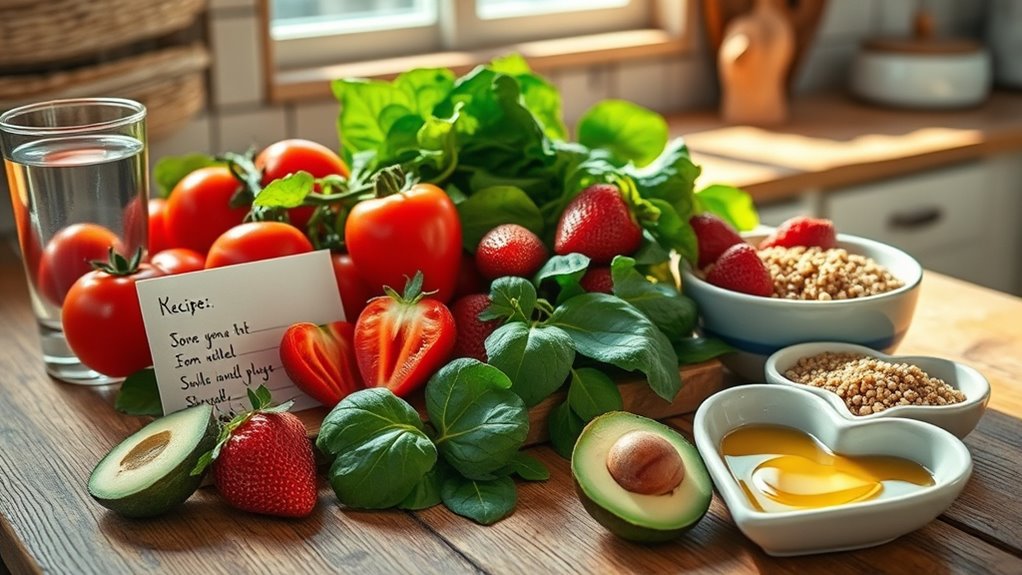
Heart-Healthy Eating starts with simple choices that add up over time. You don’t need perfection to protect your heart; steady, small shifts matter more than dramatic, one-off changes. When you look at eating this way, you’ll notice that many habits you already rely on can become heart-healthy with minimal effort. The idea isn’t to overhaul your entire diet overnight, but to make smarter defaults that stick.
Heart-healthy changes stack quietly; consistency beats perfection, everyday choices add up.
First, focus on core patterns you can sustain: whole foods, variety, and balance. Prioritize vegetables, fruits, whole grains, lean proteins, and healthy fats. You don’t have to be fancy to reap benefits—roasted vegetables, a bowl of beans and quinoa, or a simple salmon fillet with olive oil illustrate this approach. The key is consistency, not perfection. If you miss a meal or choose something indulgent, you can recalibrate at the next opportunity without guilt. This mindset supports long-term heart health and reduces stress around eating.
Practically, you can build a flexible framework rather than a rigid menu. Prepare a few staples you enjoy, then rotate them week to week. For example, keep a couple of easy staples like oats with berries, a yogurt-and-nut mix, or a quick veggie wrap. Batch-cooking and smart grocery shopping save time and prevent last-minute, less-healthy choices. When you shop, read labels with a critical eye: watch for added sugars, excessive sodium, and ultra-processed ingredients. Choose items with recognizable components and modest ingredient lists.
Snacking is a frequent hurdle, so let’s normalize simple, heart-friendly snack ideas. You can pair protein with fiber for lasting fullness, which helps control blood sugar and cholesterol levels. Think apple slices with peanut butter, a small handful of almonds and a piece of fruit, or atz of yogurt with berries and a sprinkle of flax. If you crave something savory, try hummus with carrot sticks or whole-grain crackers. The aim is to keep snacks satisfying rather than indulgent, so you’re less likely to overeat later.
Portion awareness matters, too. A heart-healthy approach doesn’t require strict calorie counting, but you’ll benefit from a sense of portion size that matches your appetite. Use intuitive cues, like stopping when you’re comfortably full, and avoid eating straight from large packages. Drinking water with meals supports fullness and reduces the chance of mistaking thirst for hunger.
Finally, tailor your plan to your life. If you travel, create portable options: a small mix of nuts, fruit, or a cottage cheese cup. If you’re busy, assemble simple, rapid meals you can reheat. You don’t need complicated recipes to support heart health; you need reliable routines that you’ll follow. By viewing eating as a set of everyday choices—heart healthy, snack ideas included—you’ll reduce risk and improve how you feel, one day at a time.
Common Questions
Can I Eat My Favorite Foods in Moderation for Heart Health?
Yes, you can enjoy your favorite foods in moderation for heart health. Aim for enjoyment without guilt, and balance flavor with smart choices: snack on fruit or nuts alongside richer options, use smaller portions, and pair high-sodium items with veggies. Focus on overall pattern, not perfection, and monitor your intake over the week. This moderation supports flavor balance, helps you stay on track, and aligns with evidence-based, practical heart-healthy eating.
Do Supplements Replace a Heart-Healthy Diet?
No, supplements don’t replace a heart-healthy diet. Think of supplements as small, cautious notes in a larger melody. If you’re considering them, prioritize supplement safety and watch for interactions with medications. Your diet vs. pills should favor foods rich in fiber, antioxidants, and healthy fats. Evidence suggests you’ll get broader benefits from balanced meals; use supplements only to fill specific gaps, not as a substitute for real, heart-smart choices.
How Much Exercise Is Enough for Heart Health?
You don’t need marathon sessions to protect your heart: aim for about 150 minutes per week of moderate-intensity activity, or 75 minutes of vigorous effort, plus two days of strength training. As you progress, you can increase intensity gradually, tracking the percentage of moderate intensity you’re achieving. Most adults benefit from increasing intensity over time while staying sustainable, balancing rest. If you’re new, start slow, build consistency, and consult a clinician if you have risk factors.
Is All Fat Bad for the Heart?
No, is fat always harmful? Not at all. Some fats protect your heart, like unsaturated fats found in olive oil, nuts, seeds, and fatty fish. The key is balance and quality, not demonizing all fat. Limit trans fats and reduce saturated fats from processed foods. Focus on types of fats, choose mostly unsaturated options, and enjoy them in moderation. Pair with fiber, veggies, and whole grains for a heart-healthy pattern.
Can Meals Be Quick and Heart-Healthy on Busy Days?
Yes—meals can be quick and heart-healthy on busy days. You can whip up nutritious, flavorful options in minutes by using quick meals and rotating simple staples. Prepped ahead items like chopped veggies, cooked beans, and lean proteins save time, so you stick to healthier choices even on rush days. Build plates with fiber, lean protein, and healthy fats, and aim for variety to keep your heart and energy levels steady.