
Improving gut health can boost your metabolic energy by shaping gut fermentation and short-chain fatty acid production, which fuel colonocytes and influence whole-body energy use. A diverse, fiber-rich diet supports microbial balance, while adequate protein and healthy fats stabilize blood sugar and insulin signaling. Consistent meals and hydration sustain nutrient delivery, and probiotics or prebiotics may offer tailored benefits. If you want to optimize energy, start with foundational gut-friendly habits and see what unfolds.
Key Points
- A balanced gut microbiome ferments fiber into short-chain fatty acids, fueling colon cells and supporting overall energy metabolism.
- Gut signaling to liver and muscle links nutrient availability with glucose production and insulin sensitivity.
- Fiber-rich diets enhance microbial diversity, stabilizing glycemia and steady energy delivery throughout the day.
- Gut barrier integrity reduces systemic inflammation that can impair mitochondrial efficiency and energy signaling.
- Probiotics and prebiotics may modestly support energy metabolism, with effects varying by individual microbiota and lifestyle factors like sleep and stress.
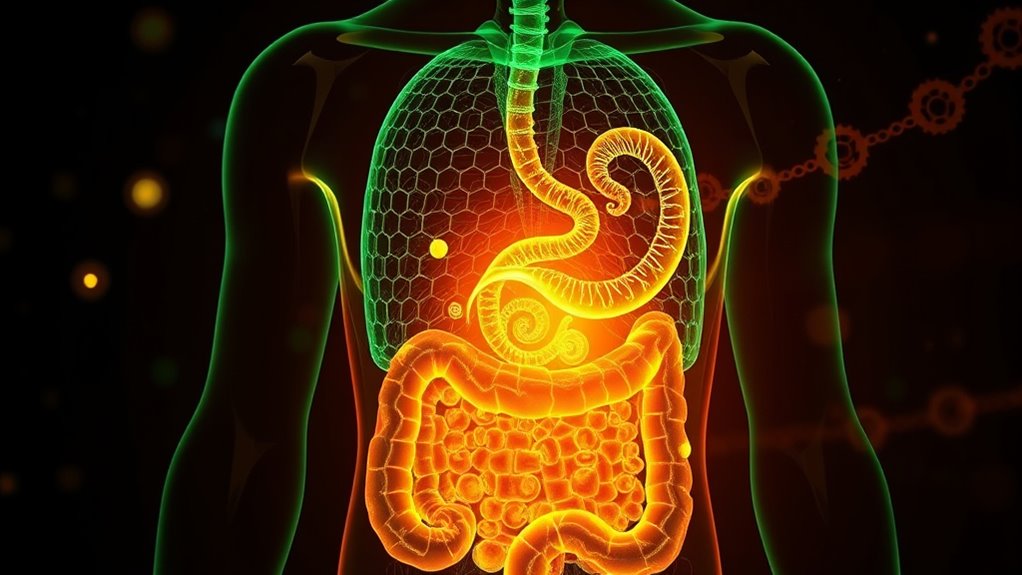
Gut health isn’t just about digestion—it’s a central driver of metabolic energy. You’ll find that what happens in your gut reverberates through your energy levels, influencing how efficiently you convert what you eat into usable fuel. The gut microbiome shapes fermentation processes, producing short-chain fatty acids like acetate, propionate, and butyrate that serve as energy substrates for colonocytes and can impact systemic energy metabolism. When you support a balanced gut microbiome, you tend to see cleaner nutrient signaling and better mitochondrial efficiency, which can translate into steadier energy rather than peaks and crashes.
Gut health drives energy, shaping how we fuel and move.
You can think of the gut as a metabolic organ with immune and endocrine intersections. Your gut lining monitors nutrient availability and communicates with liver and muscle tissue via metabolites and signaling molecules. Diets rich in diverse, fiber-containing plants support microbial diversity and the production of beneficial metabolites. In turn, those metabolites influence hepatic glucose production, lipolysis, and insulin sensitivity—key determinants of how you store, mobilize, and use energy throughout the day. By preserving gut barrier integrity, you reduce systemic inflammation that otherwise interferes with energy metabolism and endurance.
You’ll want to consider how you time and compose meals to align with your microbiome’s capabilities. Fiber fermentation by gut microbes yields short-chain fatty acids that modulate appetite hormones and energy expenditure. Adequate protein intake supports microbial communities that synthesize essential amino acids and bioactive compounds with metabolic relevance. Meanwhile, excessive ultra-processed foods and added sugars can disrupt microbial balance, shift energy substrates unfavorably, and impair energy metabolism. You’ll benefit from a consistent eating pattern that emphasizes fiber, lean protein, and healthy fats, supporting stable glycemia and sustained energy delivery.
Probiotics and prebiotics can play a role, but you should evaluate them with realism. Evidence suggests specific strains may modestly influence gut microbiome composition and inflammatory markers, which can indirectly affect energy metabolism. However, outcomes vary by individual microbiota, so you’ll monitor response rather than assume universal gains. Hydration, sleep, and stress management also intersect with gut function and energy balance. When you’re sleep-deprived or chronically stressed, gut permeability and systemic inflammation can rise, complicating energy utilization even if your dietary pattern is sound.
You’ll measure progress by looking at practical signs: steadier energy across the day, fewer GI disturbances, and improved metabolic markers where available. If you notice recurring fatigue after meals, consider evaluating postprandial glucose responses and microbiome-related factors with your clinician. In sum, supporting gut health fosters a coherent energy metabolism by shaping gut-derived metabolites, maintaining barrier integrity, and reducing inflammatory burden. Your efforts—balanced fiber intake, lean protein, healthy fats, and lifestyle consistency—can translate into clearer energy signaling and more reliable metabolic energy throughout daily activities. gut microbiome, energy metabolism.
Common Questions
Can Gut Health Affect Sleep Quality and Energy During the Day?
Yes, gut health can affect sleep quality and daytime energy. A balanced microbiome supports sleep-wake regulation via metabolites and inflammatory markers, while reduced gut permeability and better digestion can lessen nighttime discomfort. You’ll likely notice steadier energy during the day when sleep quality improves, and you may fall asleep faster with a calmer gut. Prioritize fiber, hydration, regular meals, and evidence-backed probiotics if advised by a clinician. Short-term stress reduction also helps both systems.
Do Probiotics Directly Boost Daily Caloric Burn or Metabolism?
No, probiotics don’t directly boost daily calorie burn or metabolism in a magic shortcut. Think of gut microbes as workers in a factory: some influence nutrient extraction and energy pathways, but the Calorie burn impact is modest and indirect. Probiotic mechanisms may modulate inflammation and gut signaling, potentially supporting energy handling. You’ll see effects more from overall diet, sleep, and activity than from the pills alone. Precision: evidence supports indirect benefits, not dramatic caloric انقلاب.
Which Foods Most Quickly Improve Gut Microbiome Diversity?
Quick diversity boosters include fermented foods like yogurt, kefir, sauerkraut, and kimchi, plus high-fiber options such as legumes, leafy greens, and whole grains. You’ll also benefit from polyphenol-rich foods like berries, tea, and cocoa. Foods that boost microbiome diversity work fastest when consumed consistently, not as a one-off. Aim for a varied, plant-forward pattern daily to support resilience, hydration, and gut-brain balance, with attention to fiber tolerance and added sugars.
How Long to Notice Energy Changes After Gut Health Improvements?
When you tune your gut, energy shifts can take time: usually a few days to several weeks, with delayed energy responses common. You’ll notice smoother mornings and steadier workouts as gut function improves. Individual variability matters—some respond faster, others more slowly. Start modest, track patterns, and assess overall vitality rather than single days. Changes align with microbiome shifts, improved glucose handling, and reduced inflammation, supporting metabolic energy over time.
Do Gut Issues Cause Fatigue Independent of Weight or Exercise?
Yes, gut issues can cause fatigue independent of weight or exercise. You’re affected by the fatigue mechanism: impaired gut function can disrupt nutrient absorption, inflammation, and energy production. The gut-brain axis links intestinal signals to brain fatigue, mood, and cognitive function, so symptoms may persist even with normal activity. Addressing dysbiosis, micronutrient gaps, and GI inflammation often improves energy. Track symptoms, work with a clinician, and consider targeted dietary and supplemental strategies.