
You’ve likely felt a familiar twinge when you push a little—like a signal from the body you can quiet. Light activity shifts your autonomic balance toward calm, helping venous return and stabilizing stroke volume so your heart beats more smoothly with less effort. Blood pressure often eases modestly, easing chest tightness and breathlessness, with a residual, soothing effect that lingers. Consistent, gentle movement supports these immediate benefits, inviting you to explore how small steps shape longer-term comfort.
Key Points
- Light movement boosts parasympathetic activity, easing heart rate and chest tightness quickly.
- Gentle activity improves venous return, preserving stroke volume for steadier, efficient heartbeats.
- Blood pressure modestly falls with light exercise, reducing chest discomfort, especially in deconditioned individuals.
- After the activity, reduced sympathetic drive and higher parasympathetic tone linger for minutes, aiding calm breathing.
- Regular low-intensity sessions (short walks, gentle cycling) maximize benefits safely and support autonomic stability.
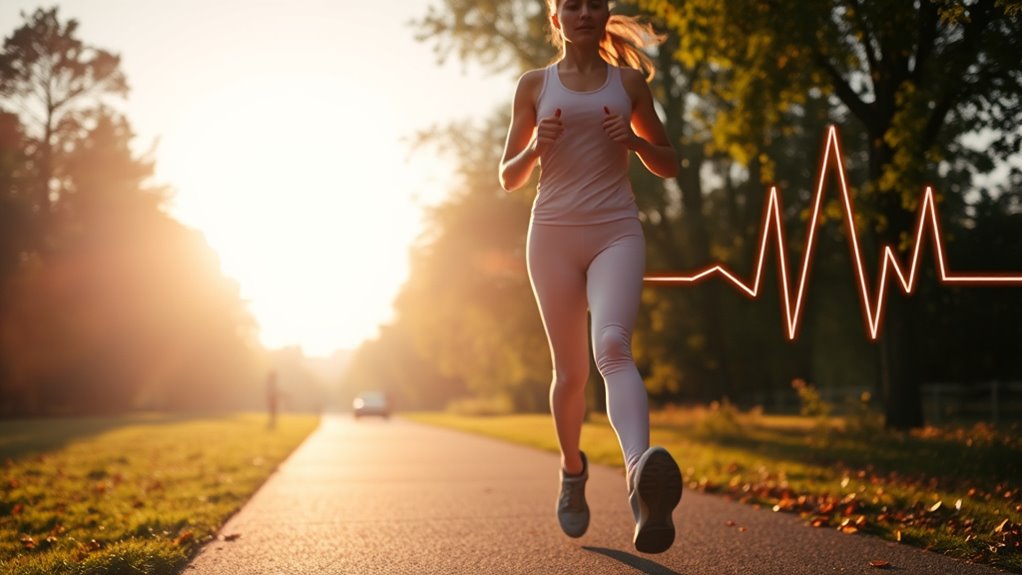
Light exercise can make your heart feel better quickly, often within minutes of starting to move. You’re not imagining the relief—light activity prompts immediate physiological changes that reduce perceived strain and improve comfort. The mind body connection means your brain’s interpretation of effort and your heart’s response are linked through autonomic pathways. When you begin moving at a gentle pace, your parasympathetic system becomes more active relative to sympathetic drive, easing heart rate and lowering vascular resistance. This shift translates to a calmer sensation in chest and chest wall, even before substantial metabolic benefits set in.
Light movement lowers heart strain within minutes, easing chest tightness through parasympathetic balance.
You’ll notice better perfusion as you continue. Light activity increases venous return, which helps maintain stroke volume without requiring heavy exertion. In practical terms, your heart doesn’t have to beat wildly to supply muscles that are already using energy efficiently. The result is a smoother, more sustainable rhythm that feels steadier rather than labored. These changes occur quickly, aligning with what clinicians observe in office-based tests and patient reports.
From a clinical standpoint, blood pressure often declines modestly during light exercise, particularly in individuals with mild elevations or those who are deconditioned. This effect contributes to the immediate sense of relief you feel in the chest and a reduction in shortness of breath or tightness. Importantly, this state is not a substitute for medical evaluation if you have chest pain, dizziness, or fainting; it’s a signal that your autonomic balance is responsive to modest activity.
The afterglow research concept helps explain why benefits persist briefly after you stop. Even after you pause, your body maintains a lingering reduction in sympathetic activity and a sustained mild increase in parasympathetic tone. That residual calm can persist for several minutes, aiding transitions back to rest or light daily tasks. You may notice prolonged ease in breathing, reduced breathlessness, and a more relaxed sense of overall energy during this window.
To optimize benefits, aim for consistency with low-intensity sessions rather than sporadic bursts. Short, frequent walks, gentle cycling, or slow yoga can produce reliable improvements in perceived heart comfort and anxiety reduction. Ensure your effort remains at a pace where conversation is easy, and you don’t feel compelled to push toward higher intensity. Hydration and a stable environment further support autonomic stability, making the heart feel steadier more quickly.
Common Questions
Can Light Exercise Improve Heart Health for Beginners?
Yes—you can improve heart health with light exercise, even as a beginner. It’s beginner friendly benefits include lower resting heart rate, improved blood pressure, and better lipid profiles, all with gentle intensity safety in mind. Start slow, aim for consistent sessions, and gradually increase duration or frequency. Your cardiovascular strain remains low if you listen to your body, hydrate, and consult a clinician if you have symptoms or risk factors. Regular activity yields meaningful, gradual gains.
How Soon After Light Exercise Can I See Benefits?
Benefits timing: you can notice subtle improvements within days, with more noticeable beginner heart improvements over weeks. In the first 2–4 weeks, resting heart rate may drop slightly and endurance rises as stroke volume trains. By 6–8 weeks, you’ll likely see clearer gains in VO2 max and recovery. Stay consistent, monitor symptoms, and progress gradually. If you have any symptoms, consult a clinician.
Is There a Risk of Dizziness During Light Workouts?
Dizziness during warmup can occur, but it’s not uncommon and often related to hydration, breathing, or sudden posture changes. You may experience post exercise lightheadedness if you stop suddenly or overexert after a light session. If symptoms persist or worsen, review recent meals, caffeine, or medication and check blood pressure. Seek medical advice if dizziness during warmup or post exercise lightheadedness recurs, suggesting dehydration, hypotension, or arrhythmia. Stay hydrated and pace your warmup.
Should I Adjust Caffeine Intake Around Light Exercise?
Yes, you should adjust caffeine timing around light exercise. If you’re sensitive, avoid caffeine too close to workouts to prevent jitters or sleep disruption; otherwise, a modest dose 30–60 minutes pre-exercise can enhance performance for some. Be mindful of caffeine withdrawal symptoms before workouts if you regularly skip caffeine. Track how timing affects you, and tailor caffeine timing and total intake to your tolerance and daily routine.
Do Women Experience Different Heart Responses to Light Exercise?
Yes, women can show different responses to light exercise due to hormonal influences. You may notice variations in heart rate, stroke volume, and perceived exertion compared with men, influenced by menstrual cycle phase, estrogen, and progesterone. Although basic mechanisms are similar, these hormonal influences can alter autonomic balance and metabolic responses. Stay consistent with light activity, monitor symptoms, and consult a clinician if you have unusual dizziness or chest discomfort.