
You might not realize that regular mindfulness can steady your blood pressure variability by boosting your parasympathetic tone and dampening abrupt sympathetic spikes. As you practice, you’ll develop a calmer autonomic response to daily stressors, improving baroreflex sensitivity and smoothing arterial load. Short, consistent sessions can yield noticeable changes in how your body handles challenge, without requiring dramatic lifestyle shifts. There’s a clear mechanism at work, and what it means for you could be more nuanced than you expect.
Key Points
- Mindfulness shifts autonomic balance toward parasympathetic activity, reducing stress reactivity and dampening sustained autonomic activation.
- It improves baroreflex sensitivity, helping buffer blood pressure elevations during daily stress and activity.
- Breathing-focused practices acutely lower blood pressure and lessen short-term variability through paced, diaphragmatic breathing.
- Reduced rumination and improved mood regulation lessen maladaptive autonomic responses to distress, smoothing arterial load fluctuations.
- Ambulatory monitoring shows mindfulness-related variability reductions; program fidelity and practice duration strengthen these effects.
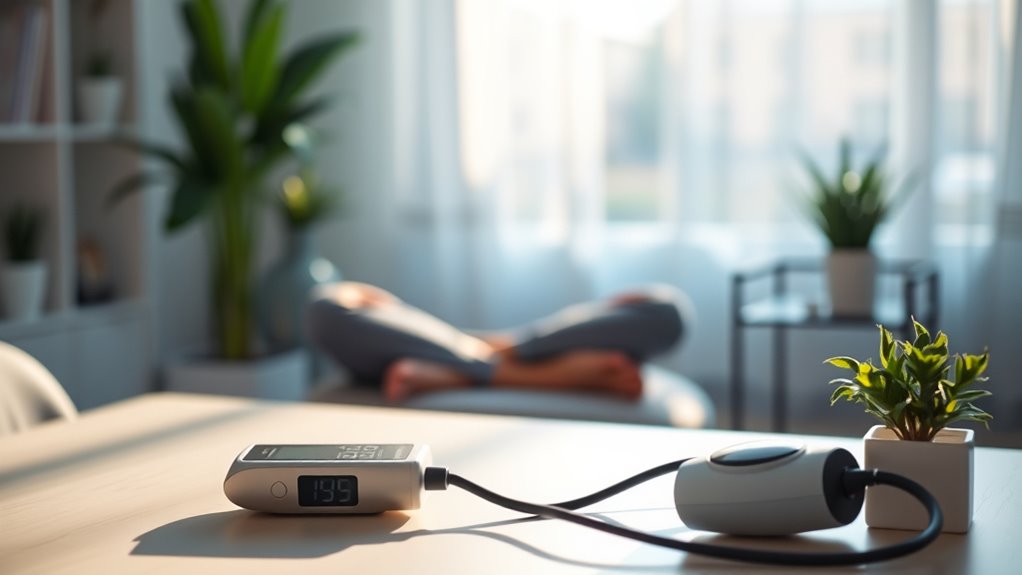
Mindfulness practices can reduce fluctuations in blood pressure by enhancing autonomic regulation and stress reactivity. You’ll approach the topic with a precise, data‑driven perspective, focusing on mechanisms, measurements, and practical implications. Blood pressure variability reflects the interplay between sympathetic arousal, baroreflex sensitivity, and vascular tone in daily life. Controlling this variability isn’t about eliminating all change, but reducing excessive swings that associate with cardiovascular risk. Mindfulness interventions aim to modify the reactivity of the autonomic nervous system to stressors, thereby stabilizing systolic and diastolic values over time. In experimental settings, you’ll see improvements in heart rate variability indices, reduced morning surges, and more consistent responses to acute challenges.
Mindfulness stabilizes blood pressure by boosting autonomic balance and reducing stress reactivity.
As you evaluate the evidence, consider study designs, populations, and outcome metrics. Randomized controlled trials and well‑designed cohort studies report modest yet consistent reductions in nocturnal and daytime blood pressure variability after structured mindfulness programs. The magnitude of change often correlates with program fidelity, participant engagement, and duration of practice. You’ll encounter measurements such as standard deviation of blood pressure, average real variability, and time‑domain metrics, each capturing different aspects of fluctuation. Technological advances, including ambulatory monitoring, enable precise assessment of day‑to‑day and hour‑to‑hour variability, strengthening conclusions about clinical relevance.
A primary mechanism you’ll encounter is autonomic regulation. Mindfulness practices promote a shift toward parasympathetic dominance in resting periods and more regulated autonomic responses to stress. This translates into moderated sympathetic bursts during provocative events and improved baroreflex sensitivity, which buffers blood pressure elevations. You’ll also note reductions in perceived stress and rumination, which dampen sustained autonomic activation. The cumulative effect is a smoother arterial load trajectory, reducing end‑organ exposure to rapid spikes and pressures.
Breathing techniques and mood regulation are central components to consider. Breathing exercises—paced respiration, slow breathing, or diaphragmatic patterns—can acutely lower blood pressure and temper variability when practiced consistently. Mood regulation mechanisms, including nonreactivity to distress and reframing of physiological signals as nonthreatening, lower the likelihood of maladaptive autonomic responses. In combination, these elements enhance self‑efficacy in managing physiological arousal, translating to more predictable blood pressure patterns across contexts.
You’ll assess real‑world applicability by examining adherence, accessibility, and cultural relevance. Programs that integrate mindfulness into daily routines—short sessions, smartphone apps, or workplace brief practices—toster stability without imposing excessive burden. Clinically, mindfulness should complement standard care, not replace pharmacologic or lifestyle interventions. When evaluating outcomes, distinguish short‑term reductions in variability from sustained changes over months to years. Critical interpretation requires attention to baseline risk, comorbidities, and concurrent treatments. In sum, mindfulness offers a rigorous, replicable pathway to attenuate blood pressure variability by fortifying autonomic regulation and reducing stress reactivity, with breathing techniques and mood regulation as active, synergistic components.
Common Questions
Do Mindfulness Practices Require Professional Supervision to Lower BP Variability?
No, mindfulness practices don’t require professional supervision to lower blood pressure variability, though guidance can help you start safely. You can learn basic techniques, such as breath awareness and body scans, and monitor your responses over time. If you have medical or psychiatric conditions, discuss mindfulness with a clinician. They can tailor a plan, monitor outcomes, and address any adverse reactions, ensuring mindful practice supports blood pressure variability with precision and rigor.
How Long Before Mindfulness Affects Blood Pressure Variability?
You’ll likely notice changes in blood pressure variability within weeks, not hours. In studies, some individuals show reductions after about 4–8 weeks of consistent practice. Quickly after practices, you may feel calmer, but long term benefits accrue with regular sessions. You should track patterns over time, as variability can continue to improve with ongoing engagement. Keep expectations realistic, stay precise in your logs, and you’ll better gauge how mindfulness exercises influence your autonomic regulation.
Can Mindfulness Replace Medication for Hypertension Management?
Mindfulness alone cannot replace medication for hypertension. You should continue prescribed drugs while exploring mindful breathing and mood regulation as complementary tools. If you’re considering changes, discuss them with your clinician. Mindful breathing may reduce stress-related spikes, and mood regulation can support adherence and consistency. However, evidence shows medications and lifestyle strategies work best together for sustained blood pressure control, with professional guidance essential before modifying treatment.
Are There Risks or Side Effects From Mindfulness for BP Patients?
Mindfulness carries potential side effects, though they’re uncommon and usually mild. You might experience transient increases in awareness that feel uncomfortable, or brief headaches, dizziness, or sleep disturbances as you adjust. These aren’t threats to blood pressure tolerance when monitored. If symptoms persist, consult a clinician. In most cases, risks are minimal compared to benefits. Track changes, avoid overexertion, and practice with guided, evidence-based approaches to minimize mindfulness side effects.
Does Mindfulness Work Equally for All Age Groups?
Mindfulness doesn’t work exactly the same for every age group. You’ll likely see benefits in many ages, but effects can vary with development and health status. For mindful aging, you may gain sustained attention and stress regulation, while in youth resilience you might notice quicker emotional recovery. Differences arise from baseline factors, practice consistency, and comorbidities. You should tailor expectations by age, monitor responses, and integrate age-appropriate methods for consistent, rigorous outcomes.