
You can monitor your blood pressure regularly, yet a simple routine won’t tell you when danger’s near. If your numbers drift outside your usual range or spike quickly, you should pause and assess symptoms like headaches or dizziness that may accompany the change. Track with a validated cuff at the same time each day, note the systolic and diastolic values, and compare them to your baseline. When readings reach 180/120 mmHg or persist high, seek urgent medical evaluation.
Key Points
- Track readings at the same time daily using a validated device, noting systolic and diastolic values and comparing to your usual range.
- Watch for warning signs such as severe headache, dizziness, chest discomfort, shortness of breath, or blurred vision.
- Consider contributing factors like caffeine, stress, sleep quality, dehydration, and medications that can raise blood pressure.
- Apply nonpharmacologic steps: reduce sodium, exercise regularly, maintain healthy weight, limit alcohol, avoid smoking, and ensure proper cuff fit.
- Seek medical evaluation if readings exceed 180/120 mmHg with symptoms or are persistently abnormal, to assess history, secondary causes, and necessary tests.
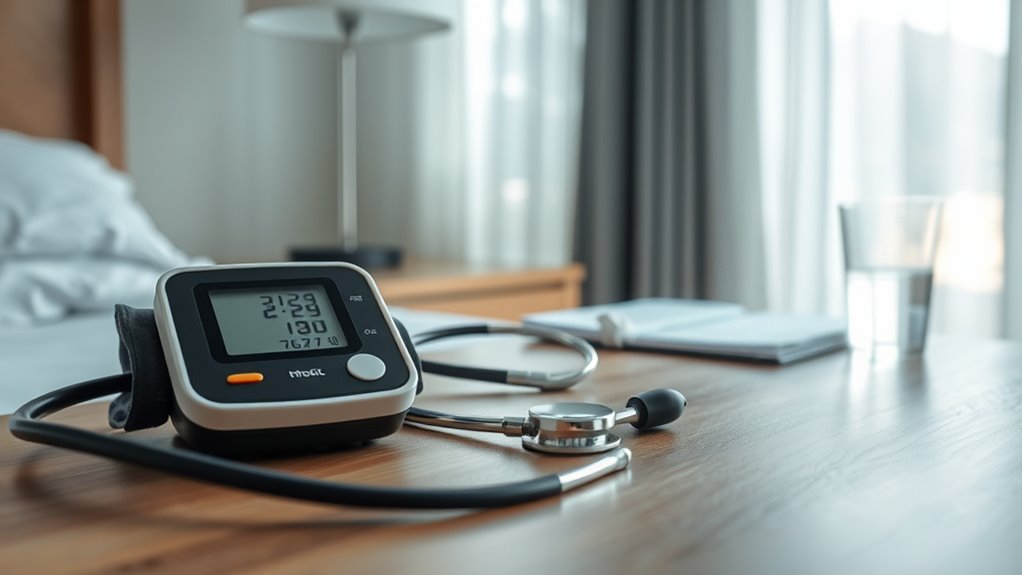
If you notice persistent or severe changes in how your blood pressure feels or reads, it’s time to pay attention. You’ll want to assess both your numbers and how you feel, because high blood pressure often hides behind normal readings. Start by tracking readings consistently, at the same time each day, using a validated device. Note systolic and diastolic values, then compare them to your usual range. If you observe sustained elevations or a rapid rise, consider it a prompt to investigate further rather than a momentary fluctuation.
Symptoms awareness matters because many people don’t feel pressure spikes, but when symptoms appear, they can signal risk. Common indicators include headaches, especially around the temples, and a sense of fullness in the head. You might notice dizziness, lightheadedness, or a pounding in your ears after a stressful episode or during activity. Nausea, blurred vision, or nosebleeds can accompany higher readings, particularly if values cross into severe territory. If you develop chest discomfort, shortness of breath, or weakness on one side of the body, treat this as an emergency. Do not delay calling for urgent medical help.
Headache, dizziness, and vision changes can signal dangerous BP spikes—seek help if severe.
If your home readings stay elevated over several days, review potential contributing factors. You’ll want to consider recent dietary changes, caffeine or alcohol intake, and stress levels. Medications, including over-the-counter stimulants or decongestants, can raise blood pressure. Sleep quality matters, too—poor sleep or untreated sleep apnea can contribute to persistent hypertension. Physical activity helps, but you should avoid strenuous exertion during sudden spikes. Hydration and electrolyte balance influence readings as well; dehydration can mimic or worsen fluctuations.
You should implement practical steps for management when readings trend upward. Start with noninvasive adjustments: reduce sodium intake, limit processed foods, and maintain a consistent exercise routine appropriate for your level of fitness. If you’re overweight, gradual weight loss can lower pressure over time. Alcohol moderation and smoking cessation improve long-term risk profiles. Ensure you’re taking any prescribed antihypertensive medications as directed, and do not alter doses without medical guidance. If you use digital devices, verify cuff fit and technique—false readings arise from incorrect cuff size or improper placement.
When to seek medical evaluation is crucial. If readings exceed 180/120 mmHg, especially with symptoms, seek immediate care. For persistent readings above your normal baseline, schedule an appointment to review your history, current medications, and possible secondary causes. Your clinician might request additional tests, such as an electrocardiogram or blood work, to assess heart, kidney, and vascular status. Family history, risk factors, and concurrent conditions inform the plan. Remember, timely recognition and action protect against complications like organ damage or stroke.
Common Questions
What Counts as a Hypertensive Crisis Requiring Urgent Care?
A hypertensive crisis requires urgent care if your blood pressure is severely elevated with symptoms like chest pain, shortness of breath, vision changes, severe headache, or confusion. If you have a systolic reading of 180 mmHg or higher or a diastolic reading of 120 mmHg or higher with these symptoms, seek emergency help immediately. Do not delay. Call emergency services or go to the nearest urgent care or ER if symptoms worsen or don’t improve after initial measures.
Can High Blood Pressure Cause Headaches Without Other Symptoms?
High blood pressure can cause headaches, but it’s not always accompanied by other symptoms. You may notice headache symptoms as a possible sign of elevated pressure, especially if it’s severe or persistent. Don’t ignore new or worsening headaches or if you suspect silent hypertension. Track blood pressure, note timing and triggers, and seek prompt medical advice to rule out urgency and prevent complications. If headaches are sudden, severe, or accompanied by confusion, seek immediate care.
Do Medications Interact With Caffeine or Alcohol to Raise BP?
Yes, medications can interact with caffeine and alcohol to raise blood pressure. You should avoid or limit caffeine-heavy drinks if you’re on certain meds, and discuss alcohol use with your clinician. Monitor for medication interactions and caffeine effects, especially with stimulants, decongestants, or antidepressants. If you notice headaches, dizziness, or rapid heartbeat after drinking coffee or alcohol, report it promptly. Follow dosing instructions, space with meals, and seek guidance on safe caffeine limits.
How Often Should Blood Pressure Be Checked at Home?
Your home blood pressure should be checked at least once daily when starting, then 2–3 times per week once it’s stable. A simple schedule helps: measure in the morning before meds and again in the evening. Use proper technique for measurement accuracy. If readings rise above your target or vary widely, increase checks or consult a clinician. Think of it like a quick, steady pulse. Home monitoring supports ongoing management and informed treatment decisions.
When Is It Safe to Resume Exercise After High Readings?
You should not resume exercise until your readings normalize and your clinician approves. Resume exercise after high readings only under guided, gradual advancement. Start with light activity, monitor blood pressure 30 minutes after finishing, and watch for dizziness, chest pain, or extreme fatigue. Follow safe exercise guidelines: avoid intense sprints, stay hydrated, and scale duration by symptoms. If values remain elevated or symptoms recur, pause and contact your provider for a tailored plan.