
When circulation slows, your fingers feel cold because less warm blood reaches the distant tissues. Blood vessels constrict to preserve core heat, prioritizing essential organs, so your hands lose heat faster than they can generate it. This response is usually reversible with warming or movement, but repeated or severe slowing may hint at underlying vascular or neurologic factors. Understanding this balance helps you recognize when cold fingers are normal versus a sign to seek evaluation.
Key Points
- Cold fingers occur when blood flow to the extremities slows, reducing warmth, oxygen, and nutrients reaching the hands.
- The body constricts peripheral vessels to protect core temperature, prioritizing vital organs during cold or stress.
- Cold exposure and slower circulation impair fine motor control, grip strength, and tactile sensation in the fingers.
- Factors like smoking, caffeine, certain meds, and conditions such as Raynaud’s or diabetes influence peripheral circulation.
- Persistent or unusual cold hands warrant medical evaluation to rule out vascular or neurologic issues.
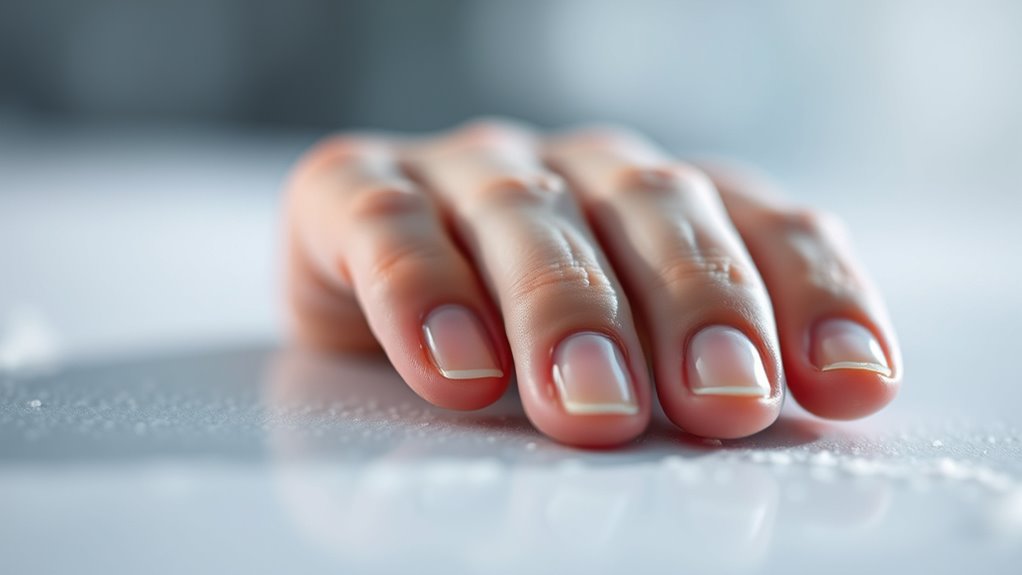
When blood flow slows, your fingers can feel the chill because with less circulation, they receive fewer warm nutrients and oxygen. Cold hands aren’t just uncomfortable; they signal changes in how your body prioritizes heat and vital organs. In healthy adults, peripheral vessels constrict in response to cold or stress, reducing blood flow to the fingers to preserve core temperature. This protective mechanism is well-documented and usually reversible with quick warming or activity.
When circulation slows, fingers chill as the body protects core heat.
You’ll notice that fine motor tasks become harder when your hands are cold. Grasp strength can drop, and dexterity may blur, because muscles and nerves operate more sluggishly at lower temperatures. In addition, the temperature difference between skin and surrounding tissue alters surface sensation, making textures and joints feel stiff. If you’re regularly experiencing cold hands in warm environments, consider whether vasoconstriction is overactive or if another factor, such as low ambient humidity or dehydration, is contributing.
Evidence shows that several common triggers influence circulationto the extremities. Repeated exposure to cold, smoking, caffeine, and certain medications can narrow peripheral arteries. Chronic conditions—like diabetes, Raynaud’s phenomenon, or peripheral artery disease—alter normal blood flow patterns and increase the likelihood of persistent cold hands. If you notice color changes, numbness, or pain beyond brief exposure, you should discuss these symptoms with a clinician, because they may indicate a more serious issue requiring evaluation.
To assess whether your cold hands are primarily due to lifestyle or an underlying condition, track patterns over time. Note the ambient temperature, recent activity, caffeine or nicotine use, and whether symptoms occur in the morning or after meals. Laboratory or noninvasive tests, such as a Doppler ultrasound, can measure blood flow in the fingers and identify arterial narrowing or flow irregularities. For many people, simple measures improve symptoms: warming strategies, stress management, and improving cardiovascular risk factors like blood pressure, lipid levels, and glucose control. Maintaining hydration and engaging in regular moderate exercise enhance overall circulation and may lessen frequency and severity of cold hands.
When you’re trying to manage cold hands, tailor strategies to your triggers. If cold exposure is the main driver, layer clothing, use hand warmers, and keep environments at a comfortable temperature. If symptoms occur with exertion or at rest, seek medical guidance to rule out vascular or neurologic causes. In sum, cold hands reflect dynamic body processes designed to protect core heat, but persistent or troublesome cases deserve a careful evaluation. For quick reference, you can search “cold hands” and “circulationfaq” to compare patient experiences and clinician recommendations.
Common Questions
Can Cold Fingers Affect Sleep Quality or Dreams?
Cold fingers can impact sleep quality and dreams, though effects vary. You might notice lighter sleep or more awakenings if your hands stay cold, as your body uses energy to warm them. Cold sleep can also sharpen dream recall for some, while others report more vivid or unsettling dreams from discomfort. Keep your hands warm on the nightstand, and your overall sleep environment steady, to support smoother transitions into deeper, more restorative sleep.
Do Fingers Get Cold During High-Altitude Activities?
Yes, your fingers can get cold during high-altitude activities. At high altitude, lower temperatures, reduced humidity, and increased cold exposure slow circulation and impair heat loss management, leading to cold fingers. You may also experience vasoconstriction from cold air and exertion, plus hypoxia affecting peripheral blood flow. To help, keep hands insulated, stay dry, minimize wind exposure, and acclimate gradually. If symptoms persist or your digits throb, seek medical advice promptly.
Can Anxiety Cause Cold Fingers Independently of Circulation?
Anxiety can contribute to cold fingers independently of overall circulation through anxiety-induced vasoconstriction. When the sympathetic nervous system activates, you may experience peripheral vasoconstriction, especially in fingers, ears, and nose. This response can lower skin temperature even if core circulation remains adequate. However, the effect varies by individual and context. If symptoms persist or worsen, consider evaluating for other causes and consult a clinician about anxiety-induced vasoconstriction and strategies to calm sympathetic activation.
Are Cold Fingers a Sign of Nerve Damage?
No, cold fingers aren’t automatically a sign of nerve damage. Cold fingers can reflect circulation issues or ambient temperature, while neuropathy symptoms usually include numbness, tingling, or burning. If you notice persistent cold fingers with ongoing numbness or weakness, it’s wise to check nerve signals and vascular health with a clinician. Early evaluation helps distinguish circulation issues from neuropathy symptoms and guides appropriate testing and treatment. Seek care if symptoms worsen or don’t improve.
Do Medications Influence Finger Temperature or Blood Flow?
Did you know that about 1 in 4 people report noticeable changes in finger warmth with certain meds? Yes—medication effects can influence your blood flow. Some drugs constrict vessels, others dilate them, altering fingertip temperature. If you notice persistent cold or numbness after starting a medicine, discuss options with your clinician. You should monitor symptoms, consider alternatives, and never adjust dosages alone. Your blood flow impact depends on the specific medication and your health context.