
Does the idea that green vegetables can meaningfully balance blood pressure hold up under evidence, or is it more myth than medicine? You’re likely to benefit from their nutrients—potassium, magnesium, fiber, and nitrates—that work together to counter sodium, support vessel function, and promote fullness. Consistency matters, as does pairing greens with whole grains and lean proteins for sustained effects. The connection is practical and doable, but the full picture depends on your everyday choices and overall dietary pattern.
Key Points
- Green vegetables provide potassium that helps balance sodium’s effect on blood pressure.
- Nitrates in greens convert to nitric oxide, relaxing and widening blood vessels.
- High fiber in greens supports metabolic health and weight management, benefiting blood pressure.
- Magnesium in greens contributes to normal vessel function and circulation.
- Benefits arise from overall dietary pattern, not a single nutrient, emphasizing plant-forward, whole-food choices.
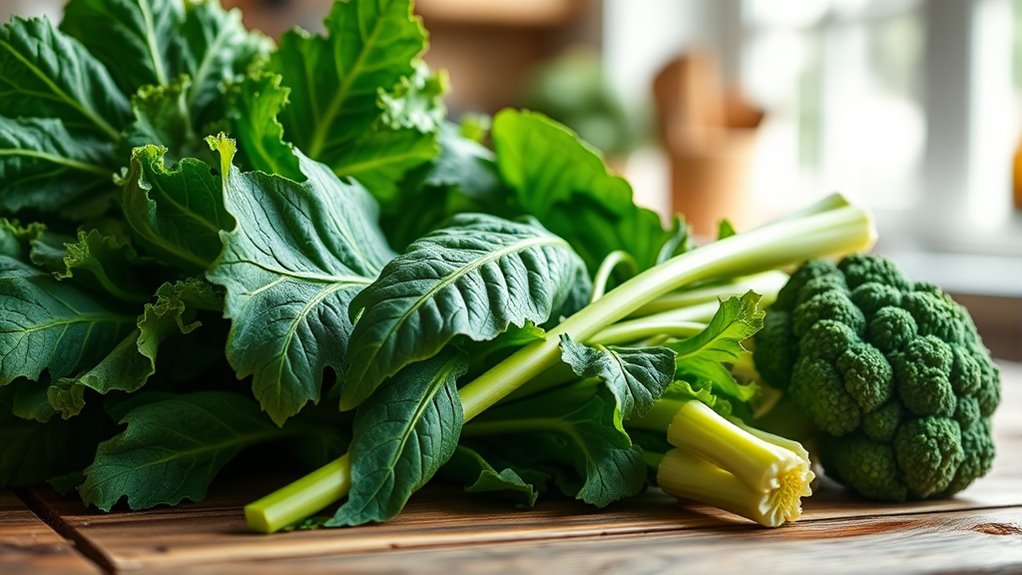
Eating green vegetables can play a key role in keeping blood pressure in a healthy range, thanks to their rich mix of potassium, nitrates, fiber, and magnesium. You’re likely here because you want practical, evidence-based steps you can take to support your blood pressure without feeling deprived. This topic centers on green vegetables as a foundation of a blood pressure balanced diet, not a quick fix. You’ll notice that the benefits aren’t about a single nutrient or a miracle food, but about how a pattern of choices adds up over time to support vascular function and overall heart health.
Eating green vegetables supports healthy blood pressure through a steady, plant-forward pattern.
When you think about vegetable benefits, you’re really looking at a package deal: low energy density, high nutrient density, and versatility. Green vegetables deliver potassium, which helps balance sodium’s effects on blood pressure, and they provide nitrates that the body converts into nitric oxide, a molecule that relaxes blood vessels. You’ll also get fiber that supports metabolic health and magnesium that contributes to normal vessel function. With these nutrients, you don’t need dramatic changes; you just introduce consistent, real-food choices into meals and snacks.
Your approach can be simple and practical. Start by incorporating a serving of leafy greens or other green vegetables with most meals. Toss spinach into smoothies, sauté kale with olive oil, or add broccoli to stir-fries. The key is consistency, not perfection, so choose forms you actually enjoy. If you’re tracking progress, note how you feel after meals rich in green vegetables: steadier energy, fewer cravings for refined foods, and a sense of fullness that helps you manage portions. This aligns with a blood pressure balanced diet that emphasizes whole foods, plant-forward patterns, and mindful eating.
From a nutrition-focused perspective, you benefit most when you pair green vegetables with a variety of other nutrient-dense foods rather than relying on a single item. Combine them with whole grains, lean proteins, and healthy fats to maximize satiety and nutrient synergy. For example, a quinoa bowl with sautéed greens and beans delivers potassium, fiber, and plant-based protein in one balanced package. You’ll also optimize vegetable benefits by choosing fresh, frozen, or minimally processed options to minimize sodium exposure and preserve nutrients.
If you have specific health goals or medications, discuss your plan with a clinician or registered dietitian. Let them tailor recommendations to your unique needs, ensuring your green vegetables fit your overall dietary pattern, activity level, and medications. In practice, your daily routine can incorporate multiple, small adjustments that collectively support stable blood pressure and long-term wellness.
Common Questions
Do Greens Affect Medication for High Blood Pressure?
Yes, greens can interact with certain blood pressure meds, so timing matters. If you take ACE inhibitors or diuretics, greens interaction could alter potassium levels or drug absorption. Check your medication timing and spacing with meals, and don’t adjust doses yourself. Track your blood pressure closely, and report any lightheadedness or weakness. A clinician can tailor guidance on greens intake, timing, and possible supplements to minimize greens interaction while maintaining effective therapy.
Which Green Vegetables Raise Potassium Safely?
You can enjoy many leafy greens safely for potassium, but you should monitor portions to stay within your needs. Potassium safety matters, especially if you’re on meds or have kidney concerns. Focus on leafy greens like spinach, kale, and Swiss chard in moderate amounts, and pair them with varied vegetables. Track your intake, discuss targets with your clinician, and choose low-sodium prep to support balanced blood pressure and overall nutrition.
How Much Greens per Day Improves BP?
Your daily greens intake that supports BP balance varies, but aim for about 4–6 cups of leafy greens per week in addition to other vegetables. For most adults, a practical target is roughly 1 cup cooked or 2 cups raw per day, totaling around 7–14 cups weekly. This daily amount helps potassium and nitrate intake while fitting common dietary patterns. Track your greens intake and adjust as you monitor blood pressure with your clinician.
Are Frozen Greens as Effective as Fresh for BP?
Sure—frozen greens are typically as effective as fresh for blood pressure, since nutrients like potassium remain well-preserved; you’ll still get potassium safety benefits when you balance intake. You’d be surprised, but textures aside, frozen greens can fit your plan. In practice, you’re advised to include a variety of greens, monitor portions, and pair with lean protein. If you’re unsure, consult your clinician to tailor servings for your BP goals.
Do Greens Reduce Blood Pressure Quickly or Gradually?
Greens can lower blood pressure gradually rather than instantly. You’ll likely notice a steady impact over days to weeks as your overall diet improves, potassium and nitrates work together to relax vessels and support fluid balance. The speed of lowering depends on consistency, weight, activity, and meds. For quickest benefit, pair greens with whole foods, limit sodium, and follow medical guidance. Greens impact your BP over time, not a rapid, one-meal fix.