
You picture a steady stream of energy flowing through you, not a sudden drop to a mid‑afternoon slump. When you sip regularly, your blood volume stays steadier, supporting constant oxygen delivery and nutrient transport to your brain and muscles. This keeps cognitive processing sharp and reaction times consistent, especially after lunch. Small, frequent sips also blunt dips if you pair them with a light snack and electrolytes, helping you stay on track as tasks pile up, unless you…
Key Points
- Consistent hydration maintains blood volume, ensuring steady oxygen and nutrient delivery to brain and muscles, reducing energy fluctuations in the afternoon.
- Regular sipping supports stable cognitive processing and reaction time, preventing fatigue-driven slowdowns after midday.
- Hydration helps regulate body temperature and heat dissipation, which minimizes post-lunch energy dips and fatigue.
- Pairing water with small snacks and electrolytes stabilizes glucose and electrolyte balance, blunting mid-afternoon slumps.
- A predictable hydration cadence reduces reliance on caffeine as a quick fix, promoting steadier energy across the second half of the day.
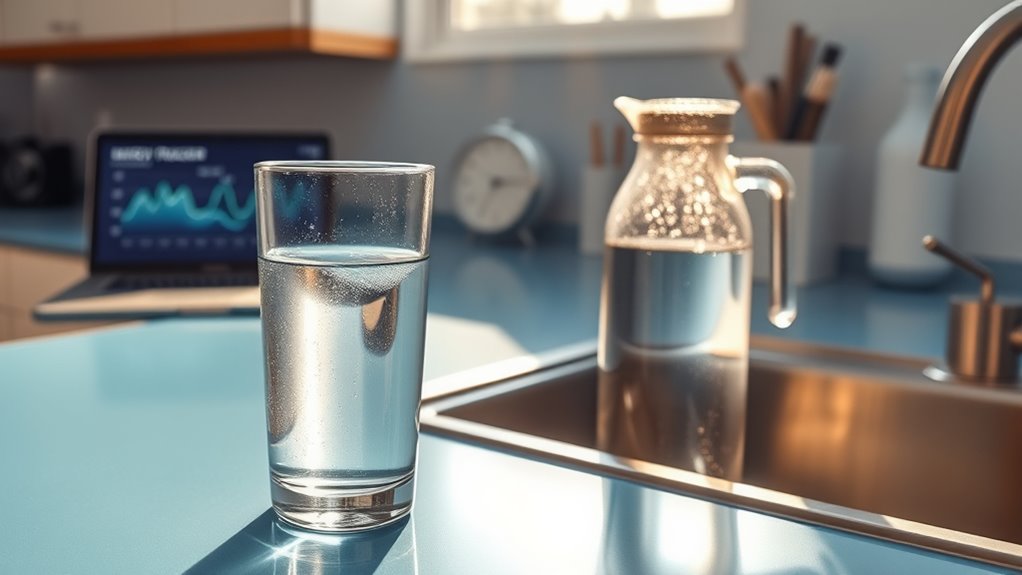
Ever wondered why a simple sip can chase away that mid-afternoon slump? You’re about to learn how consistent hydration supports steady performance, clarity, and mood through the second half of your day. The core idea is straightforward: water availability inside your cells governs volume, circulation, and virtually every metabolic process. When you’re adequately hydrated, you maintain blood volume, which preserves oxygen delivery and nutrient transport to your brain and muscles. That means fewer micro-fluctuations in energy and reaction time, and less reliance on caffeine as a quick fix.
Ever wondered why a simple sip can curb the mid-afternoon slump and sustain steady energy.
You’ll want to think in practical terms about intake patterns, not just total daily ounces. Hydration science shows that sipping at regular intervals prevents the warning signs of dehydration—thirst, dry mouth, and fatigue that creep in as you sit through meetings or complete tasks. Aim for small, consistent amounts across the day rather than large, sporadic drinks. A balanced approach helps your kidneys regulate fluid balance and electrolyte concentrations, which keeps your cellular engines running smoothly. Tea, coffee, and flavored waters count toward hydration, but water remains the most reliable baseline for keeping afternoon energy stable when you’re chasing precision.
Your body signals readiness or fatigue through subtle cues, and recognizing them helps you act before performance declines. Lightheadedness, slower cognitive processing, and yawning aren’t just innocent side effects; they reflect shifts in hydration status and energy supply at the cellular level. If you notice these signs, reset by sipping water and pairing it with a small, balanced snack that contains glucose and electrolytes. This pairing can blunt the dip you experience after lunch and maintain a steadier state of alertness.
In practice, you can structure a hydration routine that directly supports your workday. Start with a glass on waking, then place a reminder near your desk every 60 to 90 minutes. Track intake in a simple log to identify gaps—this is where hydration science translates into behavior. Aim for a predictable cadence rather than chasing thirst. If you exercise, you’ll replace both fluids and electrolytes lost through sweat; a moderate electrolyte drink or salted snack around your session can prevent post-exercise dips in afternoon energy. Ensure you’re pre-hydrated before meetings or deadlines that demand cognitive rigor or steady steady-hand performance.
Finally, understand that hydration is not a single action but a habit that interacts with your sleep, meals, and activity. Consistency matters more than intensity. By maintaining fluid balance, you support stable blood volume, efficient heat dissipation, and reliable cerebral function. Your productivity, mood, and afternoon energy will reflect that disciplined pattern, making hydration a practical, evidence-based pillar of daily performance.
Common Questions
Do Electrolytes Help With Hydration Fatigue?
Yes, electrolytes help with hydration fatigue. They support electrolyte balance, aiding fluid retention and nerve-muscle function when your hydration timing isn’t optimal. In practice, if you’re sweating a lot or active, include a small amount of electrolytes with water to maintain volume and reduce cramping or dizziness. For most days, plain water suffices, but consider a light electrolyte mix during prolonged workouts or heat exposure to sustain performance.
How Much Water Qualifies as Consistent Intake?
Rhetorical device: anaphora at the start—you measure, you schedule, you hydrate consistently. For a consistent intake, aim for roughly 2–3 liters daily for adults, adjusted to body size, activity, and climate. Spread water timing evenly: sip every 2–3 hours, and drink before, during, and after workouts. Your hydration routine should include steady small amounts rather than large gulps. Monitor urine color as a practical indicator and tweak intake accordingly.
Can Tea or Coffee Affect Hydration Fatigue?
Yes, tea and coffee can affect hydration fatigue, but don’t derail it. Tea hydration mostly counts toward your daily fluid intake, though caffeine may slightly increase urine output. Coffee impact depends on your sensitivity and total caffeine; moderate amounts don’t cause full dehydration for most people. To stay steady, balance with water, monitor how you feel, and adjust timing around workouts or long meetings. Prioritize consistent intake, note tea hydration and coffee impact on energy.
Does Workplace Hydration Reduce Afternoon Slump?
Yes, workplace hydration reduces afternoon slump. Juxtapose alert energy with creeping fatigue to show the contrast you feel when hydration timing aligns with needs. You’ll notice sharper focus and steadier mood when you meet hydration cues, not just sip sporadically. Make it routine: sip at set intervals, track intake, and adjust for activity. Precision matters—hydration timing supports cognitive sharpness, physical stamina, and overall productivity, turning fatigue into steady, work-ready momentum.
What Signs Indicate Dehydration Fatigue Early?
You’ll recognize dehydration fatigue early through fatigue indicators like brain fog, headaches, dry mouth, and reduced alertness. Look for subtle changes in concentration, slower reaction times, and mood swings. Hydration cues include dark urine, thirst, dry skin, and reduced sweating during activity. If you notice these signs before your usual slump, drink water, and recheck your hydration status. Persistent symptoms warrant a quick check of fluid intake, electrolyte balance, and possible medical causes.