
You may notice that your blood pressure patterns shift more quietly when you pause and focus on breath and body. In practice, deliberate attention and slow breathing dampen autonomic fluctuations, nudging your sympathetic arousal toward balance and moderating the HPA axis over time. You’ll feel steadier across daily transitions as baroreceptor sensitivity improves and nocturnal dipping stabilizes, but the implications for your routine and long-term risks await your next steps.
Key Points
- Meditation modulates autonomic function, increasing parasympathetic activity and dampening sympathetic arousal to reduce BP fluctuations.
- It lowers circulating stress hormones, moderating HPA axis activity and smoother BP responses to daily stressors.
- Regular practice improves baroreceptor sensitivity, aligning BP with posture and activity for steadier trajectories.
- Both short daily and longer sessions build gradual autonomic and vascular adaptations, reducing peak spikes over weeks.
- Tracking practice, sleep, and lifestyle enhances consistency, amplifying BP stability during transitions like waking and caffeine intake.
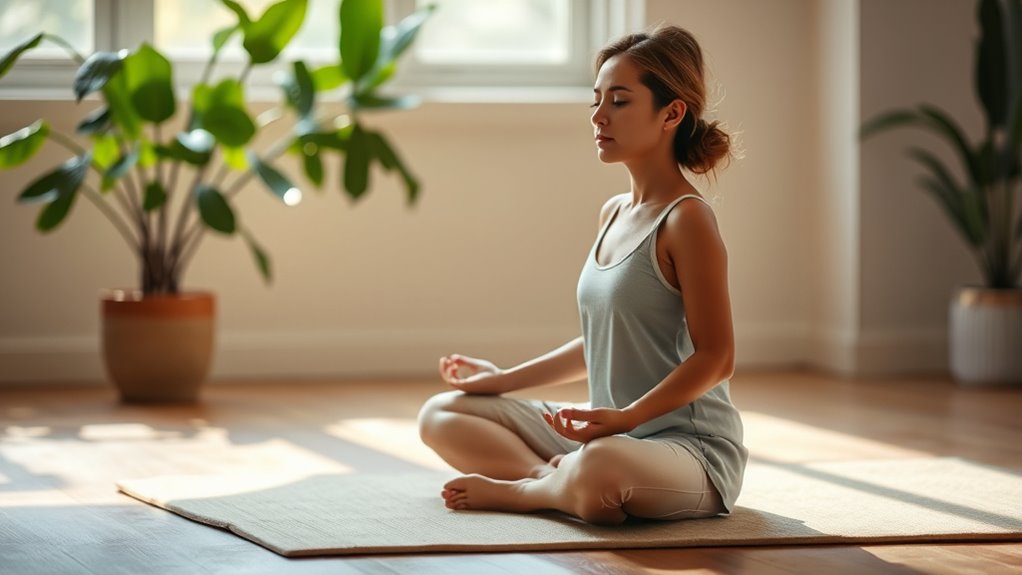
Managing blood pressure swings is transition for reducing cardiovascular risk, and meditation offers a practical, evidence-based approach. You might wonder how stillness translates into measurable change. In this context, meditation mechanisms refer to how deliberate attention, breathing, and sensory focus modulate autonomic function, neuroendocrine activity, and vascular tone. Over weeks, you can expect incremental shifts in how your body responds to stressors that previously produced abrupt BP excursions. You’ll learn to observe fluctuations without automatic reactivity, which is the first step toward stability.
Cultivating calm through mindful breathing and awareness to soften blood pressure spikes.
From a physiological standpoint, meditation engages parasympathetic pathways and dampens sympathetic arousal. This shift reduces heart rate variability with a favorable profile, lowers circulating catecholamines during daily stressors, and moderates the hypothalamic-pituitary-adrenal axis. When applied consistently, these mechanisms contribute to smoother blood pressure trajectories across the day, especially during transitions such as waking, caffeine intake, or exercise. You’re not erasing triggers, but you’re reducing the amplitude of your bodily responses to them.
Blood pressure regulation benefits emerge through multiple, interacting processes. With regular practice, you can improve baroreceptor sensitivity, which helps align BP with position, activity, and posture. Enhanced autonomic balance supports more stable nocturnal dipping patterns, a marker linked to cardiovascular risk. In practical terms, this means fewer sharp spikes during stress, better maintenance of baseline pressures, and a more predictable response to routine activities. You’ll notice that the person you become in moments of pressure—your breath, focus, and posture—contributes to a calmer hemodynamic state.
The evidence base supports short daily sessions and longer, introspective practices across populations with diverse baseline pressures. You don’t need perfect technique to gain benefit, but consistency matters. Aim for a minimum of several weeks to observe meaningful change, while recognizing that improvements accumulate over months for some individuals. You’ll monitor progress through simple metrics: home BP readings, sleep quality, and daytime alertness. When readings remain high, you’ll re-evaluate timing, duration, and technique, ensuring the practice remains tolerable and sustainable.
In practice, you’ll integrate a behavioral framework that reinforces sustained engagement. You’ll choose a modality that emphasizes breath, body awareness, or open monitoring, then standardize a daily routine. You’ll maintain a log of stressors, responses, and BP readings to contextualize trends. The goal isn’t perfection but reduced variability: smaller high-peak episodes and quicker returns to baseline after perturbations. If you combine meditation with other lifestyle measures—adequate sleep, balanced salt intake, alcohol moderation—you magnify blood pressure regulation benefits and support long-term cardiovascular health.
Common Questions
Can Meditation Replace Medical Treatment for High Blood Pressure?
No, meditation can’t replace medical treatment for high blood pressure. It’s a complementary approach, aiding blood pressure management alongside proven therapies. You should continue prescribed meds, monitor with your clinician, and discuss integrating meditation vs medication with them. Evidence suggests mindfulness and breath practices may modestly lower BP and reduce stress, but they’re not a substitute for antihypertensive drugs when indicated. Prioritize individualized care, adherence, and regular follow-up to optimize outcomes.
How Long Must I Meditate Daily to See Changes?
Yes—start with a daily duration of 10 to 20 minutes, most days, and you’ll likely notice gradual reductions over weeks. You should treat it as a time commitment, not a one-off experiment. Consistency matters more than long sessions; in practice, aim for a stable daily routine. If you’re new, begin with 5 minutes and increase. Track changes in resting heart rate and perceived stress to gauge progress, alongside medical guidance.
Is Mindfulness Meditation Better Than Other Types for BP?
Mindfulness meditation often shows comparable blood pressure benefits to other meditation types in clinically oriented studies. You may see modest reductions similar to focused or transcendental practices, depending on adherence and baseline risk. Overall mindfulness efficacy appears solid, but the evidence isn’t conclusive that it’s superior. When selecting, consider your preferences, consistency, and accessibility. Emphasize consistent practice, and track changes with your clinician. Meditation types differ in mechanism, but mindfulness can be a practical, effective option.
Can Meditation Affect Heart Rate Variability in Hypertension?
Meditation can affect heart rate variability in hypertension, showing modest, clinically relevant improvements in autonomic balance. You may experience increased HRV with regular practice, reflecting better parasympathetic tone and reduced sympathetic dominance. Evidence indicates meditation benefits come from consistent sessions over weeks to months, paired with lifestyle factors. While results vary, HRV enhancement is a plausible mechanism for cardiovascular risk reduction, supporting broader meditation benefits in hypertension management. Always monitor blood pressure and consult a clinician for individualized guidance.
Are There Risks or Side Effects From Meditation Practice?
Yes, there are risks from meditation and possible side effects, though they’re generally rare. You may experience transient anxiety, increased focus on discomfort, dizziness, headaches, or sleep disruption as you start. Some individuals with trauma histories might relapse or feel unsettled. If you have unmanaged hypertension, cardiovascular disease, or psychiatric illness, monitor closely and consult a clinician before intensive practice. Gradual pacing, guided instruction, and mindfulness-based adjustments can minimize side effects and support safe, evidence-informed use.