
You’re juggling a busy day with a quiet, steady routine you actually stick to. The High Blood Pressure Solution Kit fits snugly into that balance with simple, practical tools you’ll actually use—no fluff, just reliable steps you can count on. A compact cuff monitor and a plain notebook mean quick checks and quick goals, day after day, without turning your day upside down.
If you’ve been wondering how small habits add up to real change, this setup might be exactly what you need. It’s about steady progress you can track, without overhauling your whole routine.
Key Points
- A compact cuff monitor with heart-level placement and snug, comfortable fit simplifies accurate home blood pressure readings.
- Daily routines with a consistent time, light activity avoidance, and digital logs reduce guesswork and track trends effectively.
- Two-word goal ideas and simple prompts keep you focused on practical, real-life actions without jargon.
- A quiet notebook and Bluetooth-enabled device provide clear, non-overwhelming interpretation of trends over weeks.
- Small, measurable daily goals plus cue-based reminders foster steady progress and sustainable BP control.
How This Kit Transformed My Daily Routine
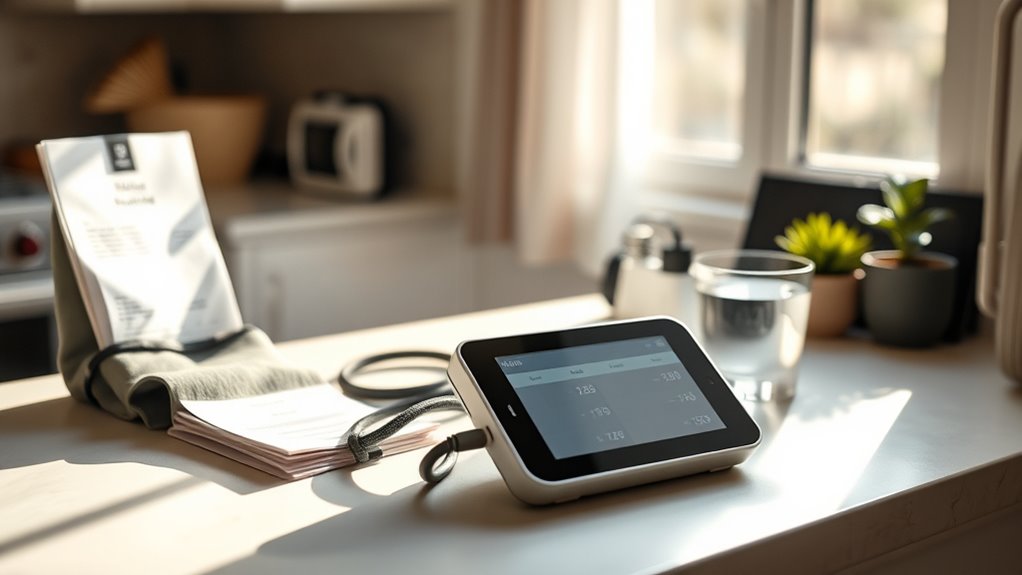
This kit changed how I handle daily routines, and it can do the same for you. You’ll notice how small changes stack up: a simple morning check, quick meal planning, and a steady rhythm that fits your schedule. The kit’s layout guides you to track numbers, not overwhelm you with charts. You gain predictable steps, less decision fatigue, and a clear path to steady blood pressure. With two word idea1, two word idea2, you can name your goals and keep them in sight. You’ll appreciate practical prompts that fit real life—no jargon, just actionable actions. Over days, consistency replaces guesswork, and you feel more in control. This approach reduces stress, supports focus, and makes daily health habits feel achievable.
The Essential Tools I Use at Home
The essential tools I use at home are simple, reliable devices that keep my blood pressure in check without adding clutter. You’ll rely on a compact cuff monitor for accurate readings, a thoughtful placement routine, and consistent timing so data stays meaningful. Digital logs help you track trends without overwhelm, and a quiet notebook supports gentle self care habits. A user‑friendly monitor with ASC or Bluetooth sync makes data interpretation straightforward, so you can see patterns at a glance. Pair readings with a dependable timer and a small, dedicated space to reduce distractions. Keep spare batteries and a clean sleeve ready, and you’ll maintain steady momentum. Clarity, precision, accessibility—this setup supports practical self care habits and clear data interpretation.
Simple Steps to Consistent Blood Pressure Monitoring
Consistency is the key to useful blood pressure data, so aim for a steady routine you can stick with. You’ll monitor at roughly the same time each day, with minimal activity first thing in the morning or after a short rest. Use a validated device, positioned at heart level, and secure the cuff snugly without constriction. Track measurements over several weeks to spot trends, not single numbers. Keep your notes simple: date, time, and reading. If you fluctuates, repeat once to confirm, then record the average. Prioritize tracking accuracy by following device prompts and avoiding caffeine or exercise right before measurement. For comfort, select a cuff size that fits snugly but isn’t tight, and adjust between sessions to maintain cuff comfort. Consistency yields meaningful insight.
Reading and Understanding My Readouts
Reading and understanding your readouts starts with a simple question: what do the numbers mean for you today? You’ll translate each value into practical meaning, not just a label. Focus on trends, not isolated figures, and use clear blood pressure terminology to guide decisions. Your readouts reveal timing, posture, and consistency, so note how changes affect readings and care steps. Reading interpretations should be direct: high/low ranges, target zones, and when to consult a professional. You’ll compare systolic versus diastolic clues to gauge overall control, and you’ll document what influenced today’s numbers for future reference.
Reading BP numbers by trend: note posture, timing, and what each value means for today’s goals.
- Know what each value represents and how it relates to your goals
- Identify patterns in readings over days and weeks
- Distinguish normal fluctuations from concerning shifts
- Use consistent posture and timing for accuracy
- Seek professional advice when readings stay outside targets
Staying Motivated With Practical, Real-Life Routines
What simple daily tweaks can keep you motivated while managing blood pressure? Set a small, specific goal each morning, like a 10-minute walk or a bottle of water before meals. Pair it with a predictable cue, such as brushing teeth to trigger your routine. Keep logs brief: note one success and one challenge, not every detail. Use practical routines that fit real life, like merging medication reminders with breakfast or a short stretch during TV breaks. Celebrate progress with non-food rewards to reinforce consistency. If a tactic stalls, swap in a simpler version rather than dropping it entirely. Stay flexible, yet disciplined: consistency over perfection. By anchoring activities to clear purposes, you stay motivated and steadily lower risk.
Common Questions
How Often Should I Recalibrate My Monitor’s Accuracy?
You should recalibrate your monitor regularly to maintain accuracy. For most home monitors, aim for recalibration frequency every 3 to 6 months, or whenever you notice a reading drift. Check against a validated reference device if possible. Keep track of your results and set reminders. Consistency matters for monitor accuracy, so don’t skip scheduled checks. If readings seem off, recalibrate sooner and contact the manufacturer for guidance. Your routine benefits from stable, precise measurements.
Can This Kit Help With White-Coat Hypertension?
White‑coat calm: yes, this kit helps with white coat management by empowering home monitoring alongside professional guidance. You’ll track readings reliably, compare clinic and home data, and spot patterns quickly. You can use consistent cuffs, proper positioning, and calibrated devices to reduce anxiety during visits. With clear records, you’ll discuss trends confidently with your clinician, optimizing treatment. This approach blends white coat management and home monitoring for safer, smarter, steadier blood pressure control.
What’s a Safe Cuff Size for Most Users?
A safe cuff size for most users is a standard adult cuff, but you should check that it fits your arm comfortably without pinching. For accuracy, use a cuff that covers about 80% of your upper arm circumference. If you’re between sizes, choose the larger. Look for a labeled safe cuff with proper cuff sizing guidance, and avoid over-tightening. Regularly verify fit and follow the device’s cuff sizing recommendations for best results.
Do Readings Vary by Time of Day or Meal?
Reading timing and meal impact do affect readings. You’ll see variations across the day due to activity, stress, and circadian rhythms, with often higher mornings and lower evenings. Meals can shift readings, especially after salty or large intakes. Track patterns to distinguish true trends from noise. Use consistent timing, avoid recent meals for several minutes before testing, and note any caffeine or alcohol. This helps you interpret what your numbers truly mean for care.
Are There Any False Alarms I Should Expect?
Yes, you can get false alarms, often from improper cuff sizing or movement during measurement. Make sure the cuff fits snugly and is level with your heart, not too tight or loose. Sit quietly for a few minutes before reading, and avoid talking. If readings vary, check cuff sizing and recheck. Consistent symptoms aside, rely on multiple, paired readings to confirm trends rather than a single result.
All Together
You’ll find that this kit turns chaos into rhythm. With a compact cuff and a quiet notebook, you’ll log daily checks and tiny two-word goals, creating steady momentum. One striking stat: most users notice clearer trends after just two weeks, a visual arrow of progress you can trust. Readouts translate into simple actions, not confusion. Stay consistent, lean on routine cues, and watch confidence grow as measurements become meaningful milestones you actually hit.
Take control of your health today by embracing the routine this kit makes effortless. You’ll feel more in charge, see steady momentum, and gain the clarity to keep moving forward with confidence. Ready to turn daily checks into lasting changes?