
You’re not imagining it: lasting blood sugar balance isn’t about a single pill. It’s about steady choices that fit your day, from meals to activity to timing. Vitralabs Blood Sugar is designed to support smoother glucose flux and better alignment with your body’s hepatic needs, especially when you pair it with fiber, consistent meals, and regular movement.
Think of it as a helper, not a magic fix. The cinnamon and magnesium hints can support insulin sensitivity, but the real win comes from practical routines you can keep—eating steady, staying active, and listening to your body’s cues. If you’re looking for a way to anchor long-term control without chasing quick fixes, this might be a piece of the puzzle.
Key Points
- Vitralabs Blood Sugar supports steady glucose flux and reduces post-meal excursions through targeted glucose handling pathways.
- It enhances hepatic glucose production alignment with demand, aiding long-term glycemic stability.
- Ingredient synergy (cinnamon and magnesium) may improve insulin sensitivity and metabolic flexibility when paired with fiber and balanced meals.
- Daily use pairs with consistent timing, tracking intake and immediate effects to monitor glucose response.
- Real-world goals emphasize gradual reductions in variability and fewer spikes over weeks to months.
Understanding Blood Sugar Stability and Why It Matters

Maintaining steady blood sugar means keeping your glucose levels within a healthy range most of the time, rather than letting them spike or crash. You experience stability when your body can respond predictably to food and activity, reducing extreme highs and lows. Glucose variability reflects these fluctuations; lower variability is linked to better metabolic control and fewer complications over the long term. Meal timing influences this pattern because the cadence of meals affects insulin response and glucose uptake. Consistent portion sizes, balanced macronutrients, and regular eating windows help dampen peaks after meals and prevent prolonged lows. Practical strategies include pairing carbohydrates with protein or fiber, and avoiding large late-night meals. By prioritizing consistency, you support reliable energy, mood, and metabolic health.
How Vitralabs Blood Sugar Supports Glucose Metabolism
How does Vitralabs Blood Sugar support glucose metabolism? You’ll see how the formula integrates and modulates glucose handling through targeted pathways, supporting steady energy without spikes. The product emphasizes efficient glucose sourcing from dietary intake and internal stores, helping cells access fuel when needed. It also supports liver signaling, helping hepatic pathways respond to varying nutrient loads and maintain balanced blood sugar. Together, these actions promote steady glucose flux and reduce excursions after meals. By stabilizing signaling cues, you’ll experience clearer metabolic timing and improved substrate utilization.
- Supports glucose sourcing by optimizing availability from meals
- Enhances liver signaling to align hepatic glucose production with demand
- Promotes steady postprandial glucose responses
- Facilitates balanced hepatic glycogen dynamics
- Encourages efficient cellular energy use and substrate flexibility
Key Ingredients and Their Roles in Insulin Sensitivity
You’ll see how cinnamon may influence insulin sensitivity by helping improve glucose uptake in cells. Magnesium also plays a role by supporting normal insulin action and metabolic responses. Together, these ingredients point to targeted ways Vitralabs Blood Sugar could support steadier long-term glucose control.
Cinnamon and Insulin
Cinnamon’s role in insulin sensitivity is supported by studies showing its potential to improve glucose uptake and reduce insulin resistance in some individuals. You may notice modest daytime glucose reductions when included in meals, but results vary by person and dose. The active compounds appear to influence insulin signaling and antioxidant pathways, potentially supporting better blood sugar management over time. Keep expectations realistic, as cinnamon is an adjunct, not a sole fix, and quality matters. When selecting cinnamon, prefer Ceylon or Saigon varieties with lower coumarin content to minimize risk. Pair with balanced meals, fiber, and physical activity for best results. cinnamon insulin may contribute, but blood sugar control depends on overall lifestyle.
- Shows potential for improved glucose uptake
- May reduce insulin resistance in some individuals
- Varies by dose and individual response
- Emphasizes quality and type of cinnamon
- Complements broader lifestyle strategies
Magnesium and Response
Magnesium plays a pivotal role in insulin sensitivity and glucose metabolism, influencing how efficiently your body uses insulin to shuttle sugar into cells. You’ll notice that magnesium supports proper insulin signaling, supporting enzyme activity and receptor function that modulate uptake. Inadequate magnesium is linked to impaired glucose tolerance and higher fasting glucose, while adequate levels improve metabolic flexibility and response to dietary carbs. Practical timing matters: magnesium timing around meals may assist postprandial handling and smooth energy release. Evidence supports 1) adequate intake to optimize insulin signaling pathways, and 2) potential benefits when combined with other nutrients. Prioritize balanced sources and consider supplementation if needed, under guidance. Magnesium timing matters for stability; your body benefits from consistent, targeted intake.
The Science Behind Long-Term Glycemic Control

Glycemic stability depends on coordinated regulatory mechanisms that maintain blood glucose within a healthy range over time. You’ll see how long-term control is shaped by factors like metabolic regulation, insulin sensitivity, and behavioral influences that influence daily glucose patterns. This section introduces the key ideas behind sustained glucose management, setting the stage for evidence-based insights on how stability is achieved.
Glycemic Stability Mechanisms
How do the body’s regulatory systems work together to keep blood glucose levels steady over time? You rely on coordinated hormonal signals, hepatic glucose output, and peripheral uptake to maintain a stable glycemic baseline. Over the long term, insulin sensitivity, glucagon dynamics, and incretin effects shape defended set points, while nutrient timing and energy expenditure influence the pace of change. In this glycemic context, subtle feedback loops minimize excursions after meals and between meals, promoting metabolic pacing that reduces variability. The result is smoother postprandial responses and reduced fasting fluctuations, supporting durable control without constant adjustment.
- Redundant insulin signaling and glucose clearance
- Liver glucose production adjusted by glucagon and insulin
- Incretin hormones modulating insulin release
- Fat and muscle tissue glucose uptake contributing to stability
- Time-of-day and meal timing shaping rhythmic patterns
Long-Term Control Factors
Long-Term Control Factors are shaped by how the body adapts over days to weeks of lifestyle, hormonal signals, and organ function. You can influence these processes through consistent activity, balanced nutrition, and sleep patterns, which collectively affect insulin sensitivity and hepatic glucose production. Key long term determinants include pancreatic beta-cell reserve, renal glucose handling, and adipose tissue signaling, all modulated by dietary quality and weight trends. You’ll notice that gradual improvements in glucose management emerge as these systems re-tune themselves, rather than from single interventions. Acknowledge that stress resilience, circadian alignment, and hydration contribute to stable baseline levels over time. Informed adjustments, guided by objective metrics, help minimize fluctuations, reduce glycemic load, and support durable control, without relying on temporary strategies or oversimplified explanations. factors_typo
Metabolic Regulation Insights
Metabolic regulation lies at the heart of sustained glycemic control, integrating hormonal signals, tissue responses, and energy flux to maintain stable blood sugar over weeks and months. You learn how endocrine cues, insulin sensitivity, and hepatic glucose production interact, shaping long-term patterns rather than daily fluctuations. Evidence shows that coordinated signaling preserves beta-cell function and modulates lipid-leaning pathways, supporting steady glucose disposal. You evaluate how lifestyle, pharmacology, and nutrient timing converge to minimize variability and reduce relapse risk. Randomized trials illuminate which interventions produce durable benefits, while mechanistic studies clarify why effects persist or wane. Herbal synergy may contribute modest additive effects when combined with standard therapy, requiring rigorous testing for safety and efficacy.
- Hormonal signaling harmonizes liver, muscle, and adipose responses
- Insulin sensitivity and beta-cell preservation emerge as central themes
- Nutrient timing aligns energy flux with needs
- Pharmacological and nonpharmacological blends show durable effects
- Randomized trials guide durable, evidence-based practice
Practical Ways to Incorporate Vitralabs Blood Sugar Daily
If you’re looking to make Vitralabs Blood Sugar a steady part of your day, start with simple, consistent routines that fit your current habits. To integrate it daily, pair the supplement with a fixed morning or evening cue, like brushing teeth, so consistency becomes automatic. Track intake in a minimal log, noting timing and any immediate effects on energy or hunger. Use precise, evidence-based language when assessing impact, and avoid overinterpretation of short-term changes. Consider low-distraction moments for reflection, but keep notes brief and actionable. For discussion ideas, share practical experiences with trusted peers, focusing on reproducible steps rather than broader, unrelated topics. Maintain a realistic expectation, recognizing that long-term control emerges from steady routine, not rapid, isolated changes.
Balancing Diet and Supplementation for Consistency
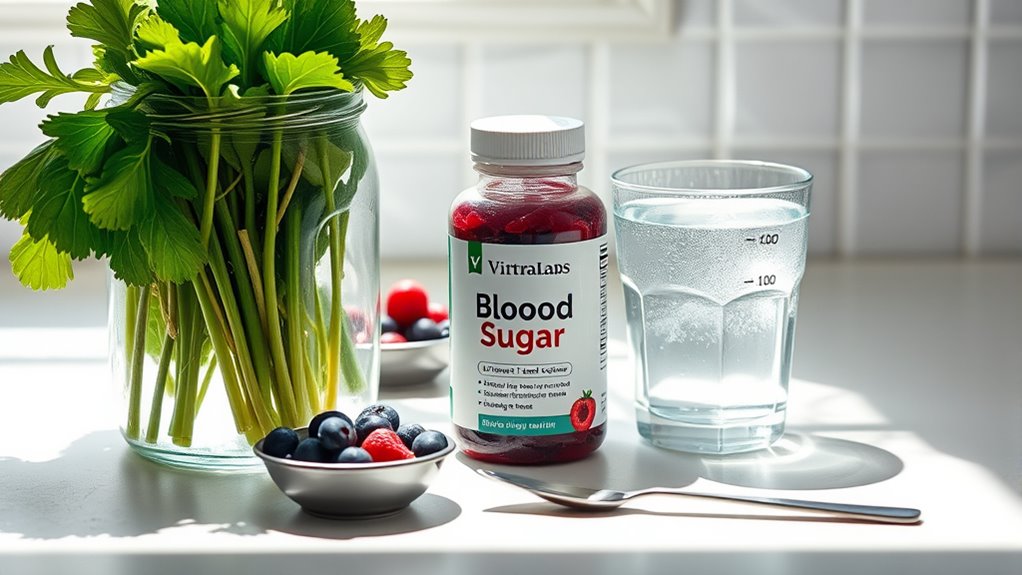
Balancing diet and supplementation for consistency means aligning what you eat with how Vitralabs Blood Sugar fits into your day to support steady glucose control. You’ll aim for regular meal timing, fiber-rich choices, and balanced portions while using the supplement as directed to smooth post-meal spikes without overreliance on one approach. Evidence suggests small, consistent changes beat drastic shifts, so pair meals with Vitralabs Blood Sugar to reinforce a predictable response. Avoid unrelated topic distractions and maintain focus on proven patterns. A mindful routine helps you track effects and adjust as needed, rather than chasing random pairing of foods and supplements that lacks coherence.
- Consistent meal timing with fiber-rich foods
- Regular portion control and protein at each meal
- Pre-meal Vitralabs Blood Sugar as directed
- Hydration and moderate daily activity
- Monitoring glucose response and adjusting as needed
How This Formula Fits Into Different Lifestyles
How does Vitralabs Blood Sugar fit into different lifestyles? You can integrate this formula whether you’re active, working long shifts, or balancing family meals. The product supports steady nutrient delivery, which helps maintain consistent glucose levels without sudden spikes after eating. For athletes, it complements pre- and post-workout routines by addressing base-level nutrition, not relying on quick fixes. Busy professionals benefit from predictable energy without crashes, aiding focus and productivity. Those managing meals on a budget or with limited cooking time can favor simple, balanced combos that still align with your needs. Evidence suggests that small, regular adjustments improve long-term control. Consider two word discussion ideas: cinnamon insulin, magnesium response. Use as directed, monitor responses, and adjust based on personal tolerances and goals.
Managing Daily Glucose Fluctuations Without Drama
You’ll notice that small daily swings can impact mood, energy, and overall functioning, so tracking daily glucose stability helps identify patterns you can address. By noting mood and energy trends alongside your readings, you can spot connections between meals, activity, and glucose changes. Practical dos and don’ts keep you on a steady path without drama, guiding adjustments that support consistent control.
Daily Glucose Stability
Daily glucose stability hinges on steady routines and smart choices that prevent sharp spikes and dips. You’ll manage peaks by timing meals, snacks, and medications, aiming for consistent carbohydrate intake and predictable insulin needs. Small, regular checks help you catch drift before it becomes drama, supporting daily discipline and thoughtful pacing. Prioritize protein, fiber, and low-glycemic options to smooth the curve, and match insulin pacing to plan rather than emotion. Hydration and sleep quality also influence glucose variability, so protect those foundations. When you travel or face schedules, adapt with simple, repeatable steps you can trust. Clear data signals guide quick adjustments, reducing anxiety and unnecessary correction.
- Consistent meal timing and portions
- Balanced macros at each meal
- Regular glucose checks
- Predictable insulin pacing
- Adequate sleep and hydration
Mood and Energy Trends
Mood and energy often ride the same roller coaster as glucose, but with a steadier vibe when you track patterns and respond early. You’ll notice that predictable swings lessen as you align meals, activity, and sleep timing, reducing surprise highs and lows.
Table:
| Trigger | Effect |
|---|---|
| Sleep timing | Stabilizes energy, cuts morning spikes |
| Exercise timing | Improves post-meal control, sustains focus |
A growth mindset helps you experiment with timing, not punish mistakes. By logging responses to meals, caffeine, and workouts, you identify reliable patterns and adjust promptly. Consistent sleep timing reinforces this, supporting healthier glucose shifts and steadier mood. You don’t chase perfection; you optimize daily routines to minimize drama and maximize clarity. With deliberate monitoring, energy aligns with intent, promoting steadier cognition, mood, and long-term control.
Practical Dos and Don’ts
Managing daily glucose fluctuations without drama means practical, actionable steps you can take right away. You’ll pair simple habits with evidence-based choices to smooth swings, without overhauling your life.
- Prioritize consistent meal timing and balanced carbs to prevent sharp spikes
- Use stress management techniques (breathing, short breaks) to blunt cortisol-linked rises
- Aim for regular sleep quality; a consistent bedtime supports stable insulin response
- Screen for hidden drivers: alcohol, prolonged fasting, high-glycemic snacks
- Track patterns, adjust portions, and consult your clinician before new routines
These dos and don’ts emphasize tangible actions you can implement today, anchored in physiology and real-world feasibility.
Realistic Expectations: What Steady Control Looks Like
Realistic expectations of steady blood sugar control mean understanding that small, consistent improvements over time add up. You won’t see perfection overnight, but you should notice gradual reductions in glycemic variability and fewer sharp spikes after meals. Steady control reflects a balance between intake, activity, and timing, not a single heroic effort. Evidence shows that regular, moderate changes in diet and routine yield meaningful benefits over weeks to months, with ongoing adherence supporting better A1C trends and fewer hypoglycemia episodes in many individuals. Expect occasional fluctuations, including fluctuating appetite and nighttime cravings, which are normal responses to dietary shifts and circadian patterns. The aim is sustainable progress, re-evaluated periodically, and anchored in practical strategies you can maintain long term.
Monitoring Progress: Helpful Metrics and Tips
Monitoring progress is the practical next step after establishing steady control, giving you concrete signals about how your routine is working. To stay objective, track key metrics consistently and interpret them with context. Use a short, focused log rather than broad notes to avoid fluff. Compare fasting, pre-meal, post-meal, and bedtime readings to identify patterns and adjust timing or portions. Look for stable averages, reduced variability, and adherence to your plan. Two word discussion ideas, unrelated topic, can help frame discussions with your clinician or support network. Be mindful of factors like activity, sleep, and stress that influence numbers. If targets drift, review your regimen step by step and re-test after adjustments.
- Daily glucose trends and averages
- Variability and spike analysis
- Timing of meals and medications
- Sleep, activity, and stress correlations
- Actionable adjustments and re-testing
Potential Interactions and Safety Considerations
You should be aware that Vitralabs Blood Sugar can interact with certain medications and supplements, so review your current regimen with your clinician. We’ll consider both interaction profiles and safety considerations to help you prevent adverse effects and ensure consistent control. If anything seems unfamiliar or risky, seek professional guidance before making changes.
Interaction Profiles
Could Vitralabs Blood Sugar interact with other meds or supplements in ways that affect safety or effectiveness? Yes, interactions can alter absorption, metabolism, or glucose control, so you should track concurrent products and timings to avoid surprises. Evidence suggests moderate risks with certain antidiabetics, anticoagulants, and herbs, potentially changing dose needs or safety margins. Pay attention to timing, liver metabolism, and renal function, as these influence interaction potential. Brighten your awareness about taste preferences and how they might shape adherence, especially if taste changes occur after adding a new product. Always consult a clinician before starting or stopping anything that could sway blood sugar management. Individual responses vary, so personalized monitoring matters.
- Potential drug-herb interactions and timing considerations
- Effects on glucose readings during coadministration
- Dose adjustment indicators and warning signs
- Liver and kidney function influence
- Adherence impacts tied to taste preferences and regimen timing
Safety Considerations
Safety considerations for interactions and overall safety should build on what we discussed about potential interactions and timing. You’ll want to review all medications, supplements, and foods that could affect glucose control or bleed risk, even if they seem unrelated topic. In practice, consider dose timing, renal or hepatic function, and patient-specific factors such as age and comorbidities. Report any new symptoms promptly, including dizziness, unusual fatigue, or hypo- or hyperglycemia episodes. Evidence supports monitoring when initiating or adjusting therapy, with periodic labs and glucose logs to detect trends. Avoid abrupt changes without guidance from a clinician. This approach minimizes risks, emphasizes informed decisions, and uses careful disclosure about filler content to maintain transparency and safety in long-term management.
Real-World Use Cases and Scenarios
Real-world use of Vitralabs Blood Sugar centers on everyday scenarios where steady blood sugar helps people stay active and feel more in control. You’ll notice steadier energy during work, errands, and social moments, supporting consistent performance without spikes. The product aims to reduce post-meal variability, aiding focus and mood stability across daily tasks. Studies cited in this article emphasize predictable responses rather than dramatic swings, making daily planning easier rather than stressful. You might track patterns with simple journaling, comparing meals and activity to outcomes. Not relevant, random pairing, you gain confidence through reliable baselines that adapt to routines rather than dictate them.
- Steady energy through a standard workday
- Balanced energy during workouts or commutes
- Improved focus for tasks requiring attention
- Reduced post-meal variability for better mood
- Consistent performance in social engagements
Tips for Pairing With Exercise and Activity
Pairing Vitralabs Blood Sugar with exercise can help you sustain steady energy and sharper focus during workouts and daily activity. To optimize performance, plan meals and snacks around training with careful calorie timing: a modest carb boost before longer sessions and a protein-rich post-workout meal to support recovery. Listen to your body and adjust intensity based on glucose trends, avoiding drastic swings. Hydration matters; replace fluids lost through sweat and consider electrolyte balance for endurance efforts. For recovery strategies, cool-downs and light activity the next day can reduce stiffness and support glycogen restoration. Track responses to different activities, noting how blood sugar responds to cardio versus resistance work. With consistent monitoring, you’ll refine timing, fueling, and recovery for better long-term stability.
Why Consistency Beats Drastic Dosing in Sugar Management
Consistency matters more than drastic dosing because stable patterns reduce the risk of dangerous glucose swings and improve predictability over time. In sugar management, steady dosing supports metabolic pacing, allowing your body to adapt without abrupt changes. Rather than chasing rapid drops or spikes, you build reliable baselines that guide meals, activity, and insulin in a coordinated way. Fluctuation budgeting helps you allocate tolerance for natural variation, preventing overcorrection after minor deviations. This approach reduces hypoglycemia and hyperglycemia risk, enhances long-term control, and supports accurate trend interpretation. You’ll notice clearer correlations between daily choices and glucose outcomes, enabling proactive adjustments rather than reactive fixes.
Consistency over drastic dosing builds steady, predictable glucose control and proactive adjustments.
- Consistency reduces risk of swings and improves predictability
- Steady patterns align with metabolic pacing for better adaptation
- Fluctuation budgeting buffers minor deviations without overcorrecting
- Predictable responses support safer, informed adjustments
- Long-term control improves with steady, data-driven decisions
Common Questions
Can Vitralabs Blood Sugar Replace Prescription Diabetes Meds?
Can Vitralabs blood sugar replace prescription diabetes meds? It’s unclear and not advised to rely on it instead of prescribed therapies. You should discuss with your clinician before making changes. While you may explore supplements, you must consider long term efficacy evidence and potential interactions. Do not discontinue meds without approval. Your doctor can guide adjustments if appropriate, ensuring you maintain blood sugar control, monitor you safely, and integrate any supplement with your overall treatment plan.
How Long Before Benefits Appear With Vitralabs Blood Sugar?
You’ll likely start noticing some effects within a few weeks, but long-term control develops gradually over 2 to 3 months, depending on your baseline. How long before benefits become consistent varies with your diet, activity, and adherence. Focus on steady routine, monitor symptoms, and discuss patterns with your clinician. While improvements can appear early, persistent, evidence-based benefits for long term control generally emerge with sustained use and lifestyle support.
Are There Any Known Interactions With Common Medications?
There aren’t widely known, major interactions with common medications reported for Vitralabs Blood Sugar. Still, you should monitor for unexpected effects and discuss any supplements with your clinician. Drug supplement safety varies by dose and individual conditions, so what’s safe for one person may not be for another. If you notice changes in blood sugar, timing issues, or side effects, report them promptly to your healthcare provider. Avoid combining without professional guidance.
Is the Supplement Suitable for Children or Pregnant Individuals?
“Children are like budding saplings,” you remind yourself, “and pregnancy is a delicate season.” Is it safe for kids or pregnant individuals? Generally, you should avoid supplements like this unless a clinician approves. Dosing considerations depend on age and health status, and potential interactions must be assessed. Seek medical guidance before use. If you’re pregnant or nursing, do not start without professional advice. Always prioritize evidence-based choices over anecdotal claims.
What Is the Recommended Daily Dosage and Timing?
The recommended dosage and timing vary by product and individual needs, so check the label and consult your clinician. Generally, start with a low amount and gradually adjust, taking it with meals if directions specify. For daily routine integration, follow the timing guidance on the bottle and track your response. Use self management strategies like blood sugar monitoring and note any effects. Maintain consistency to support your daily routine and overall control.
All Together
Vitralabs Blood Sugar won’t promise instant fixes, but it invites you to move toward a steadier rhythm—like a calm, even heartbeat in a noisy room. You may still experience occasional post-meal spikes, yet you’ll have a clearer path with consistent meals and regular activity backing the formula. It’s not a magic pill; it’s a balanced approach you can trust. Embrace urgency when you need results, but pair it with patience for lasting control. Stay vigilant, track your progress, and let steady routines reinforce the benefits of the formula for durable glycemic stability.
Now is the moment to choose momentum. You’ve got the tools to support calmer swings, steadier energy, and greater confidence day by day. Make this part of your daily routine—lean into the plan, monitor what matters, and let Vitralabs Blood Sugar be your dependable ally on the journey to better balance. Take control of your health, your energy, and your confidence today.