
You may notice that tight clothing can press on your vessels, narrowing them slightly and slowing venous return. This is most evident in the legs, abdomen, or chest, where compression can hinder valve function and circulation. Fabrics with little stretch reduce space for vessels to expand, which may cause warmth, numbness, or tingling after wear. Generally harmless for healthy individuals, but persistent pressure isn’t ideal when you’re seated or active for long. There’s more to consider as you plan your day.
Key Points
- Tight clothing can apply external pressure that narrows vessels, reducing lumen and potentially hindering blood flow.
- Compression may transiently affect venous return and arterial flow, especially in the legs, arms, or torso.
- Nonstretch fabrics increase compression risk, impacting circulation during prolonged wear or activity.
- Symptoms like warmth, numbness, or tingling signal temporary changes in flow that improve after removal.
- For safety, choose breathable, stretchy fabrics and avoid tight bands around joints or the waist for long wear.
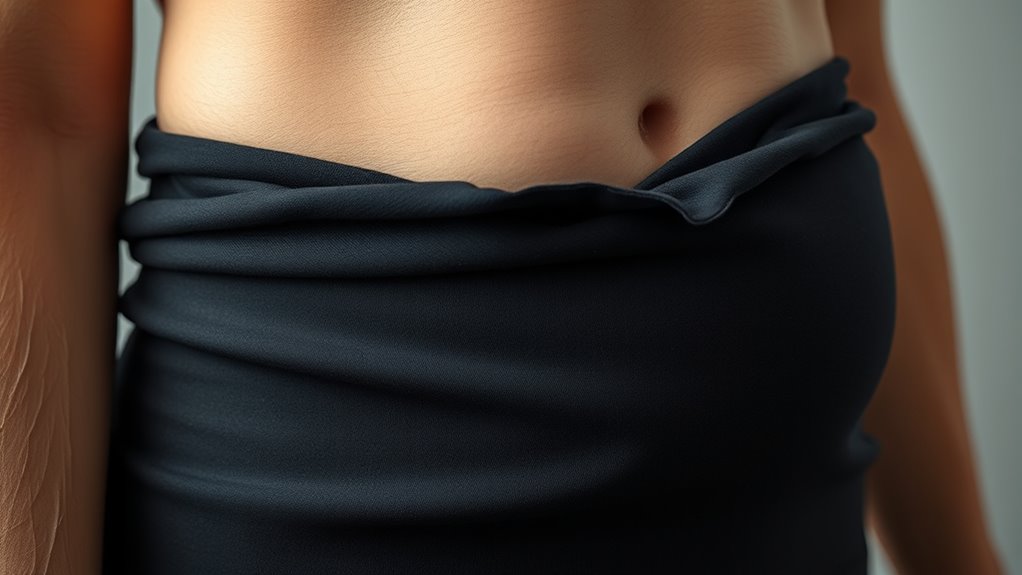
Wondering how what you wear could influence your circulation? Clothing that hugs the body tightly can alter how your blood moves through your limbs. When fabric sits close to the skin with little room to expand, it creates what clinicians describe as tight circulation in surrounding vessels. You may notice sensations of warmth, numbness, or tingling after hours in a compressed fit, especially in the legs, arms, or torso. These symptoms aren’t guaranteed, but they can reflect transient changes in venous return and arterial flow caused by fabric compression.
Clinging garments can subtly alter blood flow, causing warmth, numbness, or tingling in limbs.
From a physiological standpoint, your veins rely on smooth surroundings to carry blood back toward the heart. Tight garments can impose external pressure on these vessels, reducing their lumen slightly. Over time or with high-compression fabrics, this may hinder venous valve function and sluggish return. In the legs, for example, prolonged pressure can contribute to edema or a feeling of heaviness. In the abdomen or chest, constriction can influence core hemodynamics more subtly, potentially altering diaphragm movement and venous return during respiration. You’re more likely to notice noticeable effects when you’re active, standing for long periods, or wearing nonstretch fabrics that lack give.
Fabric compression isn’t inherently dangerous, but it can be problematic for sensitive groups or during certain conditions. People with vascular disorders, neuropathy, or edema-prone states should be particularly mindful of how garments fit. If you have a history of varicose veins, you might benefit from graduated compression garments designed to support venous flow, rather than generic tight fits. For healthy individuals, occasional tightness is unlikely to cause lasting harm, yet it can reduce comfort and performance, especially in endurance activities. If you’re unsure, assess how you feel after removing tight clothing: a quick return to baseline sensation and color is a good sign, while persistent numbness or pallor warrants medical advice.
When choosing clothing, look for elements that minimize adverse effects without sacrificing function. Opt for fabrics with adequate stretch and recovery, such as blends that offer comfort along with breathability. Avoid extremely tight bands around the waist, hips, or calves for extended wear. Consider looser silhouettes for prolonged sitting or periods of reduced mobility, and prioritize proper fit around joints and pressure points. If you wear athletic gear, select pieces labeled as performance or recovery fabrics that balance compression with comfort, ensuring you don’t trap heat or impair circulation.
Common Questions
Can Tight Clothes Cause Long-Term Circulation Damage?
A quiet nod to history aside, no—tight clothes don’t cause lasting circulation damage for most people. You may experience transient compression, which can alter venous return and cause swelling or numbness. The causal mechanisms involve mechanical pressure and reduced vessel diameter, with potential long term effects only if you consistently over-tighten or have preexisting vascular issues. Monitor symptoms, loosen garments, and seek evaluation if pain, color changes, or persistent swelling occur.
Do Compression Garments Always Improve Blood Flow?
No, compression garments don’t always improve blood flow. You’ll benefit when they provide appropriate tightness and graduated pressure, particularly for edema, venous insufficiency, or post-surgery. If fabric compression is too loose or too tight, you may impede circulation or cause discomfort. You should assess fit, duration, and medical guidance. In some cases, tight circulation may persist or worsen. Choose evidence-based guidelines and monitor symptoms to avoid adverse effects.
How Tight Is Too Tight for Daily Wear?
You want a practical rule: avoid anything binding enough to numb or swell fingers after a day. For daily wear, a tight waistband or restrictive sleeves should feel snug but not constricting, and you should be able to breathe, move, and wash comfortably. Prolonged pressure can impair venous return. If you notice tingling, discoloration, or swelling, loosen it. Prioritize comfort, circulation, and clinical fits over fashion.
Can Tight Clothing Affect Athletic Performance?
Yes, tight clothing can affect athletic performance. You may notice reduced comfort, restricted range of motion, and potential circulation effects, especially during intense activity. In a discussion ideas framework, consider how compression gear might alter perceived effort, thermoregulation, and muscle vibration. The evidence is mixed but suggests modest impacts on performance variables for some individuals. For most athletes, fit matters more for comfort and safety than dramatic performance changes in a single session.
Do Children Need Different Guidelines for Tight Clothing?
Yes, you should follow child-specific guidelines for tight clothing. You’ll need to prioritize child safety by avoiding garments that constrict movement or breathing. Pediatric guidelines emphasize proper fit, breathable fabrics, and regular checks for marks or discomfort. You should be cautious with young children and monitor signs of circulation issues. Tailor recommendations to growth spurts and activity level, and consult pediatricians if you notice persistent redness, numbness, or swelling.