
Around 40% of adults report waking with neck or back discomfort linked to sleep position, which can reflect subtle shifts in circulation. You may notice how supine or lateral postures alter abdominal and thoracic pressures, venous return, and airway patency, influencing perfusion and oxygen delivery. With pillow height and neck alignment shaping cervical tension, and leg posture affecting venous drainage, your steady posture could quietly affect outcomes—and the next details may change how you position yourself tonight.
Key Points
- Supine positions can modestly raise thoracic venous pressure due to abdominal compression and vessel crowding; lateral positions shift gastric contents and chest mechanics, subtly altering venous return.
- Pillow height and neck alignment influence cervical tension, airway geometry, and sympathetic activation; neutral alignment supports comfortable, stable circulation.
- Postures that bend hips/knees or compress the abdomen can impede venous return; straight, relaxed legs promote drainage, with gentle elevation as needed.
- Balance comfort with airway patency; small position changes can transiently affect blood flow and perfusion, so maintain stable, neutral alignment.
- Individualized sleep plans tracking symptoms, warmth, breath ease, and edema help optimize posture, pillow support, and circulatory integrity.
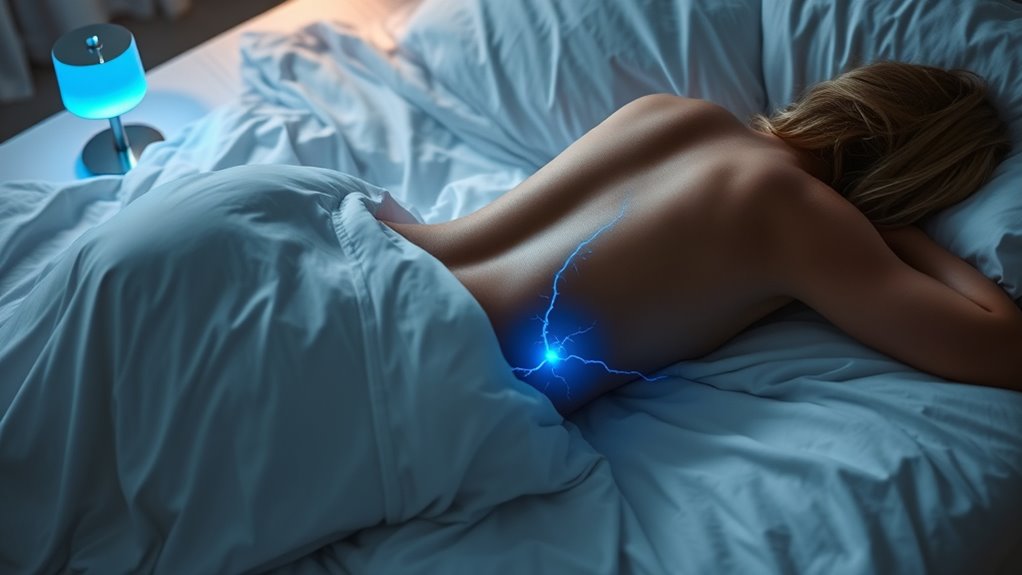
There’s a clear link between how you sleep and how blood circulates through your body, influencing everything from limb comfort to overall cardiovascular risk. Your sleeping position can alter venous return, arterial pressure, and regional blood flow, with effects that become more evident over the course of a night or a series of nights. In a clinical frame, you’re assessing posture not as an aesthetic preference but as a variable that can modify hemodynamics. When you lie supine, the abdominal viscera press against the diaphragm and vessels, potentially modestly increasing thoracic venous pressure and affecting return from the legs. When you adopt a lateral posture, gastric contents shift and chest wall mechanics change, which can influence lung volumes and intrathoracic pressure, with downstream effects on venous return and cerebral perfusion. These shifts are subtle but measurable, and they matter for individuals with vascular or autonomic sensitivity.
Could be tension and posture, could be blood flow and pillow support. The choice of pillow height and firmness affects cervical alignment, which in turn can alter the distribution of muscular tension along the neck and shoulder girdle. Excessive neck flexion or lateral tilting can provoke sympathetic activation or local muscular compression, potentially influencing regional blood flow to the brain and upper extremities. Conversely, proper pillow support maintains open airway geometry while preserving neutral cervical alignment, reducing unnecessary muscle activity that can compete with steady circulatory demands. You should evaluate whether your pillow maintains alignment without creating craniocervical strain, as this has implications for sleep quality and, indirectly, vascular comfort.
Posture at rest matters for leg and lower-extremity circulation. A position that excessively flexes the hips or knees can impede venous return through increased abdominal pressure or kinematic obstruction, particularly if you already have venous insufficiency or edema. Alternately, a straight, relaxed leg posture with light elevation or slight knee flexion can support venous drainage from the lower limbs. If you’re prone to nocturnal edema, monitor whether elevating the legs slightly with a supportive setup improves fluid distribution without compromising trunk stability or sleep onset. In all cases, you’re balancing comfort, airway patency, and hemodynamic stability, recognizing that acute changes in position can transiently modify blood flow patterns.
Evidence supports individualized adjustments rather than one-size-fits-all prescriptions. You should track symptoms, sleep architecture, and circulation-related cues over days to weeks, noting how different positions influence limb sensation, waking brachial or cerebral warmth, and perceived breath ease. The clinical takeaway is precise: align posture and pillow support to preserve neutral alignment, minimize tension, and support stable blood flow. Your sleep plan should aim for consistent positioning strategies that harmonize musculoskeletal comfort with cardiovascular and cerebral perfusion, reducing nocturnal disturbances without compromising circulatory integrity.
Common Questions
Can Sleeping on My Left Side Reduce Heartburn?
Yes, sleeping on your left side can reduce heartburn for some people. The left-side position keeps the stomach below the esophagus, which may lessen reflux episodes and nighttime symptoms. Evidence suggests it can improve lower esophageal sphincter function and gravity-assisted drainage. Individual responses vary, so monitor frequency and severity. If symptoms persist or worsen, consult a clinician. Maintain a neutral spine, avoid tight belts, and consider elevating the head slightly for added benefit with the left side.
Does Sleep Position Affect Leg Swelling or Varicose Veins?
Sleep position can influence circulation effects; yes, it may affect leg swelling and varicose veins. You’re not imagining it: elevating legs when resting can reduce venous pressure, while prolonged standing or sitting worsens pooling. For varicose veins, compression and consistent movement help, and alternating positions aids lymphatic return. If you notice persistent swelling or pain, consult a clinician. Prioritize leg elevation, regular activity, and sleep position variety to support circulation and minimize symptoms.
Can Sleepers’ Posture Cause Numbness or Tingling Overnight?
Yes, your posture can cause numbness or tingling overnight. Posture induced numbness occurs when nerves or blood flow are compressed by prolonged, awkward positions. Overnight tingling may reflect transient nerve irritation or venous constriction from positing, especially with crosses of limbs or sustained pressure. You should adjust your alignment to relieve pressure, use supportive surfaces, and vary positions. If symptoms persist beyond a few days, seek evaluation for neuropathy, radiculopathy, or vascular issues.
Do Pillows or Mattress Types Change Circulation Effects?
Pillows vs mattress types can influence circulation modestly, but effects vary by individual. You’ll likely notice improved comfort and reduced numbness when you choose supportive pillows and a mattress that aligns your spine. Evidence suggests medium-firm mattresses and properly contoured pillows help minimize pressure points without restricting blood flow. You should assess firmness, materials, and whether you sleep on your back, side, or stomach. Your goal: maintain neutral alignment while avoiding undue compression.
Is There an Ideal Position for Bloodstream Flow During Sleep?
Yes, there isn’t a single ideal bloodflow sleep position for everyone. Evidence suggests you may optimize flow by choosing a position that aligns with your comfort and specific risks. The left side may aid digestion and heartburn relief, potentially supporting steady venous return for some individuals. Prioritize睡眠姿勢 vs circulation awareness, monitor symptoms, and adjust. If you have cardiovascular or sleep-disorder concerns, consult a clinician for personalized recommendations on your ideal bloodflow and sleep position.