
Nature exposure calms your nervous system, lowers stress hormones, and promotes autonomic balance. When you spend time in green spaces, you may feel more relaxed, perceive exertion as lower, and benefit from restorative cues that detach you from daily pressures. Outdoor activity also supports better vascular function and endothelial health with regular, practical walks or lunches. Clean air and low noise help, and a clinician can tailor your plan to you—so there’s a clear path, if you’re curious to explore further.
Key Points
- Nature exposure lowers sympathetic activity and stress hormones, promoting autonomic balance and potentially better blood pressure.
- Green spaces provide restorative cues and reduced exposure to abrupt stimuli, aiding stress reduction and heart rate regulation.
- Moderate physical activity in nature improves vascular flexibility and endothelial function, supporting lower resting blood pressure.
- Clean air and greenery-rich, low-noise environments enhance autonomic regulation and blood pressure benefits.
- Regular, frequent nature-based activity plans, tailored with clinician guidance, yield meaningful blood pressure improvements alongside other healthy habits.
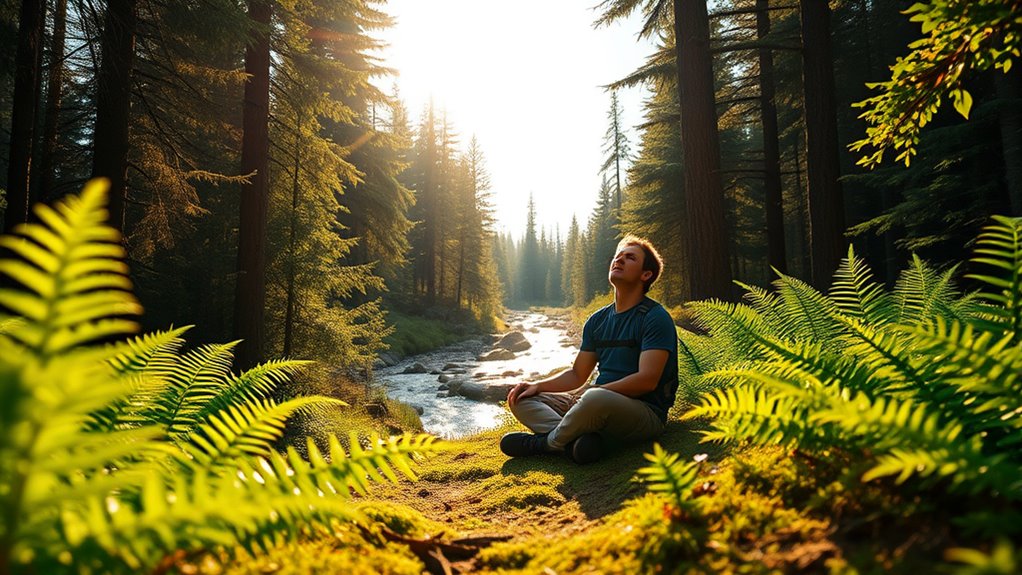
Ever wonder why a simple walk outdoors can feel like a reset for your body? When you step into nature, your body begins to respond to stimuli that calm the nervous system and support cardiovascular health. Green space isn’t just scenery; it’s a measurable influence on blood pressure through several pathways. Exposure to natural light, fresh air, and sounds like birdsong can reduce sympathetic nervous system activity and lower stress hormones. As you breathe more deeply in this environment, your heart rate often slows and becomes more regular, which can contribute to lower blood pressure readings over time.
Ever wonder why outdoor walks reset your body, lowering stress and guiding your blood pressure toward balance.
You might notice that time spent in green space helps you detach from daily stressors. Stress reduction is a key mechanism here. When you leave an indoor, high-demand setting for a park or trail, you typically experience fewer abrupt stimuli and more restorative cues. This shift can decrease perceived exertion during activity and improve recovery between bouts of effort. Regular encounters with nature appear to support autonomic balance, with higher parasympathetic (rest-and-digest) activity and lower sympathetic (fight-or-flight) arousal. Over weeks and months, these autonomic changes can translate into more stable blood pressure patterns, especially for folks with elevated readings.
Physical activity, even at moderate intensity, plays a central role. A casual walk, jog, or cycle through a green space elevates heart rate modestly while promoting vascular flexibility. Consistent, moderate exercise improves endothelial function, which helps blood vessels dilate more effectively and reduces resting blood pressure. You don’t need to push hard; you need regularity. Short, frequent exposures to nature—daily or several times per week—are linked to meaningful improvements in systolic and diastolic pressure, particularly when combined with other healthy habits like balanced nutrition and adequate sleep.
The quality of the environment matters. Settings rich in greenery, minimal noise pollution, and clean air support greater stress reduction and better autonomic regulation. Even viewing nature from a window or balcony can yield benefits, though direct exposure tends to produce stronger effects. You should aim for practical exposure: a walk during lunch breaks, weekend hikes, or simply time in a park nearby. If you have a hypertension diagnosis, discuss nature-based activity plans with your clinician to tailor intensity, duration, and frequency to your needs.
Common Questions
How Quickly Can Blood Pressure Improve After Nature Exposure?
Blood pressure can begin improving within minutes of nature exposure, with modest reductions often seen after just 5 to 20 minutes of calm, restorative time. You may notice a lower blood pressure response as your heart rate slows and autonomic balance shifts toward parasympathy. For lasting gains, aim for regular sessions, incorporate green spaces daily, and combine nature exposure with deep breathing. Your cardiovascular benefits compound as exposure becomes a routine, not a one-off event.
Do Interior Plants Offer the Same Benefits as Outdoor Exposure?
Yes, interior plants can offer some benefits, but they’re not a perfect substitute for outdoor exposure. You’ll gain modest blood pressure improvements with indoor greenery and window gardening, mainly from reduced stress and improved air quality, though effects are usually smaller than outdoors. Consider combining both: outdoor time plus care of houseplants to maximize mood and autonomic benefits. Think of your plants as quiet teammates in your health routine, supporting you with steady, measurable calm.
Are There Risks for People With Existing Heart Conditions?
Yes, there are risks for people with existing heart conditions. You should consider risk factors like sudden exertion, heat, or dehydration, monitor concerns such as heart rate and blood pressure during exposure, and be aware of potential heart implications if symptoms arise. Follow cautionary guidelines for safe exposure: start slowly, avoid extreme activity, stay hydrated, and consult your clinician before starting nature-based activities. Prioritize gradual progress and ongoing monitoring of your cardiovascular response.
What Types of Nature Activities Are Most Effective?
Short answer: naturewalking benefits come from moderate, regular activities like brisk strolls or forestbathing routines performed several times weekly. You’ll likely see clearer thinking, lower stress, and steadying blood pressure with sustained exposure, especially in green environments. Aim for 20–60 minutes, 3–5 days a week, in varied terrains. Consistency matters; mix slow meditation walks with faster pacing. Your best option hinges on enjoyment and safety, making it easier to stick with naturewalking benefits.
Can Daily Nature Exposure Replace Medication for Hypertension?
Daily nature exposure can support hypertension management, but it shouldn’t replace medication without your clinician’s guidance. You should view it as a complementary strategy that, alongside prescribed meds, can help lower blood pressure and reduce stress. If you’re considering adjustments, discuss it with your healthcare team. Rely on evidence-based practices, like regular nature exposure, consistent exercise, and proper sleep, as part of a thorough hypertension management plan.