
Are you feeling overwhelmed by blood pressure still spiking or stubbornly staying higher than you want? This product is here to meet you where you’re at—practical, at-home steps you can actually stick with. You’ll learn how steady results come from reliable measurements with validated cuffs, a quiet, careful technique, and daily habits that fit real life—not a seminar you can’t fit into your week.
Think of it as a straightforward guide you can trust: no hype, just evidence-backed targets, simple routines, and support from your provider when you need it. If you’ve wondered whether small, doable changes could add up over weeks, you’re in the right place. Let’s explore how to implement them without chaos or distraction, one practical step at a time.
Key Points
- Use validated home blood pressure devices and proper cuff technique for reliable readings.
- Measure at the same time daily after a 5-minute rest, taking two readings one minute apart, then average.
- Track trends over weeks and relate results to evidence-based guidelines with clinician collaboration.
- Incorporate daily habits: short walks, balanced meals, hydration, stress reduction, and mindful breathing.
- Prioritize sleep hygiene and evening routines to reduce nocturnal BP fluctuations and support daytime stability.
Understanding Your Blood Pressure Readings
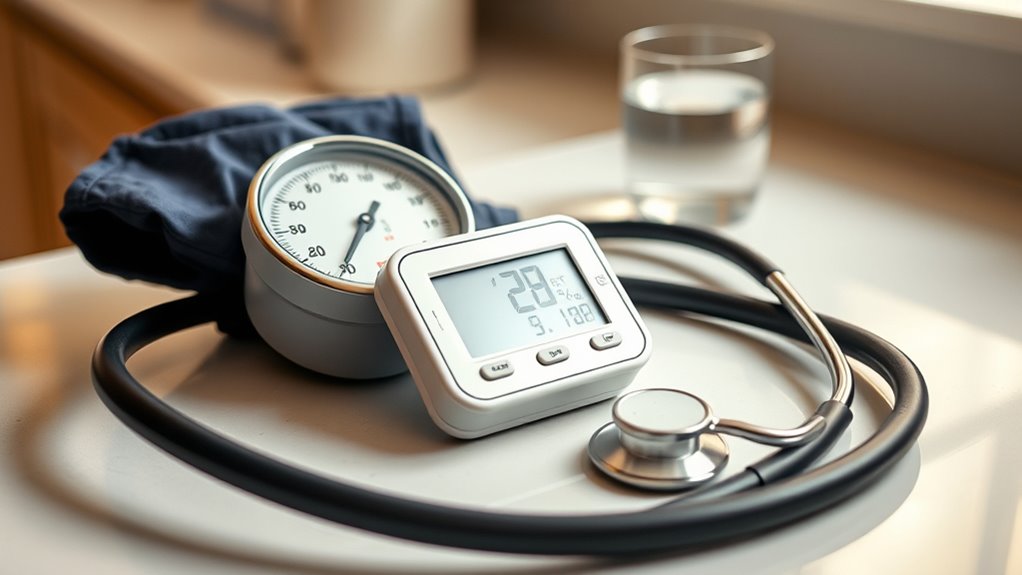
Understanding your blood pressure readings can feel overwhelming at first, but with the right frame of reference it becomes straightforward. You’ll learn what the numbers mean, how measurements are taken, and why consistency matters. Blood pressure has two values: systolic and diastolic. Systolic reflects pressure during heartbeats; diastolic reflects pressure between beats. Aim for regular checks at the same time of day, seated and rested, with proper arm support. Use a validated device and follow the manufacturer’s cuff instructions to avoid error. Be aware of misleading metrics that can arise from rushed measurements, talking, caffeine, or recent exercise. Track trends over weeks, not single readings, and compare results against evidence-based guidelines. If readings repeatedly stray, consult a clinician rather than making self-directed adjustments.
The Core Principles of Home-Based Management
A solid home-based plan starts with a few core principles that empower you to monitor and manage blood pressure reliably. You’ll establish consistent measurement, using validated cuff devices and proper technique to reduce variability. Your approach relies on evidence-based targets and transparent interpretation of results, so you can adjust with confidence. Embrace collaboration with your healthcare team, documenting readings, medications, and symptoms to inform decisions. Knowledge of medical jargon helps you understand lab values, risk factors, and treatment options without overreliance on guesswork. You’ll evaluate interventions through clinical trials when applicable, staying current on guidance while avoiding unnecessary changes. Finally, you’ll prioritize safety, recognizing warning signs and seeking timely care, ensuring stability without overreacting to short-term fluctuations.
Simple Daily Habits That Move the Dial
Daily habits that move the dial are practical, doable steps you can implement now. You’re in control of small daily changes that collectively impact blood pressure, backed by evidence and practical reasoning. Focus on consistency over perfection, and avoid volatile routines. The goal is steady readings, not dramatic swings, with a briefing tone to convey clear, actionable guidance. Stay mindful of unrelated topics that can distract from core steps.
- Track readings at the same time each day to spot patterns.
- Prioritize short, regular walks—even 10 minutes counts.
- Reduce added sugars and ultraprocessed foods where you can.
- Practice brief breathing pauses during stressful moments.
These simple actions build momentum without overwhelm, supporting home-level stability.
Nutritional Tips for Steady Readings
Nutritional tips for steady readings build on the daily habits you’ve started, showing how what you eat can quietly move the numbers in the right direction. You’ll focus on small, consistent changes rather than drastic shifts. Prioritize potassium, magnesium, and calcium to support electrolyte balance, while limiting sodium to modest levels. Emphasize whole foods: leafy greens, beans, dairy, and lean proteins. Hydration matters; water with meals helps digestion and pressure stability. Avoid excessive alcohol and highly processed snacks that spike readings. Consider regular, balanced meals to prevent large gaps or surges. Below is a quick reference for practical choices.
| Food category | Suggested options |
|---|---|
| Everyday staples | Bananas, yogurt, leafy greens |
| Protein sources | Salmon, beans, eggs |
Activity Strategies You Can Stick With
You’ll benefit from Consistent Activity Plans that fit your daily life, making steady movement easier to maintain. Simple Daily Routines help you build momentum without overhauls, turning small steps into lasting habits. By choosing Enjoyable Exercise Habits, you’re more likely to stick with activity and see real blood pressure improvements.
Consistent Activity Plans
Consistent activity plans are about finding simple, workable steps you can stick with. You’ll build a routine that fits real life, not a crash program. Small, steady actions beat sporadic bursts, supporting steady blood pressure over time.
- Choose a practical activity you enjoy
- Set achievable short sessions most days
- Track progress to stay motivated
- Adjust based on feedback and results
Two word idea 1, two word idea 2, appear as guiding principles you can recall during busy days. Evidence suggests consistency matters as much as intensity, so predictable schedules matter more than rare efforts. Prioritize moderate-intensity walking, gentle cycling, or mid-level home workouts, keeping safety and comfort in mind. If fatigue or pain arises, pause and modify. Your plan should feel doable, credible, and repeatable, inviting you to show up tomorrow with the same clarity and commitment.
Simple Daily Routines
Simple daily routines give you reliable, repeatable ways to move toward steadier blood pressure without overhauling your life. You can build small, predictable actions into your day, creating consistency that reduces stress and supports vessel health. Prioritize regular meals with balanced calcium intake, which helps maintain steady mineral levels and supports vascular function. Hydration matters too, and spacing fluid intake can prevent spikes. Be mindful of caffeine effects: some people notice short-term increases; others tolerate it well. If you consume caffeine, keep portions moderate and avoid late-day consumption to minimize sleep disruption. Pair routines with simple monitoring—check your blood pressure at set times to spot trends. Keep a written plan, adjust gradually, and celebrate gradual progress toward stable readings.
Enjoyable Exercise Habits
Finding enjoyable ways to move your body helps turn exercise from a chore into a reliable part of daily life. You’ll benefit from simple, evidence-based habits that fit real schedules, with activities you actually enjoy. Consider these strategies:
1) Choose low-impact options like brisk walking, cycling, or swimming to protect joints while improving cardiovascular health.
2) Pair movement with responsibilities you already do, such as pet care or plant care, to create natural prompts and routines.
3) Mix in short, frequent sessions to build consistency without overdoing it.
4) Track progress with easy cues (notes, a quick app) to stay motivated and adjust intensity safely based on blood pressure readings.
Tailor choices to your preferences, ensuring plant selection and pet care stay integrated into a sustainable routine.
Stress Reduction Techniques That Make a Difference
Consider how mindful breathing, gentle daily movement, and evening wind-down routines can lower blood pressure by reducing stress responses. You’ll likely notice improvements when these practices are consistent, simple to fit into daily life, and personalized to your pace. Start with a few minutes of mindful breathing, add light movement, and establish a calm pre-sleep routine to see how these techniques work for you.
Mindful Breathing Practices
Breathing practices sit at the heart of stress reduction, helping you lower blood pressure by shifting your nervous system from a fight-or-flight state to a calmer, more restorative one. Mindful breathing helps you observe sensations without judgment, while controlled breathing routines can create steady autonomic balance.
- Practice nasal inhalation, slow exhale: count to four in, to six out.
- Pause briefly after exhale to reset your breathing rhythm.
- Use diaphragmatic breaths to engage the lower lungs and core.
- Pair sessions with short daily reminders to reinforce consistency.
Evidence suggests these approaches lower sympathetic arousal and reduce variability in heart rate. Aim for brief, regular sessions, increasing duration gradually. Mindful breathing and controlled breathing are practical, low-cost tools to support home-level stability.
Gentle Daily Movement
Gentle daily movement helps your body unwind and keeps blood pressure steadier without overexertion. You don’t need intense workouts to make a difference; short, consistent activity works. Aim for activities you can sustain, like brisk walking, light cycling, or easy yoga, most days of the week. Movement improves endothelial function and reduces sympathetic activity, supporting healthier blood pressure targets over time. Monitor how you feel during and after sessions, noting any patterns in systolic or diastolic readings. Pace matters: gradual increases in duration, not frequency, yield better adherence and fewer spikes. Combine movement with other stress-reduction practices to magnify benefits. If you have medical concerns, confirm targets and safety with your clinician before starting.gentle movement, blood pressure targets.
Evening Wind-Down Routines
Evening wind-down routines can make a real difference in how your body handles stress and prepares for restful sleep, which in turn supports steadier blood pressure. Establishing a calm pre-sleep pattern helps reduce sympathetic arousal and improves sleep onset. By sticking to a consistent routine, you signal bedtime routines to your brain, lowering cortisol and promoting parasympathetic activity. Use accessible, evidence-based strategies that fit your life, avoid stimulating activities late, and track what works over time. Here are practical steps you can implement today:
- Set a fixed start time for your wind-down period.
- Dim lights and minimize screen exposure.
- Practice slow breathing or mindfulness for 5–10 minutes.
- Prepare a relaxing routine, then adhere to it nightly.
Sleep Hygiene and Blood Pressure
Good sleep is essential for blood pressure consistency, and practicing solid sleep hygiene can reduce nighttime stress on your cardiovascular system. You’ll notice sleep quality matters as your body coordinates autonomic balance; poor sleep often elevates sympathetic activity, which can raise daytime and nighttime blood pressure. Consistent bedtimes, a dark cool room, and minimizing stimulants help stabilize your circadian rhythm, supporting healthier blood pressure interactions. Limit caffeine after midafternoon and avoid heavy meals late at night to reduce nocturnal spikes. Regular physical activity improves sleep duration and quality, yet avoid vigorous workouts close to bedtime. If snoring or apnea concerns arise, address them promptly, as untreated sleep-disordered breathing disrupts blood pressure control. Track patterns over weeks, then adjust routines to sustain steady, moderate pressures.
Monitoring at Home: Tools and Techniques
How can you reliably track your blood pressure at home without adding confusion to your day? You can do this with a simple setup and consistent technique, using evidence-based monitoring methods and reliable home devices. Here’s a concise guide to get started:
- Choose validated home devices and calibrate them as recommended.
- Measure at the same time each day, resting for five minutes before pulling readings.
- Take two readings, one minute apart, and record the average.
- Note situational factors (caffeine, activity, stress) that may affect results.
A steady routine reduces variability, helping you and your clinician track trends accurately. Focus on reliability over novelty, and replace devices that fail validation.
Building a Practical Routine You Can Maintain
Ever wonder how to turn blood pressure checks into a routine you actually keep? Start small, with a consistent time, a simple sequence, and a easy-to-follow checklist. Pair measurements with a quick note on symptoms, meds, and recent activity so you can spot patterns over weeks. Use a calendar reminder or smartphone prompt to reduce forgetfulness, and keep the device in the same spot for consistency. Build a short, realistic sequence: verify device, sit calmly for five minutes, take reading, log result, and review weekly. Two word discussion ideas: hypothetical pharmacology, rural accessibility. Track trends rather than perfection, and adjust targets with your clinician as needed. Maintain motivation by linking checks to actionable steps, not anxiety.
Common Obstacles and How to Overcome Them
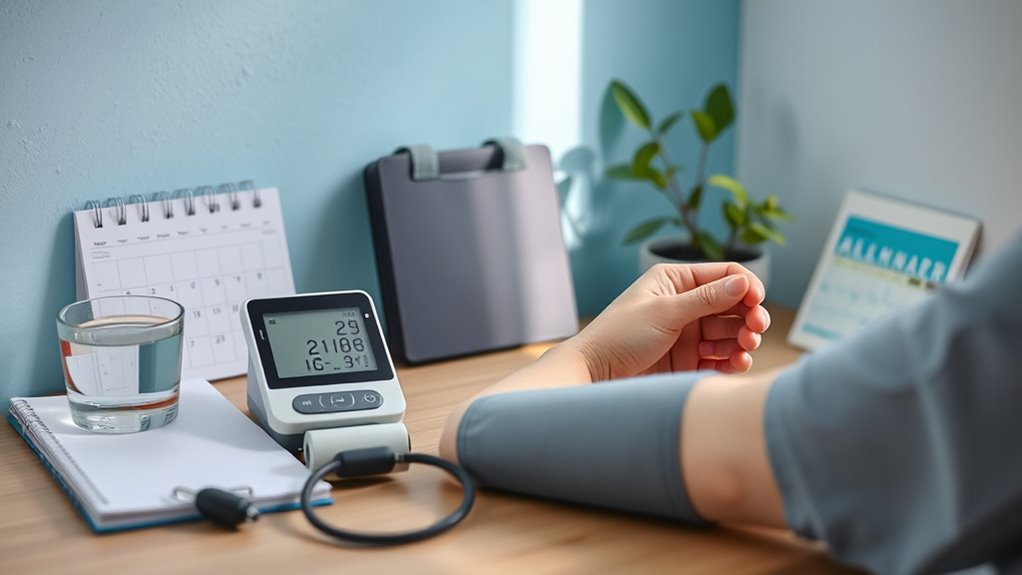
Common obstacles can derail even well-planned routines, but recognizing them helps you stay on track. Here’s how to navigate common pitfalls with clarity and evidence-based steps:
- Missing doses or irregular medication timing
- Meals, caffeine, or stress causing blood pressure swings
- Inconsistent home monitoring or data logging
- Overlooking symptoms that warrant medical advice
To overcome these, you’ll establish a predictable rhythm that fits your day, and you’ll track results for timely adjustments. Emphasize Understanding fluctuations to anticipate when readings trend high or low, then review with your clinician rather than guessing. Maintain consistent Medication timing by using reminders or linked activities. Prioritize daily monitoring, interpret trends objectively, and avoid making changes without guidance. If readings remain outside target ranges, seek professional input promptly to refine your plan.
Making Small, Lasting Adjustments for Long-Term Stability
Small, lasting adjustments are the backbone of long-term blood pressure stability. You don’t need dramatic overhauls to see impact; small, consistent changes compound over time. Focus on realistic goals: swap one high-sodium meal for a lower-sodium option, add 15 minutes of brisk activity most days, and aim for steady sleep routines. Track your progress with simple logs, not perfection audits, so you can spot what actually moves your numbers. Evidence shows gradual improvements in weight, activity, and stress responses correlate with better blood pressure control. Keep adjustments doable and reversible, so you stay motivated. Remember: two word ideas: unrelated topics. When a plan stalls, reassess barriers, adjust the pace, and recommit without guilt. Consistency beats intensity for lasting stability.
Common Questions
How Often Should I Change My Home Blood Pressure Cuff?
You should replace your home blood pressure cuff every 2 to 5 years, or sooner if the cuff shows cracks, wear, or unreliable readings. Check cuff wearability and cuff fit regularly—seek a snug, smooth seal without face-to-face gaps. Wipe with mild sanitizer and avoid reusing if damaged. If readings seem inconsistent, verify with a clinician. Prioritize using a cuff that matches your arm size and is validated for accuracy.
Can White Coat Vs Masked Hypertension Affect Home Readings?
White coat and masked hypertension can skew home readings. You may see normal numbers at home while your clinician detects elevated pressure, or vice versa. Satirical visual: you barge into a conference, white coat says “calm down,” you chisel your cuff in, then masked hypertension tiptoes in wearing sunglasses. In reality, you should measure consistently, follow proper technique, and verify abnormal results with multiple readings and routine clinician checks. If erratic, seek guidance and recheck.
Do Certain Medications Interfere With Home BP Monitoring?
Yes, certain medications can interfere with home BP monitoring, affecting readings indirectly through interactions, timing, or side effects like dizziness. Always review your regimen for potential medication interactions with your clinician. Ensure cuff size considerations are correct, as improper cuff fit skews results, especially with diuretics or vasodilators. Take measurements at the same time daily, seated quietly, and avoid caffeine or nicotine beforehand to improve consistency. If readings seem abnormal, reassess meds with your provider.
What’s a Safe BP Target for Seniors at Home?
A safe target for seniors at home is generally a systolic under 150 mmHg and a diastolic under 90 mmHg, but individual goals vary. You should discuss personalized targets with your clinician. When you use home monitoring, track patterns, note symptoms, and share data promptly. Stay consistent with measurement times, ensure proper technique, and consider adjustments based on overall health, medications, and risk factors. Safe targets and home monitoring help you manage blood pressure effectively.
How Soon Should I Seek Help if Readings Spike?
If readings spike, how soon you seek help matters: don’t wait. Seek help immediately if you notice severe symptoms (chest pain, severe headache, vision changes, weakness) or persistent, very high numbers. If you’re unsure, contact your clinician or emergency services right away. Stay calm, record the time and numbers, and describe symptoms. Seek help iko, and follow your care plan. Your safety matters, and timely action can prevent complications.
All Together
You’re closer to steady, lasting blood pressure than you might think. By starting small and staying consistent, you’ll feel more in control, more confident, and better supported day to day. With simple steps you can do at home—structured routines, mindful breathing, and sleep-minded habits—you’ll see how data-backed progress translates into real peace of mind. The program helps you align with your clinician’s guidance, track what matters, and adjust with thoughtful tweaks so you stay on course even when life gets busy.
Now is the moment to lean into momentum and elevate your daily routine with clear, practical support. As you weave these steady practices into your life, you’ll experience calmer days, more reliable numbers, and a stronger sense of energy and control. Take the next step, trust the process, and keep moving forward—your health, confidence, and vitality depend on it today.