
You’ll find that herbal teas can help relax your blood vessels by delivering flavonoids and polyphenols that boost endothelial nitric oxide production, easing vascular tone. These compounds also bolster antioxidant defenses, reducing reactive species that lower NO availability. The result is smoother muscle relaxation and steadier pressure over time, with caffeine-containing blends offering nuanced effects. Pair this with daily relaxation rituals and optimized brew time and temperature to maximize extraction—and you may sense a calmer pulse as you explore further.
Key Points
- Herbal compounds reach circulation to modulate nitric oxide production and shift toward vascular smooth muscle relaxation.
- Endothelium translates phytochemicals into second messengers, promoting endothelium-dependent vasodilation.
- Antioxidants in herbs limit reactive oxygen species, preserving NO availability and vessel flexibility.
- Caffeine-containing herbs may support vasodilation via polyphenols, with tachycardia risk minimal in healthy individuals.
- Consistent preparation and pairing with relaxed breathing and postures enhance baseline vascular tone reduction over weeks.
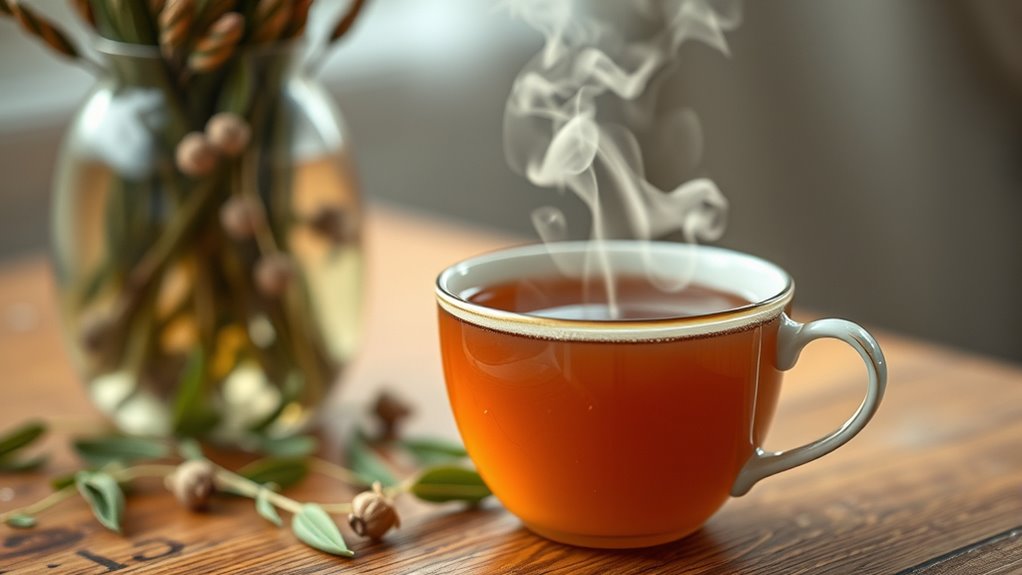
Herbal teas can influence vascular tone by delivering bioactive compounds that interact with endothelial pathways and smooth muscle cells. When you sip, flavonoids, polyphenols, and alkaloids reach your circulation and can modulate nitric oxide production, prostacyclin balance, and endothelin signaling. The result is a net shift toward reduced intracellular calcium in vascular smooth muscle, promoting vasodilation. You can think of these compounds as subtle modulators: they don’t force a dramatic change, but they tune signaling cascades enough to alter baseline tone in vessels with intact endothelium. In this mechanistic view, the endothelium serves as the critical gatekeeper, translating phytochemicals into second messengers that affect muscle contraction directly and indirectly.
Herbal compounds gently modulate endothelial signals to ease vascular tone.
You’ll notice that relaxation techniques, including controlled breathing and brief postural adjustments, can synergize with the pharmacology of herbal constituents. Nitric oxide synthase activity may be boosted by certain polyphenols, leading to increased cyclic guanosine monophosphate in smooth muscle and a lower resting tone. Simultaneously, antioxidant actions limit reactive oxygen species that would otherwise dampen NO availability. The net effect is improved endothelial responsiveness, especially during transient stressors that would elevate vascular resistance. In practical terms, you may experience a calmer pulse and smoother pressure trends after consistent consumption, provided your baseline health supports these responses.
From a mechanistic standpoint, caffeine-containing herbs complicate the picture. You’ll want to distinguish between vasodilatory actions from NO pathways and vasoconstrictive tendencies associated with sympathomimetic components. In many common blends, however, the dominant vascular effect arises from vasodilatory polyphenols rather than caffeine, leading to a favorable shift in peripheral resistance without provoking tachycardia in healthy individuals. If you have hypertension, the picture remains nuanced: modest, chronic intake may support endothelial function, but it should complement, not replace, medical guidance and prescribed therapies.
The cardiovascular benefits you seek from herbal teas depend on consistency, cultivar, and preparation. Temperature, steep time, and leaf-to-water ratios influence extraction of active constituents, and thus the magnitude of vascular responses. You can optimize outcomes by choosing blends rich in known endothelium-supporting compounds, preparing them with stable water chemistry, and pairing consumption with daily relaxation techniques. Over weeks, you may observe steadier flow-dependent metrics and a lower reactivity to stressors, aligning with a broader pattern of cardiovascular benefits. In sum, these beverages offer a mechanistic avenue to support vessel function, when used thoughtfully alongside evidence-based lifestyle choices.
Common Questions
Do Herbal Teas Interact With Common Medications?
Herbal teas can interact with common medications, so you should monitor for effects. Herbal interactions often involve cytochrome P450 enzymes or transporter proteins, altering drug levels. Timing matters: separate herbal tea intake from medications to optimize absorption and reduce interactions. For anticoagulants, antiplatelets, or antidepressants, even small changes can matter. Always check with your clinician about specific herbs, doses, and Medication timing, and report new supplements promptly to prevent adverse effects.
How Much Tea Is Needed for Vascular Relaxation?
You’ll typically need a measurable amount of tea—often several cups daily—to approach vascular relaxation thresholds, though exact dosing varies by herb and individual sensitivity. Herbal dosage depends on constituent potency, tea form, and duration of exposure. Look for standardized extracts when possible. Mechanistically, flavonoids and polyphenols modulate endothelial nitric oxide signaling, calcium handling, and oxidative stress, contributing to relaxation. For safety and accuracy, consult evidence-based guidelines and consider potential interactions with medications you take.
Can Children Safely Drink Cardiovascular-Relaxing Teas?
Yes, children can drink certain cardiovascular-relaxing teas only with medical guidance. You should monitor calming effects and avoid potent blends. For kids, start with very low doses and choose caffeine-free herbs like chamomile or lemon balm, not strong vasodilators. dosage considerations matter; use age-appropriate amounts and observe any adverse reactions. If symptoms persist or worsen, discontinue and consult a clinician to confirm safe usage for your child’s cardiovascular health.
Do All Herbs Have the Same Relaxing Effect?
Herbal teas don’t all share the same relaxing effect. You’ll find herbal variety varies in action: some act by beta-adrenergic pathways, others via vasodilatory compounds, different calcium channel impacts, or antioxidant modulation. In short, mechanism differences matter: not every herb produces identical vascular relaxation. You’ll want to review each herb’s active constituents and evidence, and consider timing, dosage, and safety, especially for kids or those with medications. Always consult a clinician before broad usage.
Are Effects Temporary or Long-Lasting After Regular Use?
You’ll notice temporary effects for many herbs after each session, but long term benefits of regular use depend on consistent intake and bioactive compounds modulating endothelial function. Mechanistically, flavonoids and polyphenols can enhance nitric oxide availability, reduce oxidative stress, and improve vessel flexibility. Consequently, temporary effects may precede longer-term vascular adaptations, yet individual responses vary. If you stop, benefits may wane. So, continue cautiously to observe longer-term improvements alongside potential transient changes.