
A warmer day may not be ideal for everyone, but you might notice your circulation improving as your blood vessels relax. When temps rise, vasodilation lowers vascular resistance, making it easier for your heart to push blood through wider pathways. You could feel less muscle tension and quicker recovery after activity, provided you stay hydrated and avoid overheating. Because responses vary and conditions matter, there’s more to uncover about how heat affects you specifically.
Key Points
- Warm air causes vasodilation, lowering vascular resistance and improving blood flow to tissues.
- Heat influence on the autonomic nervous system reduces the heart’s workload and speeds recovery after activity.
- Higher temperatures relax muscles, reducing compression in microvascular networks and smoothing perfusion.
- Hydration and breathable clothing support stable blood volume and safer circulation in warm conditions.
- Individual factors (health status, activity, and thermoregulation) determine whether warmth improves or risks circulation.
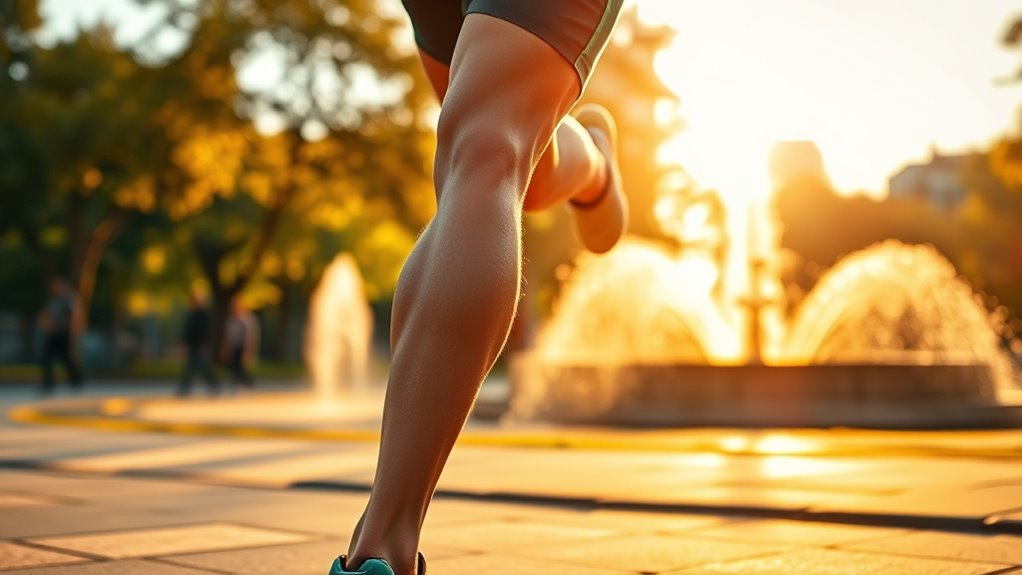
Could warm weather really boost circulation for some people? You might notice that your hands and feet feel warmer, your pulse seems a touch stronger, and you move with less stiffness when temps rise. This happens because heat prompts a series of physiological adjustments that can improve blood flow, especially for folks who have certain circulatory quirks or peripheral issues. When the air is warm, your blood vessels tend to dilate, a process known as vasodilation. This widening lowers vascular resistance and allows blood to move more freely, which can translate into better delivery of oxygen and nutrients to tissues. You may not feel dramatic changes, but small improvements in how your body functions can accumulate over the day, especially if you’re sitting for long stretches or recovering from intense activity.
Warm weather can ease circulation by dilating vessels and easing stiffness.
Heat exposure also influences your autonomic nervous system, which governs automatic functions like heart rate and vessel tone. In warmer conditions, your heart doesn’t have to work as hard to push blood through open vessels, so you might notice you recover faster after movement and your muscles don’t tire as quickly. This isn’t universal, though. People with certain cardiovascular conditions or impaired thermoregulation can experience discomfort, dizziness, or an unsafe drop in blood pressure if they overheat. If you have a medical history, you’ll want to monitor how you feel in heat and discuss limits with a clinician.
The heat response is linked to muscle relaxation as well. Higher temperatures can ease muscle tension, lowering resistance in the microvascular network that delivers blood to muscles. When muscles are relaxed, there’s less compression on nearby vessels, which helps blood flow more smoothly. You might notice easier movements, less stiffness after activities, and a feeling of loosened posture. This isn’t just comfort; improved muscle relaxation can support better perfusion in the short term, aiding recovery after workouts and helping you stay active with less pain.
Your daily habits can influence how strongly you experience these effects. Hydration supports blood volume and helps maintain stable circulation as temperatures rise. Lightweight, breathable clothing reduces overheating risk and promotes comfortable heat exposure. Regular movement, even small bouts of walking, helps keep the venous return steady, so your legs don’t feel heavy in warm weather. If you’re outdoors, protect your skin and monitor for signs of overheating, such as dizziness, nausea, or fainting. If any red flags appear, seek shade, cool fluids, and medical advice when needed.
Common Questions
Can Warm Weather Worsen Circulation for Some People?
Warm weather can’t universally worsen your circulation, but it can surprise you. Yes, warming risks exist for some people, especially if you have conditions like varicose veins or inflammatory disorders, and sudden heat can trigger dizziness or swelling. Be mindful of cold spikes when temps drop, too. If you notice symptoms persisting, talk to a clinician. You’ll stay safer by staying hydrated, pacing activity, and monitoring how your body responds to temperature changes.
Does Humidity Affect Circulation Alongside Temperature?
Humidity can affect circulation alongside temperature, but the impact varies. You’ll often see performance changes when humidity interacts with heat, raising perceived fatigue and swelling in some people. The humidity impact mainly stems from impaired sweat cooling, which can shift blood flow patterns to the skin. Temperature interaction matters too: hot, humid days can strain your cardiovascular system more than dry heat. Stay hydrated, pace activities, and seek shade to mitigate these effects.
Are Genetic Factors Linked to Temperature-Related Circulation Changes?
Temperature sensitivity and genetic predispositions both influence circulation, but they don’t dictate certainty for you. You may find that your genes tilt how your vessels react to warmth, yet environmental cues still matter. Juxtapose calm, steady blood flow with abrupt cold spikes to see how small shifts matter. Genetic predispositions can raise risk, but you can adapt with gradual exposure and lifestyle choices. Your body responds, sometimes more than you expect, shaping your circulation outcomes.
How Quickly Does Circulation Improve With Warmer Weather?
Circulation often improves within minutes to hours as you warm up, because cooling causes your blood vessels to dilate and blood flow to skin increases to release heat. This quick response supports warmth over core needs, but full relief varies by individual and underlying conditions. You’ll likely notice faster hand and foot warmth within an hour of exposure, though persistent symptoms deserve medical evaluation. Keep moving gently, stay hydrated, and monitor changes in color or sensation.
Can Exercise Offset Cold-Induced Circulation Issues in Summer?
Yes, exercise can help offset cold-induced circulation issues in summer. You’ll benefit when you consider exercise biomechanics and heat acclimation, enabling you to move efficiently while your vessels adapt. Regular activity improves blood flow, and gradual heat exposure improves your body’s cooling and vascular response. Start with moderate aerobic work and progressive resistance, staying mindful of safety. Over weeks, you’ll notice steadier circulation, less cramping, and better endurance as heat acclimation builds your system’s resilience.