
You’ll explore how herbal ingredients can support blood flow by promoting vasodilation, improving endothelial function, and reducing vascular inflammation and oxidative stress. Evidence points to polyphenols and nitric oxide–modulating compounds as key players, with some herbs offering mild antiplatelet effects. Effects vary by formulation and individual, so consistent quality and clinician guidance are essential. This is a nuanced area with real potential, but there are important considerations to weigh before incorporating herbs into a broader cardiovascular plan.
Key Points
- Vasodilatory herbs can widen vessels and improve tissue perfusion, often via nitric oxide signaling and endothelial function support.
- Some herbs may offer antiplatelet effects, helping reduce clumping and promote smoother blood flow when used safely.
- Polyphenols and other phytochemicals provide antioxidant and anti-inflammatory actions that protect the vascular endothelium.
- Long-term, consistent use with quality, standardized extracts and professional guidance supports gradual vascular benefits.
- Always review current medications and safety, as interactions with anticoagulants or antihypertensives are possible.
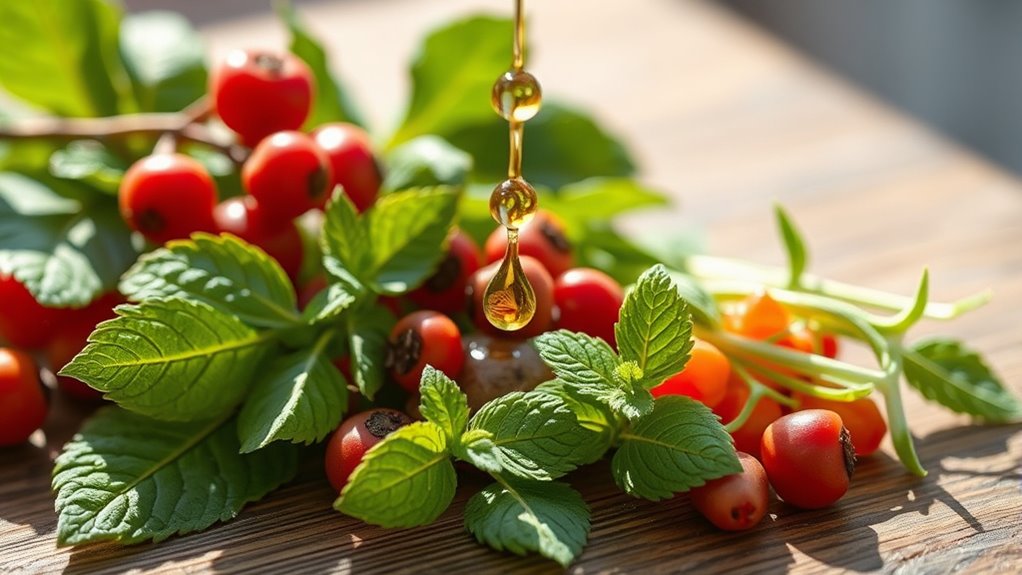
Numerous herbal ingredients have long been explored for their potential to support blood flow, with growing clinical interest in how these botanicals may act on vascular function and circulation. You’re seeking a clearer sense of how these options work and what evidence supports their use. In this overview, you’ll find a clinical, evidence-based look at how certain botanicals may contribute to flow enhancement and overall circulation. You’ll notice that mechanisms vary: some botanicals appear to influence endothelial function, others target platelet activity, and several may modulate smooth muscle tone. The aim isn’t to replace medical advice but to help you understand how these circulation herbs could complement standard care when discussed with a clinician.
First, you’ll encounter herbs commonly cited for flow enhancement due to vasodilatory effects. For example, compounds that promote nitric oxide signaling can help widen blood vessels, potentially improving perfusion to tissues. You may read about magnolia, ginkgo, and hawthorn in this context, though the strength of evidence differs across studies. When considering any herb, you’ll weigh dosage, formulation, and potential interactions with medications such as anticoagulants or antihypertensives. In some cases, a modest improvement in microcirculation—small-vessel flow—can manifest as enhanced sensation, quicker recovery after exertion, or reduced cold sensitivity in extremities. Your clinician can help tailor expectations to your situation.
Herbs with vasodilatory effects may improve microcirculation and tissue perfusion, with magnolia, ginkgo, and hawthorn showing variable evidence.
Second, you’ll see emphasis on herbs with antiplatelet or antiaggregatory properties. By moderating excessive platelet clumping, some circulation herbs may support smooth blood flow, particularly in individuals with risk factors for thrombosis. You’ll note that standardized extracts and quality controls matter, because active constituents can vary widely between products. Safety profiles differ, and certain herbs may interact with prescription medications. Always disclose current regimens before starting any supplement.
Third, you’ll encounter education about antioxidant and anti-inflammatory actions. Chronic vascular inflammation and oxidative stress contribute to endothelial dysfunction, which can hinder flow. Botanicals with polyphenols or other phytochemicals may help mitigate these processes, potentially supporting healthier circulation over time. You’ll understand that sustained benefits typically emerge with consistent, long-term use and under medical supervision.
Finally, you’ll appreciate the practical takeaways: discuss your goals with your healthcare team, review current medications, and choose products from reputable sources with transparent labeling. Expect gradual, measurable changes rather than immediate, dramatic shifts. If you experience symptoms such as dizziness, chest discomfort, or new pain, seek urgent medical evaluation. This patient-centered approach to flow enhancement and circulation herbs emphasizes clear communication, individualized care, and alignment with evidence-based guidelines so you can make informed decisions about your vascular health.
Common Questions
Can Herbs Replace Medical Treatment for Blood Flow Issues?
Herbs cannot replace medical treatment for blood flow issues. You should view herbal efficacy as complementary, not a substitute. If you’re considering use, discuss medical treatment compatibility, dosage guidelines, and safety considerations with your clinician. Be aware of interactions with meds, pregnancy safety, and potential side effect profiles. Compare exercise effects to herbal options, monitor blood pressure and cholesterol interaction, and ensure source quality. Always avoid changing therapies without professional guidance.
Are Herbal Ingredients Safe During Pregnancy or Breastfeeding?
You should know that herbal safety during pregnancy and breastfeeding is cautious, with limited high-quality evidence. About 1 in 5 herbs lack robust safety data for these periods. You’ll want to avoid herbs like dong quai or ginseng unless your clinician approves. Breastfeeding considerations include potential infant exposure. Always discuss with your provider before using any herbal products, and rely on evidence-based guidance to weigh benefits and risks for your situation.
How Quickly Do Herbs Impact Circulation Compared to Exercise?
Herbs can’t match exercise for speed of circulation changes. In general, you may notice gradual improvements over weeks with consistent use, while exercise prompts quicker hemodynamic shifts during and after activity. Quick efficacy from herbs varies by compound and individual factors. When you compare, remember exercise often yields immediate, transient boosts; herbs may offer steadier, longer-term support. Always consider safety, dosing, and your medical history in an evidence-based, patient-centered approach.
Do Herbs Interact With Common Blood Pressure or Cholesterol Meds?
Yes, herbs can interact with common blood pressure or cholesterol meds. You should discuss herb drug interactions with your clinician before adding any supplement. While many herbs are safe in standard doses, some inhibit or induce drug metabolism, altering effectiveness or risk of side effects. Follow Herbal safety guidelines, monitor blood pressure and lipids, and report any new symptoms. Seek evidence-based guidance, prioritize patient-centered care, and avoid self-prescribing without professional input.
Which Dosages Are Effective Without Causing Side Effects?
You should consult your clinician for personalized dosing, as effective amounts vary by herb and individual factors, and some may cause interactions. Generally, start with the lowest effective dose and monitor for side effects, adjusting only under supervision. Herbal dosing should be guided by evidence and product quality. Track symptoms and regularly review with your provider. Side effect monitoring, potential interactions, and adherence are essential to safety and efficacy in real-world use.