
If you’re navigating days with uneven energy or post-meal spikes, berberine could be a steadying companion. Think of it as a gentle nudge for balance—supporting glucose levels as you move through meals and activities. You’re not alone in wanting a smoother rhythm, and this product is here to help you explore that possibility with mindful dosing and timing.
As you consider integrating it into your routine, you’ll notice how the right pairing with other plant allies—like cinnamon-inspired botanicals and gymnema—might enhance the effect. The goal is steadier energy and fewer sharp rises after meals, so you can stay present and comfortable throughout your day. Let’s start with the essentials.
Key Points
- Berberine activates AMPK, supporting steadier glucose uptake and reduced hepatic glucose production for smoother daily glucose levels.
- Take berberine with meals, paired with fiber- and protein-rich foods to slow carb absorption and minimize GI upset.
- Combine berberine with complementary botanicals (e.g., cinnamon-like supports, gymnema, fiber-adjacent plants) for synergistic glycemic stability.
- Start with a low dose, monitor glucose and liver function, and avoid mega-dosing or interactions with metformin, statins, or anticoagulants.
- Maintain consistency with timed daily routines (breakfast, balanced lunch, light evening activity) to achieve gradual improvements in glycemic markers.
What Berberine Does for Blood Sugar
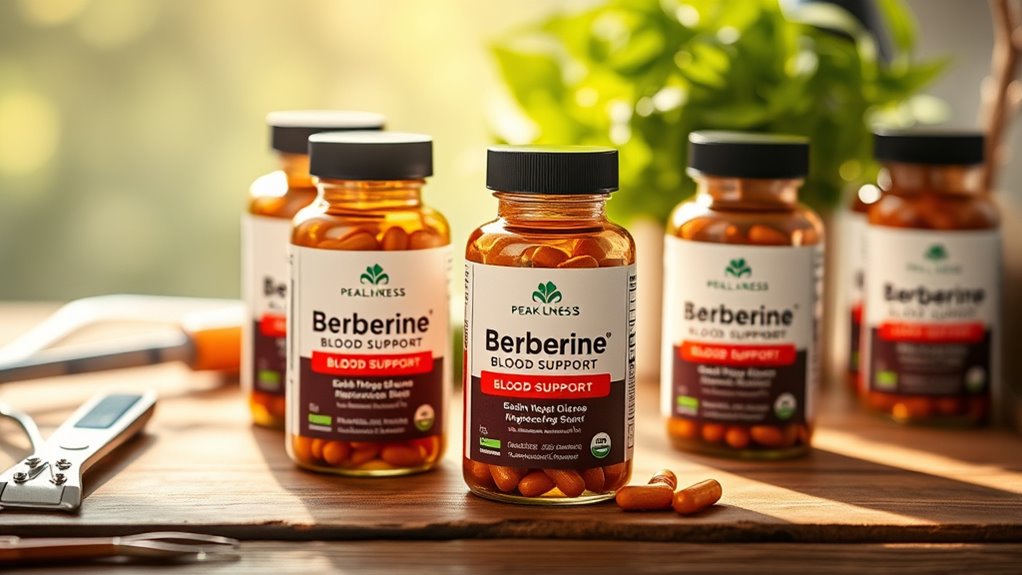
Berberine helps manage blood sugar by activating an enzyme called AMP-activated protein kinase (AMPK), which acts like a metabolic master switch. When AMPK is stimulated, you improve glucose uptake in skeletal muscle and inhibit hepatic glucose production, shaping more favorable blood sugar dynamics. The effects hinge on berberine mechanisms that influence insulin signaling, lipid metabolism, and mitochondrial function, contributing to steadier post-meal rises and daily variability. You may notice modest improvements in fasting glucose and HbA1c over weeks, alongside improved lipid profiles in some individuals. Evidence from human trials supports these actions, though outcomes vary by dose and duration. Keep in mind that berberine is a supplement, not a replacement for lifestyle factors like diet and activity that sustain blood sugar control.
Key Plant Allies in the Blend
You’ll get a concise look at the plant allies that support berberine’s effects, including how each botanical player contributes to blood sugar balance. We’ll briefly cover the overview of plant allies, name key botanical players, and highlight how these components blend for synergy. This sets the stage for evidence-based discussion on how the blend works together to support glucose stability.
Plant Allies Overview
Which plant allies does this blend rely on to support glucose balance and overall wellness? You’ll find a concise overview of the key players, focusing on mechanisms supported by evidence and practical use. The blend pairs berberine with complementary botanicals that support metabolic pathways, antioxidant defense, and inflammation control, while avoiding speculation beyond established data. You’ll notice how certain herbs contribute to steady glucose fluctuations and daily well-being, paired with mindful practices like calorie awareness and stress management to enhance outcomes. This overview stays rooted in research, highlighting safety and standard dosing considerations. Practical takeaways emphasize consistent use, quality sourcing, and observing your body’s responses for long-term balance.
- Berberine-containing partner herbs
- Cinnamon-like metabolic supports
- Fiber-adjacent botanicals for glucose pace
- Antioxidant-focused plants
Key Botanical Players
Among the key plant allies in this blend, berberine partners with herbs that support glucose regulation, inflammation control, and antioxidant defenses, helping to smooth daily glucose swings. You’ll find bitter melon, cinnamon, and fenugreek cited for modulating postprandial glucose and improving insulin sensitivity in moderate studies. Berberine’s mechanisms—AMPK activation and gut microbiota shifts—complement these actions, forming a multi-target approach. You should consider each plant’s role, dosing context, and potential interactions with medications. Plant sourcing matters for quality, consistency, and contaminant checks, ensuring reliable activity. Taste considerations come into play, as some botanicals contribute bitterness or warming notes that can influence adherence. Together, these botanicals aim to support metabolic flexibility while remaining grounded in current evidence and standard-use guidance.
Blend Synergy Highlights
The blend leverages the complementary actions of its plant allies to support stable glucose responses. You’ll notice how each component targets different aspects of glucose regulation, creating a cohesive effect. This synergy supports calm focus during daily tasks and helps maintain energy balance throughout the day.
- Berberine provides evidence-backed mitochondrial and insulin-sensitizing actions that complement other herbs.
- Cinnamon helps modulate post-meal glucose spikes, contributing to smoother energy levels.
- Gymnema supports glucose utilization and may reduce cravings, aiding adherence.
- Berberine’s counterparts work together to sustain metabolic stability without excessive fluctuations.
How the Formula Supports Metabolism
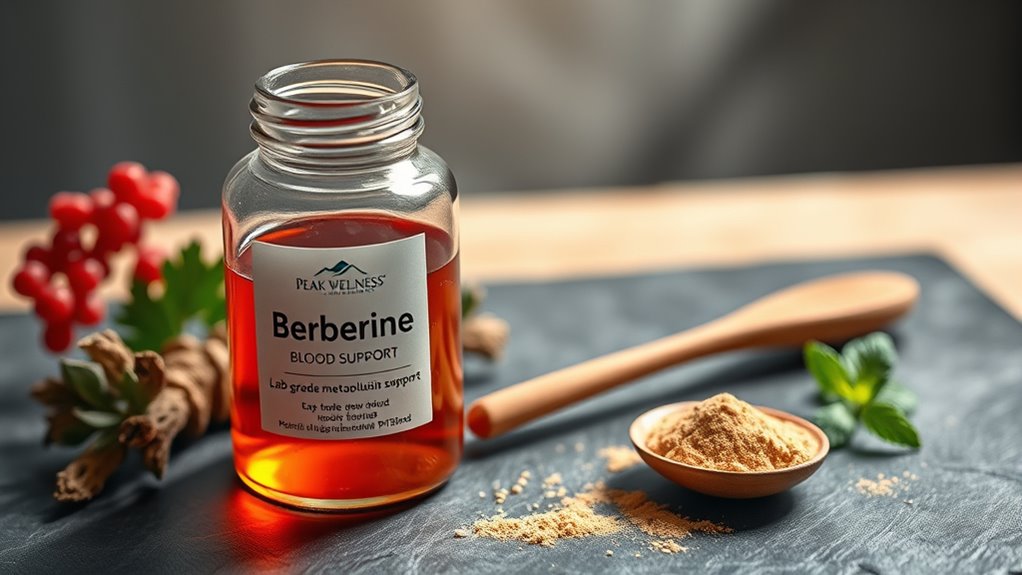
Curious how a supplement can influence metabolism? Berberine acts at the cellular level to support metabolic pathways involved in glucose handling and fat oxidation. It can activate AMP-activated protein kinase (AMPK), a master regulator of energy use, which helps optimize how your body processes glucose and fats. By improving insulin sensitivity and promoting mitochondrial efficiency, the formula supports steady energy release rather than spikes. You may notice improved calorie control as the body favors efficient fuel use, contributing to a more stable energy balance. This doesn’t replace healthy habits, but it complements them by helping your metabolism run more smoothly. Evidence from controlled studies suggests modest, clinically relevant effects when used as part of a balanced approach.
Daily Use and Timing Tips
How should you time berberine for best support? Consistency matters, so embed it into daily rituals and follow evidence-informed timing strategies. Take berberine with meals to help slow carb absorption and support post-meal glucose control. Use the dose recommended on the label or by your clinician, and avoid mega-dosing or splitting doses unnecessarily unless advised. Pair with fiber- and protein-rich meals to maximize benefits and minimize GI upset. Monitor how you feel and adjust timing around workouts if you notice energy shifts. Keep caffeine intake steady and stay hydrated to support absorption.
- Take with meals to align with carbohydrate intake
- Use the same daily schedule for consistency
- Align dosing with workouts when relevant
- Reassess timing if GI symptoms occur
Benefits Beyond Glucose Management
Beyond glucose control, berberine may support broader wellness by promoting metabolic health markers like lipid balance and inflammatory responses. You may notice potential benefits in energy regulation and gut health, which can influence overall well-being. This section highlights the evidence that berberine’s effects extend beyond blood sugar, while remaining mindful of study quality and limitations.
Broader Wellness Benefits
Berberine isn’t just about managing glucose; it also supports broader wellness by promoting healthy lipid profiles, reducing inflammatory markers, and aiding gut microbiome balance. You’ll notice effects beyond blood sugar as you adopt mindful habits and consistent routines. This section highlights four practical benefits you can feel over time.
- Improved lipid balance supports cardiovascular comfort and energy.
- Lower inflammatory markers may correlate with steadier daily comfort and recovery.
- Gut microbiome balance supports digestion, mood stability, and nutrient use.
- Calorie awareness and portion mindfulness often improve with structured routines and stress management.
Supports Metabolic Health
Metabolic health benefits from berberine go beyond glycemic control, supporting how your body handles fats, inflammation, and energy use. You’ll notice improved lipid handling, steadier energy, and better inflammatory markers, which together help your overall metabolic profile. Research suggests berberine may activate AMPK, promoting fat oxidation and glucose utilization, while supporting liver and gut health. These effects can complement calorie counting goals and sleep quality, helping you stay on track without sacrificing vitality. In practice, consistency matters most, paired with a balanced diet and exercise routine. Below is a quick visual to keep you engaged and focused on metabolic health outcomes.
| Benefit | Mechanism | Practical Tip |
|---|---|---|
| Fat metabolism | AMPK activation | Pair with fiber-rich meals |
| Inflammation | Anti-inflammatory signaling | Include omega-3 sources |
| Energy use | Glucose uptake improvement | Space meals evenly |
Safety, Interactions, and Considerations

Is berberine safe for most people, and what should you watch for before adding it to your routine? You’ll want to know about safety considerations and potential interaction cautions. Berberine can interact with medications that lower blood sugar or affect liver enzymes, so check with a clinician if you’re on metformin, statins, or anticoagulants. While generally well tolerated, some people may experience GI upset, headaches, or dizziness. Start with a low dose and monitor response, especially if you’re pregnant, breastfeeding, or have liver or kidney concerns. Do not exceed recommended doses, and avoid with supplements that affect glucose or p-glycoprotein activity.
- Monitor glucose and liver function as advised
- Review meds for interaction cautions with your clinician
- Start low, go slow, and titrate carefully
- Watch for GI symptoms and discontinue if severe
Real-Life Success Stories and Reflection
Have real-life results surprised you, or did you expect steady, gradual benefits from berberine? You’ll read honest, evidence-based notes from users who tracked fasting glucose, HbA1c, and energy shifts. Real life anecdotes highlight modest, sustained improvements rather than dramatic swings, reflecting individual variability and adherence. Injections of practical reflection insights show how timing, meals, and consistency influence outcomes, not miracle cures. Consider these patterns alongside clinical data: gradual refinements in glycemic markers often accompany lifestyle changes. Table imagery complements the narrative, guiding your intuition about daily routines and berberine’s role.
| Morning routine | Midday guidance | Evening wind-down |
|---|---|---|
| 5g berberine before breakfast | Low-carb lunch, 15g fiber | Light activity, sleep prep |
Common Questions
How Quickly Does Berberine Start Affecting Glucose Readings?
Berberine timing varies, but you may notice glucose impact within days to a few weeks of consistent use. In studies, some folks see modest drops in fasting glucose after about 4 weeks, with more pronounced effects around 8–12 weeks. Take dose as directed with meals, monitor your readings, and discuss changes with your clinician. Individual response depends on factors like diet, exercise, and medications. Track patterns to gauge whether adjustments are needed.
Can Berberine Interact With Common Diabetes Medications?
Yes, berberine can interact with diabetes medications. You should know Berberine Drug interactions exist, including potential additive blood-glucose-lowering effects when combined with insulin or metformin. Monitor your glucose closely and consult your clinician before starting or adjusting any diabetes medication. In addition, you may need dose adjustments. Be aware of diabetes medication cautions, such as hypoglycemia risk, liver or kidney concerns, and hold if you notice unusual symptoms. Always seek professional guidance.
Is Berberine Safe for Long-Term Use Beyond 12 Weeks?
Berberine safety for long term use is not fully established; evidence suggests potential benefits, but risks exist with extended use. You should monitor bowel changes, liver enzymes, and interactions with prescriptions. Long term use should be discussed with your clinician, especially if you have diabetes or take glucose‑lowering meds. If you decide to continue beyond 12 weeks, plan periodic re-evaluation, consider standardizing doses, and use only high‑quality Berberine products. Always prioritize safety and evidence‑based guidance for Long term use.
Do Genetics Influence Berberine’s Effectiveness on Blood Sugar?
Genetics influence how berberine works for you, and individual response varies. You may carry variants that affect absorption, metabolic pathways, or insulin signaling, altering berberine effectiveness. Trusted studies suggest modest, real-world benefits with dosing that matches your genetics, lifestyle, and medical guidance. You can monitor glucose closely and adjust under a clinician’s supervision. While genetics aren’t the sole determinant, understanding them helps tailor therapy, ensuring safer, more consistent outcomes.
Are There Approved Alternative Dosages for Different Body Weights?
Yes, there isn’t an approved universal dosage by body weight, but weight-based guidance and bodyweight considerations are commonly used in practice. Start with standard doses, then adjust cautiously, monitoring blood sugar responses and tolerability. Two word discussion ideas: weight based, dosageadjustment. If you’re larger or smaller than average, you may need slight adjustments, but avoid drastic changes. Consult a clinician before changing doses, especially if you have diabetes meds or kidney issues. Evidence supports careful, individualized dosing rather than fixed, one-size-fits-all amounts.
All Together
You’ll feel steadier energy as berberine helps your cells use sugar more efficiently. If you worry about GI upset, take it with meals and pair it with fiber and protein to soften the impact. Picture calm mornings: fewer spikes after carbs, more consistent momentum through the day. While science supports AMPK activation and reduced hepatic glucose production, this isn’t a miracle pill—consistency, balanced meals, and active routines still drive real, lasting metabolic stability.
Take that next step now and let Peak Wellness Berberine Blood Support become part of your daily routine. You deserve days with steadier energy, clearer focus, and the confidence that comes from taking control of your health. Stay committed, and watch how small, consistent choices add up to meaningful progress you can feel—and celebrate.