
When you’re evaluating anti-inflammatory nutrients for heart health, four names often come up: turmeric (curcumin), boswellia, ginger, and quercetin. Each offers distinct pathways to reduce inflammation and support vessels, from curcumin’s targeted biomarkers to boswellia’s 5-lipoxygenase block. You’ll want standardized extracts, careful drug interaction checks, and products backed by third-party testing. If you’re aiming for safer cardiovascular support, the details matter—and there’s more to consider beyond the basics.
Key Points
- Curcumin (turmeric) targets inflammatory markers and supports endothelial health in the heart.
- Boswellia inhibits 5-lipoxygenase, reducing vascular inflammation and improving circulation.
- Quercetin supports vascular signaling and can aid endothelial function and anti-inflammatory responses.
- Omega-3 fatty acids (EPA/DHA) modulate inflammation and support heart rhythm and lipid balance.
- Magnesium and CoQ10 pair to reduce oxidative stress and sustain heart energy, improving overall cardio inflammation status.
Heart Support and Blood Flow Supplement (120 Capsules)
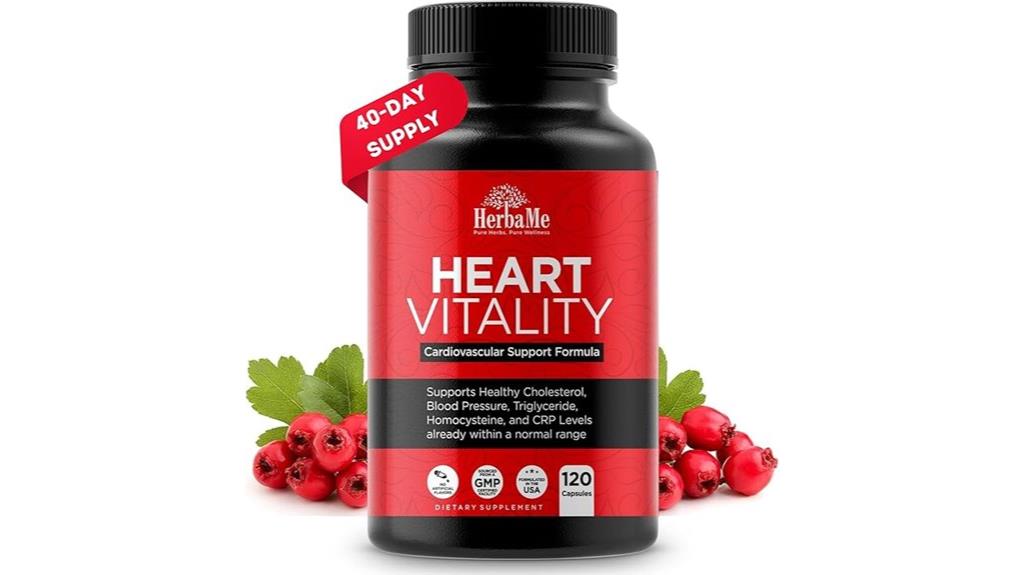
If you’re focused on supporting cardiovascular health and steady blood flow, the Heart Support and Blood Flow Supplement (120 Capsules) is a strong pick. This formula backs cardiovascular health, balanced cholesterol, triglycerides, homocysteine, and CRP levels while boosting natural circulatory function. Daily use delivers natural vitamins, minerals, and herbal ingredients designed to support circulation, nutrient delivery, and sustained energy. Key nutrients like folate, calcium, and magnesium work with revitalizing elements such as L-Citrulline, L-Arginine HCl, MSM, and L-Carnitine to support mind and body over time. Formulated in the USA, GMP-certified, and third-party tested, it suits active, heart-conscious lifestyles. Satisfaction guaranteed.
Best For: Individuals seeking support for cardiovascular health and improved blood flow as part of a heart-conscious, active lifestyle.
Pros:
- Supports cardiovascular health, cholesterol, triglyceride, homocysteine, and CRP levels
- Includes revitalizing ingredients (L-Citrulline, L-Arginine HCl, MSM, L-Carnitine) for circulation and energy
- Lab-tested, USA-formulated, GMP-certified, with 3rd-party verification and satisfaction guarantee
Cons:
- May require consistent daily use to notice benefits
- Some users may experience digestive adjustments when starting new supplement regimens
- Not a substitute for medical treatment or lifestyle changes for cardiovascular conditions
Heart Rhythm Support Supplement with CoQ10, Magnesium & Vitamin C
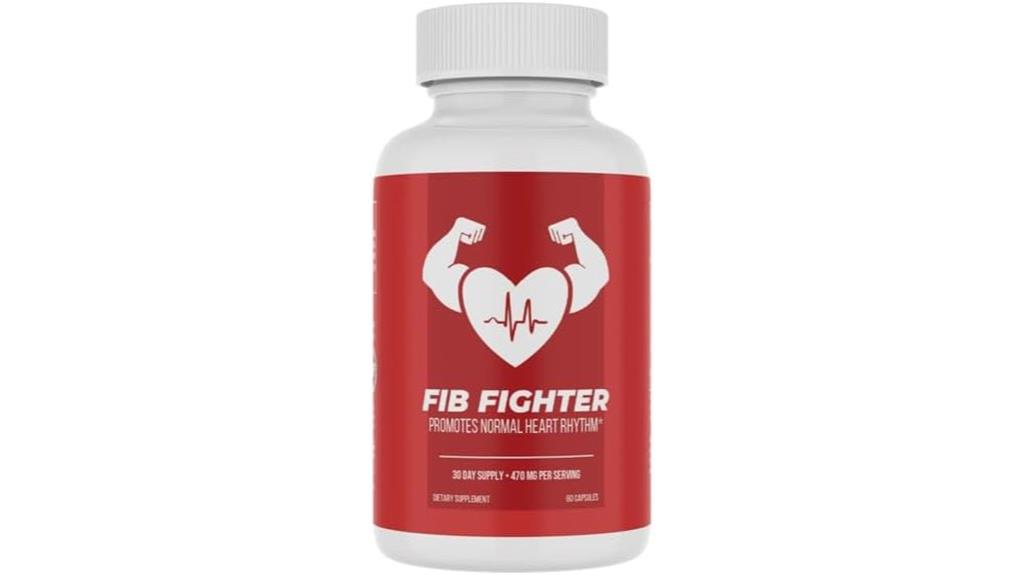
If you’re managing mild arrhythmia symptoms, this Heart Rhythm Support Supplement could be your go-to choice. Doctor-developed, it blends CoQ10, magnesium, and vitamin C to support a steady heartbeat and cardiovascular health. Each serving delivers 100 mg CoQ10 for energized heart cells, 120 mg magnesium for rhythm regulation, and 250 mg vitamin C for antioxidant defense. It’s vegan, non-GMO, USA-made, and produced in a GMP-NSF-FDA-registered facility. Easy to take—2 capsules daily, 60 capsules for a 30-day supply. Designed for long-term use and compatibility with most medications, it targets normal heart rhythm and overall heart function.
Best For: Adults managing mild arrhythmia symptoms seeking a doctor-developed, vegan, and USA-made supplement to support a steady heartbeat and overall cardiovascular health.
Pros:
- Clinically studied ingredients (CoQ10, magnesium, vitamin C) designed to support normal heart rhythm.
- Vegan, non-GMO, gluten-free, and manufactured in a GMP/NSF/FDA-registered facility in the USA.
- Easy 2-capsule daily dosage with a 30-day supply; suitable for long-term use.
Cons:
- May not be suitable for individuals with severe arrhythmias or those on certain medications without medical advice.
- Contains magnesium, which can cause digestive issues in some people at higher intakes.
- Effectiveness can vary; ongoing use is recommended to assess benefits for heart rhythm support.
NutraPro Healthy Heart – Heart Health Supplements
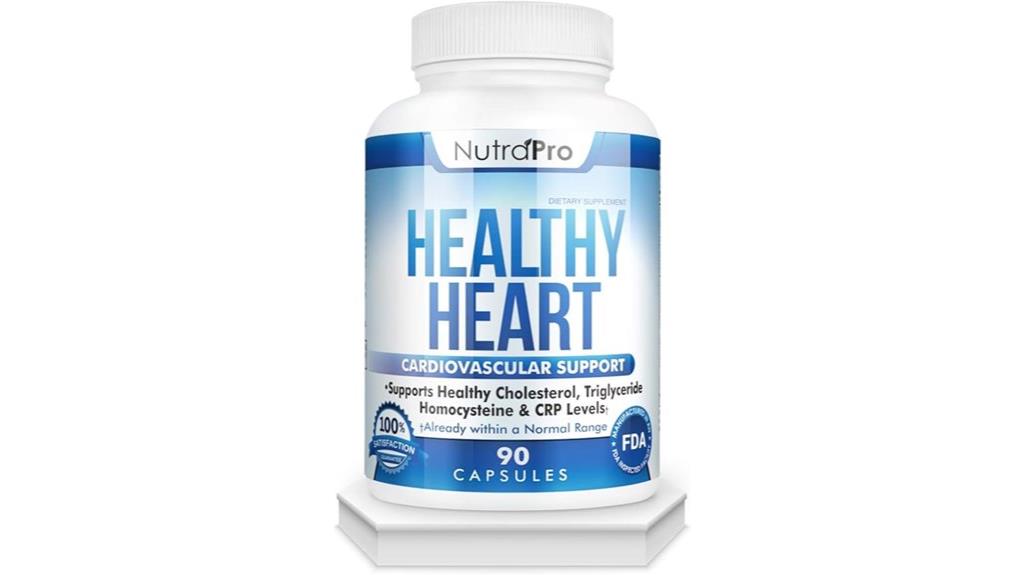
NutraPro Healthy Heart – Heart Health Supplements stands out for anyone seeking a thorough 5-in-1 approach to heart health, including blood circulation, cholesterol, triglycerides, homocysteine, and CRP control within normal ranges. You get a GMP-certified, GMO-free formula built to support heart function with Magnesium, Green Tea Leaf, Hawthorn Berry Extract, L-Arginine, Vitamin B-6, and 17 additional naturals. It’s designed to cleanse and protect arteries while promoting optimal heart performance. Expect long-term wellness from natural heart vitamins, with a 90-day money-back guarantee if you’re not fully satisfied. Buy confidently, knowing your risk is minimized.
Best For: Everyday adults seeking a comprehensive 5-in-1 heart health support to maintain healthy circulation, cholesterol, triglycerides, homocysteine, and CRP levels with a GMP-certified, GMO-free formula.
Pros:
- 5-in-1 approach targets multiple heart health markers (circulation, cholesterol, triglycerides, homocysteine, CRP)
- GMP-certified facility and GMO-free ingredients support quality and safety
- Includes a diverse blend (Magnesium, Green Tea, Hawthorn Berry, L-Arginine, Vitamin B-6 plus 17 naturals) for holistic heart support
Cons:
- May require ongoing use to notice long-term benefits
- Specific ingredient amounts and full label transparency not provided here
- Not a substitute for medical treatment for diagnosed heart conditions
LES Labs Joint Support Supplement (60 Capsules)
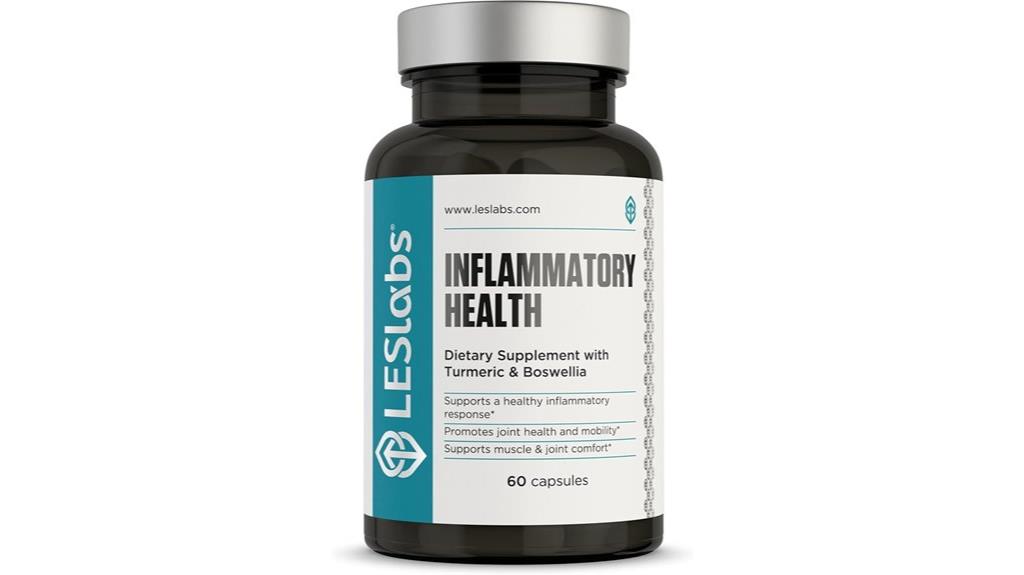
Looking for a drug-free option to support joint mobility and muscle comfort? LES Labs Joint Support provides a non-GMO, USA-made blend designed for joint health and flexible movement. With turmeric, boswellia, quercetin, ginger, and CoQ10, this 60‑capsule bottle aims to support healthy joint and muscle response, comfort, and overall mobility. It’s crafted to promote healthy system processes without diagnosing or treating diseases. Follow label directions for best results, and note the product’s emphasis on quality ingredients and customer happiness. If you want a plant- and enzyme-friendly option that complements an anti-inflammatory approach, this supplement fits that goal.
Best For: Looking for a drug-free, plant-focused option to support joint mobility, muscle comfort, and flexible movement with a USA-made, non-GMO formula.
Pros:
- Non-GMO, USA-made formulation with turmeric, boswellia, quercetin, ginger, and CoQ10
- Drug-free option aimed at supporting joint health and muscle comfort
- May promote healthy joint and muscle response without diagnosing or treating conditions
Cons:
- Not evaluated by the FDA; not intended to diagnose, treat, cure, or prevent any disease
- Effectiveness may vary and requires adherence to label directions
- May interact with other medications or conditions; consult a healthcare professional if needed
Factors to Consider When Choosing Anti-Inflammatory Heart Nutrients
When you choose anti-inflammatory heart nutrients, consider how well they support key inflammatory markers, circulation, and oxygen delivery. Look for core heart nutrients, plus herbal anti-inflammatories and essential minerals and vitamins, to cover both acute needs and long-term support. Prioritize blends that are evidence-based, balanced, and free from unnecessary additives.
Key Inflammatory Markers
Understanding key inflammatory markers helps you choose anti-inflammatory heart nutrients more effectively. You’ll look at CRP, especially hs-CRP, as a gauge of chronic low-grade inflammation linked to cardiovascular risk. Elevated CRP signals higher risk and may steer you toward nutrients with proven anti-inflammatory effects. Homocysteine matters too; when elevated, it associates with endothelial dysfunction and greater heart risk, so consider nutrients that support its metabolism. IL-6 reflects systemic inflammation and can spike with both acute and chronic states, informing how aggressively you pursue anti-inflammatory choices. TNF-α is a pro-inflammatory cytokine that can drive atherosclerosis when chronically elevated, guiding you toward compounds that modulate inflammatory signaling. Fibrinogen elevation marks increased inflammatory and thrombotic potential, influencing your nutrient strategy for cardiovascular protection.
Circulation & Oxygen Delivery
Circulation hinges on healthy endothelial function and smooth muscle relaxation, which widen vessels and boost blood flow to tissues. You want nutrients that support nitric oxide production, so L-arginine and L-citrulline can help vasodilation and better oxygen delivery. Magnesium matters for vascular tone, helping maintain normal vessel function and efficient circulation. CoQ10 fuels cellular energy in heart and vascular tissues, supporting oxygen utilization and steady heart rhythm. Anti-inflammatory nutrients like curcumin, ginger, and boswellia may dampen vascular inflammation that impedes circulation and oxygen transport. When choosing, look for evidence of endothelial support, nitric oxide pathways, and mitochondrial energy contribution, alongside anti-inflammatory effects. Consider dosage, bioavailability, and potential interactions with your medications to optimize circulation and tissue oxygenation.
Core Heart Nutrients
Choosing anti-inflammatory heart nutrients means focusing on a core set that supports endothelial function, reduces oxidative stress, and fuels energy in heart tissues. You’ll look for CoQ10, magnesium, vitamin C, and omega-3s as foundational players that lessen oxidative damage and bolster vascular health. L-arginine and L-citrulline are worth considering for nitric oxide production to aid vasodilation and circulatory efficiency. Herbal components like hawthorn berry, turmeric (curcumin), boswellia, and ginger often accompany the core mix for additional anti-inflammatory and vessel-supporting effects. B-complex vitamins, especially B6 and folate, help with homocysteine metabolism, a cardiovascular inflammation factor. Prioritize purity (non-GMO, minimal additives), balanced dosing, and evidence-backed ingredients to support long-term heart health while mitigating inflammation. Choose combinations with transparent labeling and real-world potency.
Herbal Anti-Inflammatories
Herbal anti-inflammatories can boost heart health, so it helps to pick smartly among turmeric, boswellia, ginger, and quercetin. When you choose, look for standardization that shows the active compound percentage, such as curcumin in turmeric or boswellic acids in Boswellia. Check for potential supplement-drug interactions, especially if you’re taking anticoagulants, statins, or blood pressure meds. Quality matters: seek non-GMO, US-made products with third-party testing to verify potency and purity. Each herb works differently—curcumin targets inflammatory markers, boswellia may inhibit 5-lipoxygenase, and quercetin supports vascular health and signaling. Ginger contributes anti-inflammatory effects as well. Balance expectations with evidence from reputable sources, and prefer products with transparent labeling and verified batch testing.
Essential Minerals & Vitamins
Essential minerals and vitamins play a pivotal role in supporting anti-inflammatory heart health, but choosing them wisely means balancing the nutrients you need with potential interactions. You’ll want magnesium to help regulate heart rhythm and vascular tone, and potassium to support fluid balance and blood pressure. Vitamin C acts as an antioxidant and aids collagen synthesis, while B vitamins, including B6, back energy metabolism and homocysteine regulation. CoQ10 serves as a mitochondrial antioxidant, supporting heart cell energy and reducing oxidative stress linked to inflammation. L-arginine and L-citrulline boost nitric oxide production, potentially improving endothelial function and lowering inflammatory markers in vessels. Balance matters: pair magnesium with calcium and vitamin D to support vascular health without electrolyte disturbances.
Safe Dosage Guidelines
To use anti-inflammatory heart nutrients safely, follow label directions or your clinician’s dosage recommendation, since these supplements often specify exact daily amounts. Start with the lowest effective dose and monitor for gastrointestinal upset, headaches, or changes in blood pressure, adjusting only if advised. Be mindful of cumulative intake when combining multiple supplements (e.g., curcumin, ginger, or omega-3s) to avoid excessive total anti-inflammatory dosing. Consider time-of-day guidance (some ingredients may be better tolerated with meals) to optimize absorption and minimize digestive side effects. Check for upper daily limits or proven safe ranges for key nutrients (e.g., CoQ10, magnesium, omega-3s) and avoid exceeding established safe thresholds. Maintain ongoing communication with your clinician to tailor dosing as your needs evolve.
Quality & Purity Standards
When choosing anti-inflammatory heart nutrients, prioritize products made in GMP-certified facilities to guarantee consistent quality and process control. Look for third-party lab testing to confirm purity, potency, and absence of contaminants, and rely on those results over marketing claims. Check that ingredients are non-GMO and suitable for vegan or vegetarian diets if that matters to you. Favor formulations backed by quality-in-use evidence for nutrients like curcumin, omega-3s, and quercetin, ensuring you’re choosing clinically supported options. Clear labeling matters: verify the active ingredient amounts per serving and the total daily dosage to assess true potency and value. A transparent label helps you compare products confidently and make informed decisions about your heart-nutrition plan.
Long-Term Heart Wellness
Long-term heart wellness hinges on consistent, thoughtful choices about anti-inflammatory nutrients. To sustain benefits, focus on compounds like omega-3s, polyphenols, and minerals that curb chronic low-grade inflammation linked to atherosclerosis. You’ll want evidence that magnesium, CoQ10, and vitamin C support vascular function and antioxidant defenses, promoting healthier endothelial performance over time. Keep in mind that consistent use may help modulate biomarkers such as CRP, homocysteine, triglycerides, and overall cholesterol profiles when paired with a balanced lifestyle. Durability depends on bioavailability, dosing adequacy, and formulation quality, so consider absorption-enhancing factors and reliable sourcing. Adopt a holistic strategy: anti-inflammatory dietary patterns, regular activity, and proactive risk-factor monitoring to sustain long-term heart health.