
You may not realize that after lunch your brain uses glucose differently, which can slow your processing speed and make you feel sleepy. This mid‑afternoon dip is shaped by insulin changes, circadian cues, and light exposure, not just fatigue. If you notice it, you’ll find that what you eat, how hydrated you are, and when you move can shift the drop—and small adjustments might keep you effectively alert into the late afternoon.
Key Points
- Post-meal insulin changes reduce cortical arousal, slowing processing and triggering afternoon sleepiness.
- Circadian phase and daylight cues interact with lunch timing, amplifying mid-afternoon dips.
- Meal composition (high fat/high carb) and sleep debt heighten the depth and duration of the slump.
- Hydration, light exposure, and strategic breaks help counteract the dip by sustaining alertness.
- Individual factors like sleep quality, caffeine tolerance, and metabolic health shape the slump’s magnitude.
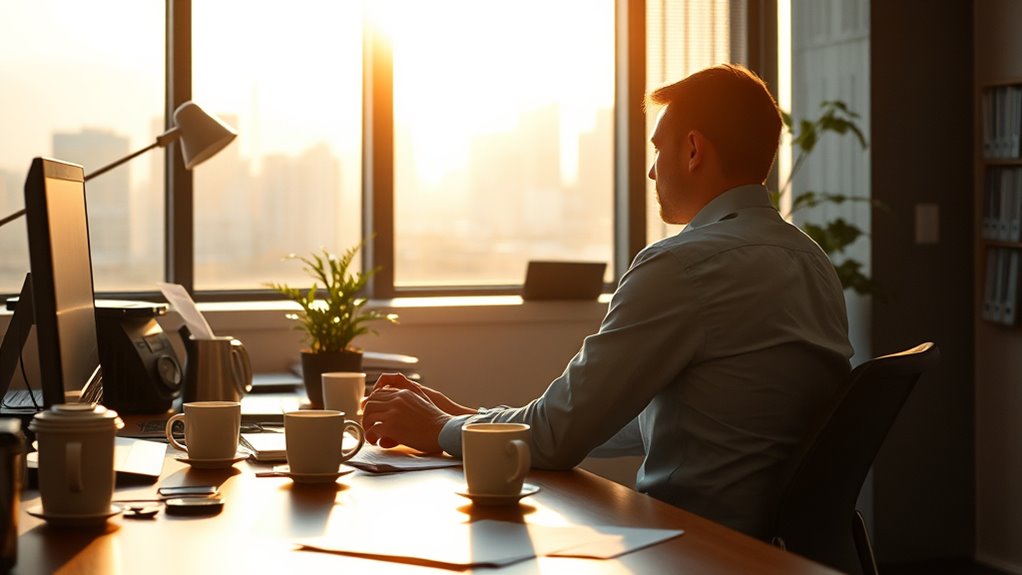
Many people experience a daily dip in alertness after lunch, a pattern supported by multiple studies showing a measurable drop in cognitive performance and physiological arousal in the hours following midday. You’re not imagining the slump; your body’s circadian rhythm and postprandial processes interact to lower vigilance, slower reaction times, and reduced working-memory capacity for a window after noon. This pattern is consistent across age groups and occupational contexts, though individual magnitude varies with lifestyle, sleep quality, and meal composition. The data indicate a robust, repeatable decline in sustained attention tasks and executive function tests during this period, with more pronounced effects when sleep debt or high-fat, high-carbohydrate meals are involved. You can quantify it: performance metrics tend to rebound as you approach late afternoon, yet the trough often aligns with typical work demands, explaining why concentration ebbs during back-to-back meetings or routine administrative tasks.
Two interlocking mechanisms help explain why you feel this way. First, postprandial somnolence arises as insulin release reshapes glucose availability to the brain, potentially reducing cortical arousal. Second, light exposure and circadian phase contribute; without sufficient daytime cues, your internal clock drifts toward a lower alertness state in the mid-afternoon. This is not merely subjective fatigue; objective measures show slower saccadic speed, longer reaction times, and incremental increases in error rates. Individual differences emerge from sleep quality, caffeine tolerance, and overall metabolic health, but the core trajectory remains consistent: a measurable decline after lunch followed by partial recovery later in the afternoon.
Two mechanisms explain the post-lunch dip: postprandial somnolence and circadian-driven drift toward lower alertness.
To impact this pattern, consider targeted behavioral adjustments rather than broad, vague remedies. Afternoon hydration supports cognitive performance by maintaining plasma osmolality and facilitating neural signaling; even mild dehydration can exacerbate attention lapses. You’ll benefit from sipping water regularly, not just when thirsty, to sustain a steadier attentional baseline. Sunlight exposure also plays a critical role. Brief morning or midday outdoor light exposure helps realign your circadian phase, increasing daytime alertness and potentially dampening the depth of the post-lunch trough. If your environment limits outdoor time, bright artificial light in the workspace can partially substitute, though natural light remains superior for metabolic and mood regulation.
Meal composition matters. You don’t need to fear carbohydrates entirely, but you may optimize by balancing macronutrients: moderate portions, protein and fiber-rich components, and a lower glycemic load at lunch can blunt the immediate postprandial dip. Caffeine timing can offer a therapeutic window when used judiciously, avoiding late-afternoon interference with sleep. Short, structured breaks—movement, quick stretches, or a brisk walk—can disrupt the downward slope by reactivating cardiovascular and cerebral arousal. In sum, you can mitigate afternoon energy slumps through strategic hydration, optimized light exposure, mindful nutrition, and activity breaks, anchored by awareness of your own circadian and sleep-related variability.
Common Questions
Can Caffeine Worsen Afternoon Slumps Over Time?
Caffeine can worsen afternoon slumps over time for some people. You may develop caffeine dependence and tolerance escalation, meaning you need more to feel the same lift. Regular use can disrupt sleep, alter adenosine signaling, and shift circadian rhythms, amplifying daytime fatigue when caffeine wears off. If you skip doses, you might experience rebound tiredness. To minimize effects, limit daily intake, avoid late-afternoon caffeine, and consider alternatives like light exposure or short, strategic naps.
Do Genetics Determine Susceptibility to Energy Dips?
Like a compass spinning before a fault line, you wonder if genetics determine energy dips. Yes, to an extent: genetic markers and metabolic profiles shape susceptibility, but aren’t destiny. You may carry variants influencing caffeine processing, glucose clearance, and circadian rhythms, yet environment matters. Your story combines genetic markers with lifestyle data, and you’ll likely see modest, population-wide effects rather than uniform outcomes. Track metabolic profiles, adjust routines, and consider personalized guidance for best results.
Is Screen Time a Primary Cause of Midday Fatigue?
Screen time is not typically the primary cause of midday fatigue, but it can contribute when it disrupts sleep, posture, or exposure to blue light at night. You may experience cumulative daytime sleepiness if you consistently replace restorative rest with screen use. Evidence suggests moderating evening screen exposure, taking breaks, and aligning light exposure with circadian rhythms reduces midday fatigue. Prioritize regular sleep, hydration, and movement to counteract energy dips effectively.
Can Exercise Timing Prevent Afternoon Energy Slumps?
Exercise timing can dramatically reduce midday fatigue if you align workouts with your body’s rhythms. You’ll likely feel more alert when you train during your peak energy window and wind down afterward, avoiding crashes. The data show moderate aerobic or strength sessions before a post-lunch lull can sustain performance and mood. Keep sessions consistent, monitor cues, and adjust timing to optimize energy, rather than pushing through slump-inducing stretches.
How Do Sleep Disorders Trigger Daytime Fatigue?
Sleep disorders trigger daytime fatigue by disrupting sleep quality and duration, leading to insufficient restorative processes. You may experience circadian disruption, reduced alertness, and mood disturbances, with cascading effects on attention and performance. Evidence links obstructive sleep apnea, insomnia, and hypersomnia to higher daytime fatigue, cognitive slowing, and irritability. Treating sleep disorders often improves daytime energy, stabilizes mood, and restores circadian alignment, underscoring the need for diagnosis, behavioral changes, and, when appropriate, medical interventions.