
Like a steady drumbeat you’ve heard before, stress can echo through circulation if you don’t pace it. You’ll want brief mindfulness checks or CBT-style reframes to keep your sympathetic surge in check, plus slow diaphragmatic breathing (4-1-6) to boost vagal tone. Stay active with brisk walks, hydrate, and fuel with fiber, healthy fats, and lean protein. Keep a calm sleep routine and note cues like cold hands or feet to spot improvements as you go.
Key Points
- Practice brief mindfulness or cognitive-behavioral techniques daily to reduce sympathetic dominance and support endothelial function.
- Use slow diaphragmatic breathing (4-1-6 pattern) for 5 cycles twice daily to boost vagal tone and perfusion.
- Engage in moderate activity most days (20–30 minutes) and do leg movements during sedentary tasks to improve venous return.
- Eat fiber-rich foods with healthy fats and lean proteins, limit sodium and refined sugars, and stay hydrated to maintain vascular health.
- Establish a consistent sleep routine and track mood, energy, and cold hands/feet to monitor progress and stability.
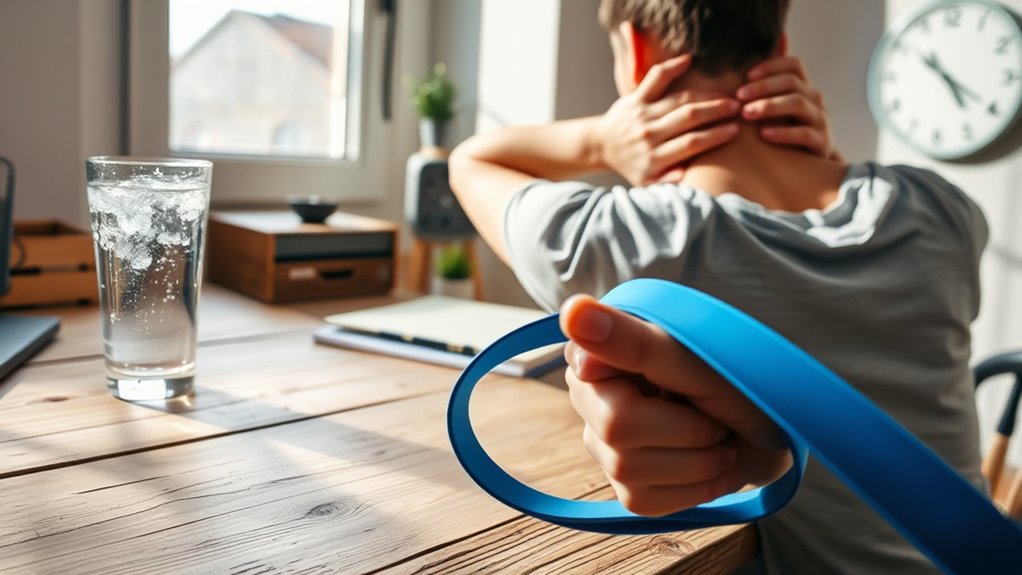
During stressful weeks, your circulation can feel the strain, but small, evidence-based steps can help keep blood flowing efficiently. When stress rises, your body releases hormones that raise heart rate and tighten blood vessels. That response can transiently reduce blood flow to extremities and contribute to feelings of numbness, cold, or fatigue. The goal isn’t to eliminate stress, but to counter its vascular effects with practical actions you can repeat daily.
During stressful weeks, small, evidence-based steps help blood flow stay steady.
First, incorporate stress management techniques that have demonstrated benefits for autonomic balance. Short, regular practice of mindfulness or cognitive-behavioral strategies can lower sympathetic output and improve endothelial function over time. You don’t need hours; a 5 to 10 minute session before meals or after waking can help maintain a steadier vascular tone. Combine awareness with simple body checks: notice where tension concentrates, then slowly release it. Consistent practice yields cumulative improvements in how your circulatory system responds to daily stressors.
Breathing exercises, as a core component of many stress-management programs, provide immediate, observable effects on circulation. Slow diaphragmatic breathing, for example, can lower heart rate and reduce variability in blood pressure. A practical pattern is inhaling through the nose for a count of four, holding for one, and exhaling through pursed lips for six. Repeat for five cycles, twice daily. This approach supports vagal tone and promotes more even perfusion during periods of tension. If you experience dizziness, shorten the cycle and increase rest between reps. Breathing exercises are safe in most cases and can be integrated into breaks at work or home.
Beyond mental strategies, physical activity directly improves circulation by promoting venous return and capillary density. If you’re able, aim for moderate activity most days—a brisk 20 to 30 minute walk, light cycling, or resistance exercises using body weight. Even short bouts of leg movement during sedentary tasks—ankle circles, calf raises, or standing marches—beat prolonged immobility and help prevent stasis in the legs. Hydration matters, too; dehydration thickens blood slightly and can worsen perceived fatigue and dizziness during activity.
Nutrition supports vascular health as well. Prioritize a balanced intake of fiber-rich foods, healthy fats, and lean proteins. Limit excess sodium and refined sugars that can raise blood pressure transiently. If you drink alcohol, moderate it, as higher intake may exacerbate dehydration and blood pressure variability during stressful weeks.
Sleep quality underpins daily resilience and circulatory stability. Establish a consistent bedtime routine, minimize stimulants in the evening, and create a dark, cool environment. When sleep is consistent, your body maintains a steadier autonomic balance, supporting smooth blood flow even when stress spikes.
Track progress with simple notes: mood, perceived energy, and any episodes of cold hands or feet. Over weeks, you’ll notice how small, targeted changes—stress management, breathing exercises, movement, hydration, nutrition, and sleep—collectively support healthier circulation during stressful weeks.
Common Questions
Do Supplements Reliably Improve Circulation During Stress?
Supplements can help some individuals, but they don’t reliably improve circulation during stress for everyone. Evidence varies widely by supplement, dose, and underlying condition. You should view supplements’ efficacy as potentially modest and not a replacement for lifestyle measures. If you’re considering them, discuss with a clinician to assess risks—especially with cardiovascular or thyroid issues. Rely on established strategies first, and use supplements to address specific, documented gaps in stress related circulation.
Can I Reverse Poor Circulation Fast With Exercise?
Yes, you can improve circulation with exercise, often quickly, but “reverse fast” isn’t precise. Start with recovery focused routines and progressive aerobic work, plus occasional strength moves, to boost venous return and capillary flow. Incorporate breathwork strategies to lower stress and enhance oxygen delivery. Consistency matters more than intensity. Track symptoms, stay hydrated, and avoid overtraining. If you have cardiovascular risks, consult a clinician before starting.
Is Caffeine Harmful to Circulatory Health Under Stress?
Yes, caffeine can be safe in moderation, even during stress, but it may heighten anxiety and raise heart rate for some people, so monitor your own tolerance. You should limit intake and avoid late-day caffeine to protect stress circulation. Caffeine safety depends on dose and health status. If you’re sensitive, cut back. Hydration, sleep, and regular movement matter more for circulation during stressful weeks than cups of coffee.
Do Temperature Changes Affect Circulation During Busy Weeks?
Temperature changes can affect circulation during busy weeks, but impacts vary. Moderate, gradual temperature shifts don’t usually cause major issues, yet sudden cold exposure can constrict vessels and raise blood pressure, especially if your stress response is already heightened. You may notice pooled legs or numbness. To minimize effects, keep hydrated, stay active, layer clothing, and avoid extreme temperatures. If you have cardiovascular concerns, consult a clinician for personalized guidance on managing the stress response and circulation.
Should I Avoid Medications That Affect Blood Flow During Stress?
Should you avoid medications that affect blood flow during stress? Not necessarily, but you should be cautious. Some medications can interact with other drugs or alter blood pressure effects, so talk with your clinician before changing anything. You’ll want to consider potential medication interactions and track blood pressure changes closely. If you notice dizziness or rapid shifts, pause and seek guidance. Your safety matters, so consult a pharmacist or provider about options.