
About 1 in 4 adults with peripheral artery disease report leg pain during activity that improves with rest. You might notice fatigue, cool or pale skin, numbness, or cramping that worsens with exertion and eases with rest. Swelling in ankles, shortness of breath with effort, or dizziness on standing can signal broader circulation issues. Persistent changes warrant evaluation—physical exam, vital signs, ABI testing, and possibly stress testing—to gauge blood flow and perfusion.
Key Points
- Fatigue during ordinary activity or after small effort can reflect reduced cellular energy from blunted perfusion.
- Cool, pale skin with slow return to warmth signals peripheral perfusion changes and possible circulation impairment.
- Leg symptoms like cramping with activity that eases with rest indicate a mismatch between demand and blood supply.
- Ankle or foot swelling that worsens through the day may point to venous or lymphatic involvement and fluid balance issues.
- Shortness of breath, dizziness on standing, or cognitive fog can reflect fluctuating cerebral or systemic perfusion.
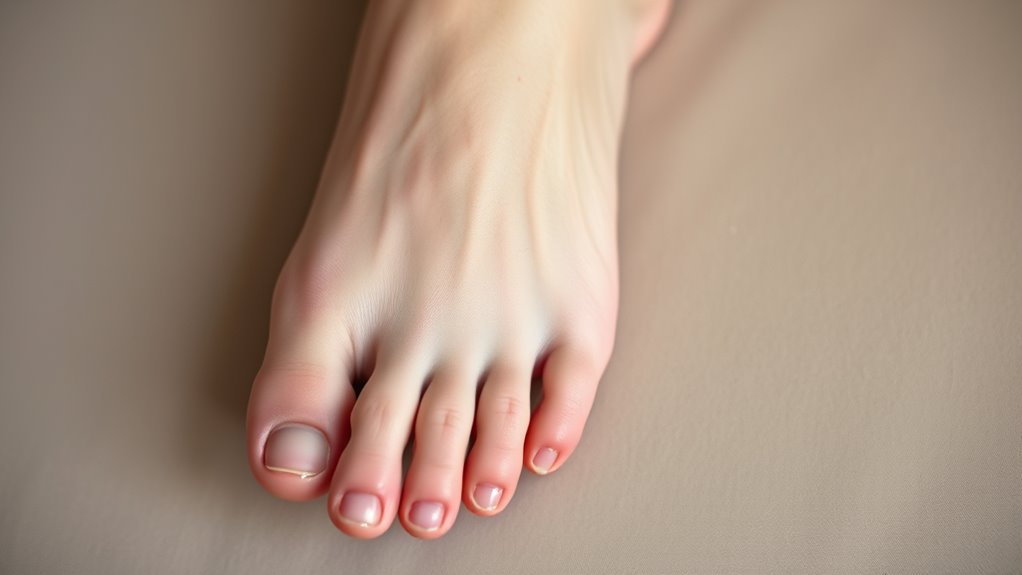
Poor circulation can manifest in subtle and telltale ways, signaling impaired blood flow to tissues and organs. You may notice fatigue signs that aren’t purely about exertion, as reduced perfusion can blunt energy production at the cellular level. Across the body, fatigue may appear with ordinary activity or after minimal effort, reflecting insufficient oxygen delivery to muscles and neural tissue. You’ll want to track patterns: do fatigue signs worsen with heat,–standing, or after meals? Such context sharpens the signal that blood flow changes are at play.
In the limbs, you might observe cool skin, pallor, or a slower return to warmth after exposure to cold. These signs correlate with peripheral perfusion changes and can accompany numbness, tingling, or a baseline heaviness in the legs or arms. You could experience cramping during activity that subsides with rest, which points to demand–supply mismatch in leg muscles. Report these experiences promptly, because early recognition supports timely assessment for vascular or cardiac etiologies.
Systemic indicators also matter. You may notice swelling in ankles or feet that worsens throughout the day, suggesting venous or lymphatic involvement alongside altered capillary dynamics. Persistent shortness of breath with exertion, dizziness upon standing, or chest discomfort warrants urgent evaluation, as they may reflect circulatory stress or cardiac compromise. Cognitive fog or headaches without an alternative explanation can arise from fluctuating cerebral perfusion, though they’re nonspecific and require careful assessment in context.
Recommendations for assessment emphasize a structured approach. A clinician will typically review risk factors such as age, smoking, diabetes, hypertension, hyperlipidemia, and family history, then perform a focused physical exam. Noninvasive tests may include baseline vital signs, pulse oximetry, ankle-bootle–pressure indices for limb perfusion, and imaging if indicated. You may undergo resting and stress tests to reveal functional limitations and blood flow reserve. Documenting symptom timing, triggers, and progression supports differential diagnosis between arterial insufficiency, venous insufficiency, and microvascular dysfunction.
Lifestyle impact is relevant because daily choices influence circulation. Regular physical activity tailored to your capacity improves endothelial function and promotes venous return. Weight management, smoking cessation, balanced diet, adequate hydration, and control of glucose and lipid levels contribute to healthier blood flow dynamics. Avoiding prolonged immobility and maintaining posture can reduce venous stasis. You should incorporate leg exercises or compression as advised by your clinician when appropriate.
All findings, symptoms, and test results inform a clear call to action for medical advice. If warning symptoms appear—severe leg pain at rest, new or worsening shortness of breath, fainting, or unilateral limb swelling with redness—seek urgent care. Until you obtain professional guidance, monitor timing, intensity, and associated factors. Your awareness, paired with timely evaluation, shapes accurate diagnosis and effective management of circulation concerns.
Common Questions
Can Poor Circulation Affect Sleep Quality or Dreams?
Yes, poor circulation can affect sleep quality and dream impact. You may notice more nighttime awakenings, restless legs, or uncomfortable sensations that disrupt sleep and reduce sleep quality. Circulation issues can alter oxygen delivery and nerve signaling, influencing dream recall or intensity. You might experience dreams with heightened vividness as your body tries to process discomfort or stress. If persistent, seek evaluation for vascular or sleep disorders to address the circulation connection and improve overall sleep.
Do Cold Hands Indicate Heart Disease or Just Circulation?
Cold hands can reflect benign factors or underlying problems; they don’t definitively prove heart disease, but they can be a clue about heart health. You should consider broader diagnostic cues, including persistent or accompanied symptoms. If concerns arise, seek evaluation of blood flow and cardiovascular risk. In short, cold hands warrant attention, but aren’t a standalone diagnostic. Monitor for associated signs, and discuss with your clinician to assess heart health and possible diagnostic cues.
Can Circulation Problems Cause Headaches or Migraines?
Yes, circulation problems can contribute to headaches or migraines. You may experience reduced cerebral perfusion or vascular changes that trigger headache mechanisms, especially if you have underlying vascular risk. Some headaches arise from migraine mechanisms linked to altered blood flow and neurovascular coupling. Be mindful of migraine triggers, such as stress, sleep disruption, or dehydration, which can compound symptoms. If headaches persist, seek evaluation for cardiovascular risk and discuss targeted treatment options with your clinician.
Are There Quick Tests I Can Do at Home?
Yes, there are quick tests you can try at home, but they’re not a substitute for a clinician. Do simple checks like measuring pulse in your wrist for a full minute, noting color and temperature of toes, and observing swelling. For home checks, use a ruler to assess capillary refill time. Pair these with exercise tips, relaxation strategies, and seek professional evaluation if you notice persistent changes or severe symptoms.
Do Teenagers Commonly Have Circulation Issues?
Teenagers don’t commonly have major circulation issues, but puberty circulation changes can occur. You may notice cold hands, fatigue, or leg cramps during growth spurts. If symptoms are persistent or worsening, seek medical advice promptly. Teen health issues like anemia or venous problems should be evaluated with a clinician. Stay alert for swelling, severe pain, or skin color changes. Early assessment supports prevention. Maintain balanced activity, hydration, and a diet rich in iron and essential nutrients during puberty circulation.