
Imagine a day when your glucose seems unpredictable—rising after lunch, then dipping before dinner. Stimula Blood Sugar is here as a rapid-support tool, pairing fast-acting components with minerals to smooth those spikes and dips around meals, activity, and stress. It’s about giving you a little steadiness when timing and choices feel like they’re pulling you in opposite directions.
You’ll likely want to notice how timing, meals, and readings interact so you can refine how you use it with your clinician. Curious about when it helps most and how to fit it into your routine?
Key Points
- Stimula provides rapid support to stabilize unpredictable glucose spikes and dips around meals, activity, or stress.
- It combines fast-acting components with long-acting minerals for both immediate and sustained glucose balance.
- Use Stimula alongside regular monitoring; start with baseline dosing and reassess patterns within 48 hours.
- Integrate with meals and activity plans, dosing earlier for high-carb meals and closer to mealtime for lighter meals.
- Track logs (meal composition, timing, readings) to identify trends and adjust use with clinician guidance.
What Stimula Blood Sugar Is and How It Works
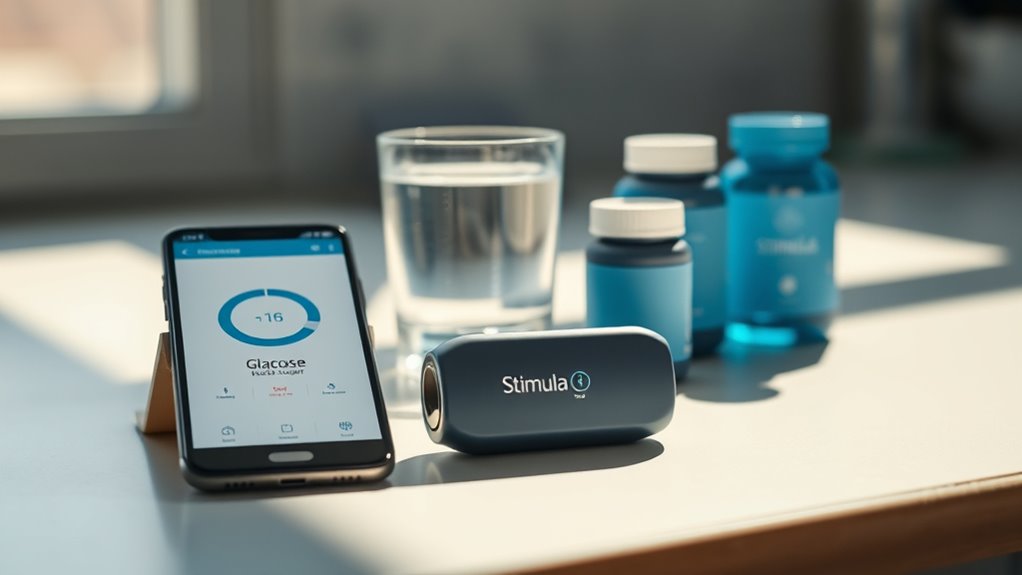
Stimula Blood Sugar is a dietary supplement designed to support blood sugar balance and quick response during fluctuations. You take it to help maintain steady glucose levels when meals, activity, or stress push your numbers around. The formula combines evidence-informed ingredients shown in some studies to influence glucose metabolism and occasional insulin sensitivity, without claiming miracles. You’ll notice it works alongside your routine—not as a replacement for diet or medical care. The product isn’t a universal fix; individual results vary, and ongoing monitoring remains essential. Remember, this description intentionally excludes unrelated topic and irrelevant concept discussions, focusing instead on practicality and verifiable biology. If you have concerns, consult a clinician to align use with your health plan.
Why Unpredictable Glucose Levels Happen
Why do glucose numbers swing unpredictably? You’re not alone if signals don’t line up with meals or activity. Variability often comes from how your body processes carbs, insulin, and hormones, plus factors like sleep, stress, illness, and hydration. Even minor changes in timing or portion size can shift your numbers, especially if you’re sensitive to insulin or taking certain meds. Day-to-day differences in exercise intensity or unplanned activity can trigger unexpected dips or surges. Food choices, including fiber, fat, and protein, influence digestion and glucose release, sometimes creating a random chatter in your meter’s readings. An unrelated topic note: your environment and routine matter. By tracking patterns, you’ll recognize triggers and reduce random chatter in your results.
Key Features That Set Stimula Apart
Stimula stands out with unique benefits that directly support fluctuating glucose, including rapid action and sustained stability. Its core differentiators highlight evidence-based mechanisms, predictable responses, and user-friendly dosing that complement real-world daily swings. Together, these features set Stimula apart by offering clearer, faster relief with fewer variables to manage.
Unique Benefits Highlight
One standout benefit is Stimula’s targeted support for unpredictable glucose swings, thanks to a blend designed to stabilize and respond quickly to spikes and dips. You’ll notice steadier readings as taste testing feedback and mood tracking data align with lower variability. The formulation combines fast-acting components with sustained-release minerals, supporting both immediate relief and longer balance. Evidence-based cues point to reduced post-meal excursions and improved consistency across days. This section highlights a practical view: you can track how signals shift with meals and stress, then see how Stimula helps dampen peaks.
| Benefit | Mechanism | Outcome |
|---|---|---|
| Quick response | Rapid stabilization | Fewer spikes |
| Sustained support | Long-acting minerals | More stable days |
| User data input | Taste testing, mood tracking | clearer trends |
Core Differentiators Summary
While the previous section highlighted how Stimula stabilizes unpredictable glucose swings, this summary focuses on the features that make those results reliable. You’ll notice a proven mechanism: steady-state support paired with rapid response to fluctuations, reducing risk of overcorrection. The formula emphasizes bioavailable components shown to aid insulin sensitivity and glucose utilization, with a clear, evidence-based rationale behind dosing guidance. Third-party data indicate consistent day-to-day performance, even under stress or irregular meals. You won’t find gimmicks here; it’s about reproducible action, traceable quality, and transparent labeling. Some discussions you’ll encounter may drift into unrelated topic or off topic discussion, but the core differentiators stay grounded in measured outcomes. In short, reliability comes from tested ingredients, dosing clarity, and predictable timing.
When to Reach for Stimula During the Day
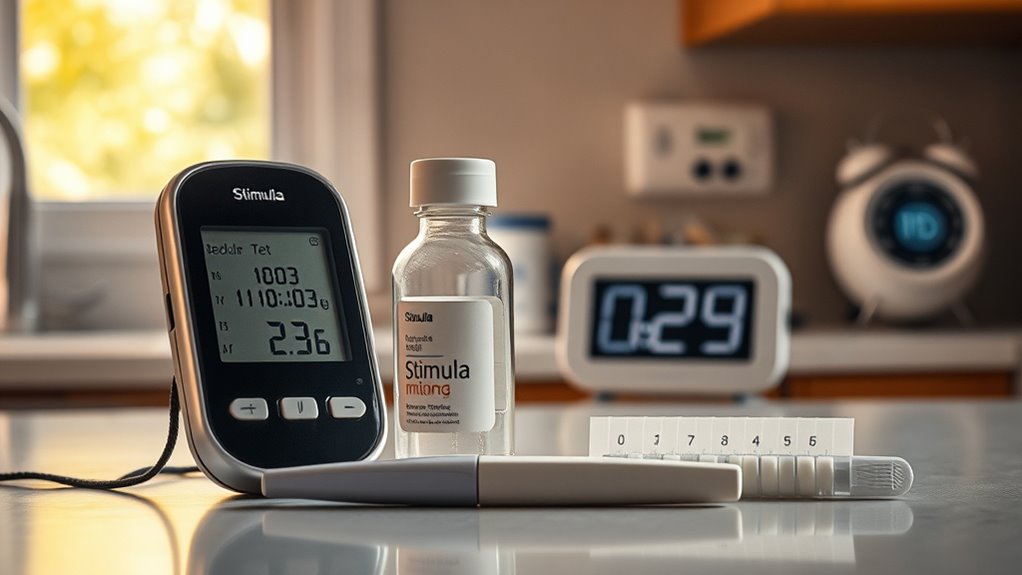
Timing matters: you’ll want to match Stimula use to your meal times, activity, and fasting periods to prevent spikes. Consider how much you’ve eaten, your previous readings, and the labeled dosing guidelines to decide when to dose. Use the quick-use guidelines as a rapid reference to decide if you need a dose now or can wait until your next planned intake.
Timing for Use
When should you reach for Stimula during the day?
Timing matters for predictable support. Use Stimula at moments of rising variability, not as a curtailing remedy after a spike. Start with a baseline, then adjust according to your patterns and activity. If you notice morning fluctuations, consider a mid-morning dose before meals. For afternoon dips, a short interval dose may stabilize levels without overcorrecting. Avoid using Stimula as unrelated topic or unnecessary detail—focus on meaningful, evidence-based triggers. Keep a simple log to track effects and environment. If you’re exercising, you may need a slight adjustment, but don’t exceed recommended amounts.
1) Morning window before breakfast
2) Mid-morning check-in period
3) Pre-activity adjustment
4) Post-lunch review and refine
When to Dose
How often should you dose Stimula during the day? You should time doses around predictable glucose shifts, not as a reaction to every fluctuation. Use a consistent pattern aligned with meals, activity, and sleep, and adjust only after small, evidence-based trials. If you notice stable readings after a week, maintain the same schedule; if variability persists, consider a modest dose adjustment and re-check after 3–5 days. Avoid doubling doses for transient spikes; instead, dose at the lowest effective amount to reduce risk of hypoglycemia. Don’t rely on unrelated topic anecdotes or unconnected theme advice—base decisions on your glucose trend charts and clinician guidance. When in doubt, revert to your documented plan and reassess at your next clinician visit.
Quick-Use Guidelines
Ever wonder when to reach for Stimula during the day? Here are quick-use guidelines that stay concise and evidence-based:
1) Use at the first sign of unpredictable spikes, especially after meals or when you’re stressed.
2) If you’re showing symptoms despite baseline control, consider a timed dose rather than continuous use.
3) Avoid dosing during activities that require high precision or rapid response, to prevent interference.
4) Reassess after 48 hours; if glucose remains unstable, consult your clinician rather than continuing guesswork.
Note: in practice, some readers focus on unrelated topic ideas or off topic ideas when describing routines; stay aligned with clinically relevant cues for best outcomes.
Practical Tips for Using Stimula With Meals
Wondering how to time Stimula with meals for best results? You’ll likely see the most consistent glucose response when you take Stimula with or just before a meal, depending on your product guidance. Start with a fixed portion and monitor after eating, adjusting timing by 15–30 minutes if needed. For high‑carb meals, you may benefit from a slightly earlier dose; for lighter meals, align closer to mealtime. Keep a simple log of meal composition, timing, and your readings to identify patterns. Stability strategies focus on consistency: eat regular portions, evenly distribute carbs, and stay hydrated. Meal timing matters less than consistent application and dose accuracy. Use Stimula as advised, and reassess with your clinician if you notice recurring fluctuations.
Integrating Stimula Into a Broader Diabetes Plan
To integrate Stimula effectively, align it with your overall care plan and share updates with your healthcare team. Pair it with daily monitoring practices to spot trends early and adjust goals as needed. By coordinating treatment targets across medications, lifestyle, and Stimula use, you create a cohesive, evidence-based approach.
Integrating With Care Plan
Integrating Stimula into your broader diabetes care plan means aligning this support with your meds, meals, activity, and monitoring routines so you can respond quickly to blood sugar fluctuations.
- Align Stimula use with prescribed meds and dose timing to avoid interactions and confusion.
- Integrate with meal planning, ensuring timing complements carbs and insulin or other agents.
- Sync activity goals and Stress management to stabilize post-exercise glucose responses.
- Coordinate regular monitoring, using alerts and trend data to adjust the plan and detect patterns, while avoiding unrelated topic or off topic discussion.
This approach keeps you informed, evidence-based, and focused on actionable steps, reducing confusion and supporting consistent glycemic control.
Daily Monitoring Practices
Daily monitoring is about using Stimula alongside your regular glucose checks to spot trends quickly and respond before fluctuations derail you. You’ll track glucose alongside Stimula data to confirm patterns, not just isolated readings. Set a simple routine: one pre-meal check, one post-meal check, and two overnight readings when feasible. Use Stimula as a corroborating signal, not a replacement for lab or fingerstick values. Document how exercise routines affect numbers and how sleep quality correlates with dawn highs or lows. If readings drift, adjust behavior promptly—shorter workouts, timed snacks, or earlier bedtimes—then reassess after 48 hours. Maintain consistency, review weekly, and share trends with your care team. Keep goals measurable and evidence-informed to reduce guesswork.
Coordinated Treatment Goals
How can Stimula be woven into a thorough diabetes plan to optimize outcomes? You align Stimula with your targets, timelines, and team support, ensuring every goal supports tighter glucose control and fewer surprises. In practice, you identify coherence gaps between meds, monitoring data, and lifestyle, then close them with clear handoffs and shared dashboards. Recognize training needs for you and your care circle, so you all interpret trends consistently. Use Stimula as a tool to standardize decisions, not replace clinical judgment. Regularly review outcomes, adjust thresholds, and document deviations. Coordinated goals empower you to act promptly and safely, enhancing adherence and confidence.
- Align targets across care team
- Establish shared monitoring protocols
- Define decision-driven actions
- Schedule periodic plan reviews
Real-World Scenarios: Days When Levels Spiked or Dropped
When your blood sugar spikes or drops, real-world moments can feel unpredictable, but patterns often emerge. You’ll notice that meals, activity, stress, and sleep influence swings, not single events. In practice, follow evidence-based steps: check your CGM alerts, time insulin or fast-acting carbs to align with meals, and hydrate to reduce dehydration-related variability. When you spike after lunch, consider a modest carb choice, a brief walk, and a quick stress check to avoid overcorrecting. If you drop, pause before treating with a sugary snack, recheck after 15 minutes, and adjust next meal balance. Avoid unrelated topic chatter or irrelevant focus that distracts from precise management. Document occurrences to refine your routine and minimize extreme excursions over days.
Monitoring Your Progress and Adjusting as Needed
Regular check-ins with your data help you catch trends early and avoid overcorrecting. You’ll use simple metrics to guide tweaks without chasing every fluctuation, grounding decisions in evidence rather than guesswork. In this section we focus on: discussed topics, avoiding irrelevant angles, and how to translate data into practical steps.
Regular data checks keep trends clear, guiding tweaks with evidence rather than guesses.
- Track daily averages and variability to spot persistent patterns rather than one-off spikes.
- Compare week-to-week data to judge whether changes are truly moving the needle.
- Prioritize adjustments with the strongest, evidence-based impact for you.
- Document responses to tweaks so you can recognize what works and what doesn’t.
Safety, Side Effects, and Helpful Precautions
Is it safe to use Stimula Blood Sugar while you’re managing unpredictable readings? In short, yes for most adults when used as directed, but consider your medical history and current meds. Safety hinges on following label guidance, avoiding interactions, and monitoring response. Report any unusual symptoms promptly. Common side effects, if they occur, tend to be mild and transient, such as digestive upset or headaches, but stop use and seek care if severe reactions appear. To reduce risk, start with a lower dose if advised and track glucose trends closely. Don’t rely on Stimula to replace medical treatment or professional advice. Address safety myths by checking reputable sources and discussing with your clinician before starting, especially if you’re pregnant, nursing, or have chronic illness.
Making Stimula Part of Your Routine for Steady Glucose
Integrating Stimula into your daily routine helps stabilize glucose by providing consistent support alongside diet and activity. To make it a steady habit, focus on predictable dosing and observe glucose impact to adjust timing as needed.
- Establish a fixed daily time for stimula dosing to build consistency.
- Pair dosing with meals or activity to mirror natural glucose fluctuations.
- Track glucose impact after each dose to tailor your routine.
- Review data weekly and adjust timing or quantity with your clinician’s guidance.
Evidence-based practice supports that consistent dosing improves glycemic stability when combined with balanced meals and regular movement. Stay attentive to how your body responds, and refine your routine to sustain steady glucose levels over days.
Common Questions
Is Stimula Blood Sugar Suitable for All Diabetes Types?
Is Stimula suitable for all diabetes? Not necessarily. You should talk with your healthcare provider, because effectiveness and safety depend on type, treatment plan, and blood sugar patterns. For some individuals, it may help with certain aspects like post-meal spikes, but onset timing varies and isn’t guaranteed. You’ll need personalized guidance, monitoring, and potential adjustments to medications. Always use evidence-based advice and consider overall management alongside diet, exercise, and prescribed therapies.
How Quickly Does Stimula Start Working After Ingestion?
How quickly does Stimula start working after ingestion? Onset timing varies, but most people notice effects within 30 to 60 minutes, with peak activity around 1 to 2 hours. Individual factors like meal timing, composition, and your previous glucose levels can influence speed. While some users feel steadier glucose sooner, others may take longer. If you don’t observe adjustments within a few hours, consult your clinician. Stay mindful of recommended dosing and possible interactions.
Can Stimula Replace Insulin or Other Meds?
No, Stimula can’t replace insulin or other prescribed meds. It may support glucose balance, but you should not stop your prescribed therapy. You might notice a coincidental improvement when your meal timing or activity aligns with your regimen, yet this isn’t a substitute. Stimula mechanism interacts with hepatic glucose handling and insulin interaction should be discussed with your clinician. Rely on evidence-based guidance, monitor with your doctor, and adjust only under medical supervision.
Are There Any Long-Term Safety Concerns With Stimula?
There aren’t well-established long term safety concerns for Stimula, but you should watch for unknown risk factors. If you notice dizziness, persistent headaches, or changes in blood sugar, talk to your clinician. Evidence is limited, so don’t replace prescribed meds without guidance. Consider potential interactions with other treatments and underlying conditions. Monitor labs and symptoms regularly, weigh benefits against risk factors, and report any adverse effects promptly to ensure overall long term safety.
What Are Signs Stimula Isn’T Working as Expected?
Gentle euphemism aside, you should notice signs of ineffective use: persistent high or low readings, unexpected swings, or no improvement after the typical dose window. Pay attention to warning flags like dizziness, confusion, or severe sweating. Check dosage timing and consistency, and don’t push doses closer together in hopes of faster relief. If these issues persist, consult a clinician promptly, as adjustments or alternatives may be needed based on your patterns and safety.
All Together
You’ll feel steadier when you treat Stimula like a weather forecast for your meals: a reliable forecast that helps you plan. It’s evidence-based, complementary, and designed to smooth the peaks and valleys without replacing medical care. Track your meals, timing, and readings; adjust with your clinician; and let real data guide you. With consistent use and smart monitoring, you’ll ride the day’s gusts toward calmer glucose, turning unpredictable moments into predictable patterns.
Now is the moment to act like you’re in control of your health. You deserve clarity, steadier energy, and confidence in your day-to-day decisions. Use Stimula as your coaching ally, stay consistent, and let the data guide you toward better decisions that support your goals. Take the next step, and take control of your health, energy, and confidence today.