
Did you know that a balanced diet with steady fiber and hydration supports consistent bowel movements, reducing episodes of constipation or rushing? You’ll stabilize energy, support gut motility, and soften stool through a mix of soluble and insoluble fiber from varied sources, plus adequate fluids. This approach limits abrupt shifts from highly processed foods, helping establish predictable patterns. If you tune portions, timing, and fluid intake over several weeks, you may notice smoother flow—and the clues to optimize further start to align.
Key Points
- Regular meals with steady macronutrient mix support consistent energy and bowel motility, reducing abrupt stool changes.
- Adequate fiber from varied sources balances regularity by using insoluble bulk and soluble softening effects.
- Proper hydration, including fluids with meals, aids stool softness and lubrication for smoother transit.
- A predictable diet pattern with balanced fiber and fluids minimizes reliance on drastic dietary shifts.
- Individual responses vary; monitor changes over weeks to distinguish real improvements from transient discomfort.
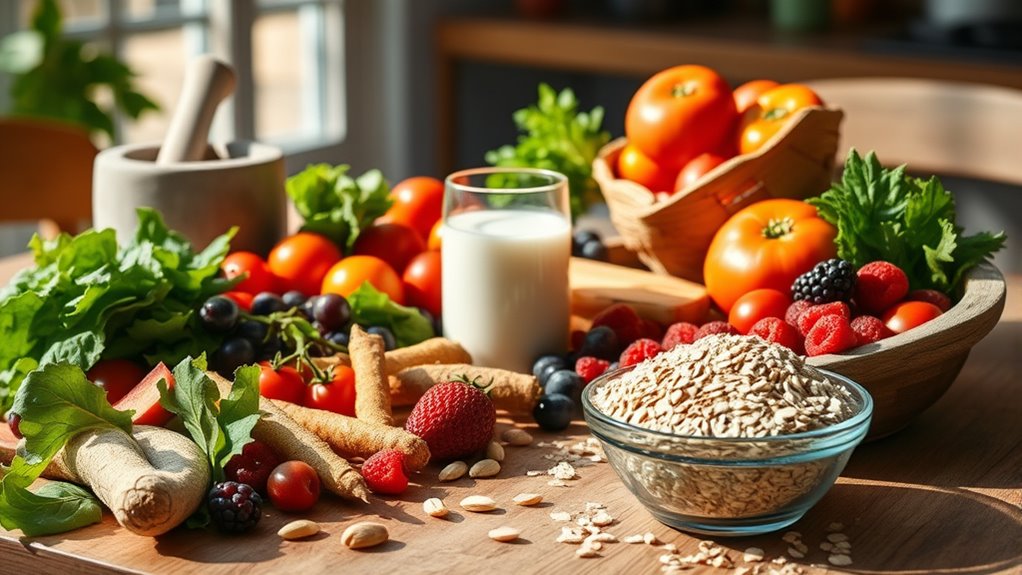
A balanced diet supports smoother flow by providing consistent energy and essential nutrients that help regulate digestion. You’ll discover that how you combine foods, your hydration habits, and your daily fiber intake influence bowel movement patterns in measurable ways. In this evidence-based view, timing and quality matter more than dramatic dietary shifts. A steady pattern of meals helps maintain bowel motility and reduces the likelihood of abrupt changes in stool consistency. You can expect small, practical gains when you align protein, carbohydrate, and fat sources with fiber-rich vegetables, whole grains, and appropriate fluids.
A steady, fiber-rich routine supports consistent digestion and smoother bowel movement patterns.
A core principle is that fiber balance supports regularity without causing distress. Insoluble fiber adds bulk and can speed stool transit, while soluble fiber can soften stools and slow transit slightly, promoting smoother flow across diverse individuals. You’ll want to assess your tolerance to different fibers and distribute intake across meals to avoid concentrated loads that provoke cramping or urgency. Pair fiber with adequate fluids to assist passage and lower the risk of constipation. Over time, you may notice improved stool form and less episodic difficulty if you maintain a balanced mix rather than relying on extreme high- or low-fiber days.
Hydration timing plays a complementary role. Consistent fluid intake supports stool softness and intestinal lubrication, aiding peristalsis. You don’t need excessive amounts daily; rather, you should aim for steady hydration that aligns with activity levels and environmental conditions. Drinking water with meals can help with digestion, but you should avoid large volumes immediately before strenuous activity if you’re sensitive to bloating. Caffeinated beverages and alcohol can influence hydration status, so monitor their net effect on daily fluid balance. In practical terms, spread water intake throughout the day and adjust for heat, exercise, and illness.
You’ll benefit from a predictable, evidence-based pattern rather than ad hoc dieting. A balanced approach includes: regular meal timing, fiber from a variety of sources, adequate fluids, and moderation of highly processed foods that may disrupt gut motility. Your personal response will depend on baseline gut microbiota, hormone signaling, and overall health; these factors influence how quickly you experience changes in bowel habits after dietary adjustments. Monitor outcomes over weeks rather than days to differentiate transient discomfort from meaningful improvements.
Common Questions
How Quickly Can Diet Changes Affect Bowel Movement Regularity?
Your gut can respond quickly, often within days, to diet changes. A quick gut response may emerge as softer stools or more regular timing, while longer-term benefits consolidate over weeks. You’ll likely notice improvements with consistent fiber timing and balanced meals. Aim for steady fiber intake, hydration, and regular eating windows. Individual responses vary, but many experience changes within a week or two, with full normalization over several weeks as gut flora adapt.
Do All Fiber Sources Work Equally for Smoother Flow?
Not all fiber sources work equally for smoother flow. You’ll find differences in how they’re digested and their effects on stool texture. Insoluble fiber adds bulk, speeding transit, while soluble fiber helps soften stools by absorbing water. Your digestion impact varies with type, amount, and overall hydration. For steady results, balance diverse fiber sources (fruits, vegetables, whole grains, legumes) and monitor tolerance, adjusting intake gradually to minimize gas or discomfort.
Can Hydration Alone Replace Dietary Adjustments for Digestion?
Hydration helps, but hydration alone can’t replace dietary adjustments. You’ll likely see better digestion with balanced fiber and fluids, plus timely meals. Hydration limits your relief if you neglect fiber, fat balance, or prokinetic foods. You should maintain diet transparency to track effects and tailor intake. In short, yes to fluids, but no to relying solely on hydration for smoother flow; combine hydration with evidence-based dietary tweaks for optimal results.
Are There Risks With Sudden High-Fiber Intake?
Yes, there are risks with sudden high-fiber intake, including bloating, gas, abdominal pain, and potential bowel discomfort. You may also experience temporary changes in stool frequency or texture as your gut microbiota adapt. To minimize issues, increase fiber gradually, stay hydrated, and monitor tolerance. Be mindful of fasting misconceptions and lactose intolerance, which can complicate digestion. If symptoms persist, consult a clinician to tailor fiber type and amounts to your needs.
Should Medications Impact Diet Choices for Digestion?
Yes, medications can influence your diet choices for digestion. You should consider possible medication–diet interactions and how digestion with medications may be affected, as certain foods or timing can alter absorption or efficacy. Consult healthcare providers about your specific prescriptions, and follow labeled guidance. Balance fiber, hydration, and spaced meals to support consistent digestion while you use medications, and monitor for symptoms that might indicate an interaction.