
You probably don’t realize how quickly nerves and pain can surge your numbers, even if you feel fine. Your body’s fight-or-flight system can kick in with small worries, caffeine, or a cold spell, tightening vessels and boosting heart output in moments. Daily habits—hydration, sleep, meals, nicotine, alcohol—set a baseline tone that makes sudden spikes more likely. Understand the pattern, and you’ll see what to adjust before it matters.
Key Points
- Stress triggers activate the fight-or-flight response, releasing adrenaline and noradrenaline that raise blood pressure briefly.
- Pain stimulates the sympathetic system, causing rapid short-term pressure increases and higher baseline vascular tone with chronic pain.
- Environmental factors like cold, caffeine, nicotine, and alcohol can nudge readings upward, especially with stress or pain.
- Hydration, sleep, and meals affect readings; dehydration, poor sleep, or skipping meals amplify reactive spikes.
- Measurement technique and body position matter; a calm, seated, properly supported position with correct cuff size yields more accurate, consistent readings.
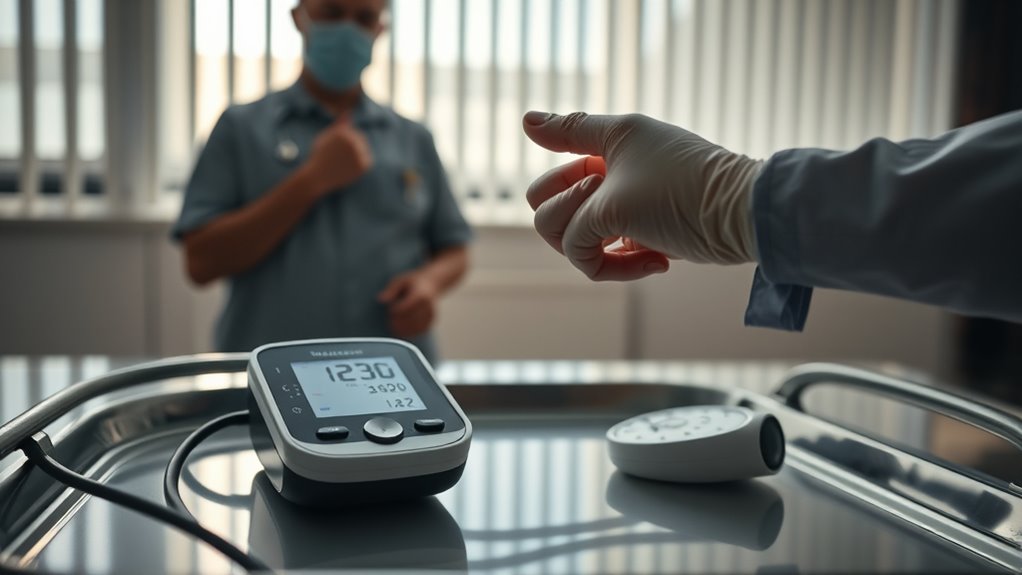
Blood pressure spikes can happen without warning, even in healthy individuals. You should know that these surges aren’t solely about one bad moment; they reflect complex interactions among your nervous system, hormones, and circulating factors. When you face stress triggers, your fight-or-flight response releases adrenaline and noradrenaline, narrowing vessels and elevating cardiac output. Even simple concerns—unexpected news, deadlines, or a tense conversation—can tip the balance and raise systolic pressure briefly. This isn’t inherently dangerous by itself, but repeated spikes can contribute to wear on arterial walls over time if other risk factors are present.
Stress and pain can spur brief blood pressure spikes through your body’s fight-or-flight response.
You’ll also notice that the pain response can influence blood pressure in meaningful ways. Pain activates the sympathetic nervous system, similar to stress triggers, and can cause a rapid, short-term uptick in pressure. If pain becomes chronic, your body may maintain a higher baseline tone, making spikes more frequent or pronounced. That pattern isn’t universal, but it helps explain why two people in similar situations may experience different pressure changes. Understanding this link can guide you toward practical steps, like addressing sources of pain and minimizing unnecessary distress.
Environmental factors matter, too. Cold weather, caffeine, nicotine, and alcohol can all nudge your numbers upward, especially when combined with stress or pain. Even dehydration, sleep loss, or irregular meals can amplify reactive spikes. If you habitually skip meals or mismanage fluids, you might see your readings drift higher after routine activities. You’re more likely to notice spikes during activities that raise your heart rate, such as vigorous exercise, heavy lifting, or sudden exertion following a sedentary period.
Body position and measurement technique are not trivial. You’ll get more accurate readings when you’re calm, seated, and rested for several minutes, with your back supported and feet uncrossed. Ensure you’re not shrinking the cuff or using a small cuff for your arm size, and avoid talking during measurement. Misreadings often occur when you rush, when the cuff is misapplied, or when you’re under acute stress or pain immediately before or during measurement. If you track spikes, use a consistent method and time of day to distinguish normal variability from concerning trends.
Common Questions
Can Blood Pressure Spikes Be Prevented Without Medication?
Yes, you can reduce blood pressure spikes without meds, but it depends on cause and risk. Focus on consistent aerobic exercise, daily sodium control, weight management, sleep, and stress reduction. Monitor caffeine and alcohol, stay hydrated, and address underlying issues. Back-to-back questions about triggers require you to track patterns and adjust early. This approach embraces clinical nuances, emphasizing gradual lifestyle changes and clinician guidance to prevent episodic rises safely.
Do Dietary Changes Reliably Prevent Sudden Spikes?
Dietary changes can help reduce risk, but they don’t reliably prevent every sudden spike. You should monitor early warning signs and use at-home monitoring to judge timing and effect. Consistent intake of potassium, fiber, and low sodium supports blood pressure, yet spikes can still occur from stress or illness. If you notice frequent rises, consult a clinician. You’ll gain clearer guidance by tracking patterns and adjusting diet in conjunction with evidence-based strategies.
How Quickly Should I Seek Help for a Spike at Home?
If you notice a sudden blood pressure spike at home, you should seek help within minutes if readings are extremely high or you have symptoms. How quickly you seek help depends on your numbers and signs like chest pain, shortness of breath, severe headache, or confusion. If you’re ever unsure, call emergency services now. For moderate elevations without alarming symptoms, contact your clinician promptly to prevent complications. Stay calm, rest, and recheck after a few minutes.
Are Spikes Dangerous if I’M Otherwise Healthy?
Short answer: spikes can be concerning even if you’re healthy, because they stress your heart and vessels and may signal underlying risks. Prioritize spikes as a warning to check your health, not ignore them. Focus on prevention without meds: manage weight, exercise regularly, reduce sodium, limit alcohol, and monitor blood pressure. If spikes recur or are severe, seek medical advice promptly. Stay informed, track patterns, and rely on evidence-based guidelines to protect your spikes and overall health.
Do Stress Alone Cause Unpredictable Blood Pressure Surges?
Stress alone can trigger unpredictable spikes in blood pressure for some people. Your stress response releases adrenaline and cortisol, which can raise heart rate and vascular tension, potentially elevating numbers temporarily. But spikes aren’t inevitable; factors like sleep, hydration, caffeine, and underlying conditions matter. If you notice frequent highs during stress, monitor patterns, reduce triggers, and discuss with a clinician. Managing stress and adopting healthy habits can help minimize unpredictable spikes over time.