
When your heart rate climbs quickly, it can flag more than just exertion—it may reveal an imbalance between demand and supply in your body. You might be pushing oxygen and nutrients to tissues faster than your systems can keep up, or you could be facing factors like dehydration, fever, or caffeine effects. Persistent or unexpected spikes warrant attention, because the underlying cause—electrolyte changes, thyroid issues, or illness—can require timely management to prevent complications. This pattern invites a closer look.
Key Points
- A rising heart rate signals metabolic stress when energy demand outpaces supply at the cellular level, indicating imbalance needing evaluation.
- Tachycardia can reflect normal triggers (exercise, caffeine, dehydration) or underlying issues like fever, anemia, or thyroid problems.
- Persistent rapid heart rate with chest pain, fainting, or shortness of breath warrants urgent medical assessment.
- Clinicians assess patterns, not isolated episodes, including resting rate, rhythm, blood pressure, and accompanying symptoms.
- Self-care includes hydration, electrolyte balance, sleep, avoiding stimulants, and tracking symptoms and triggers to guide care.
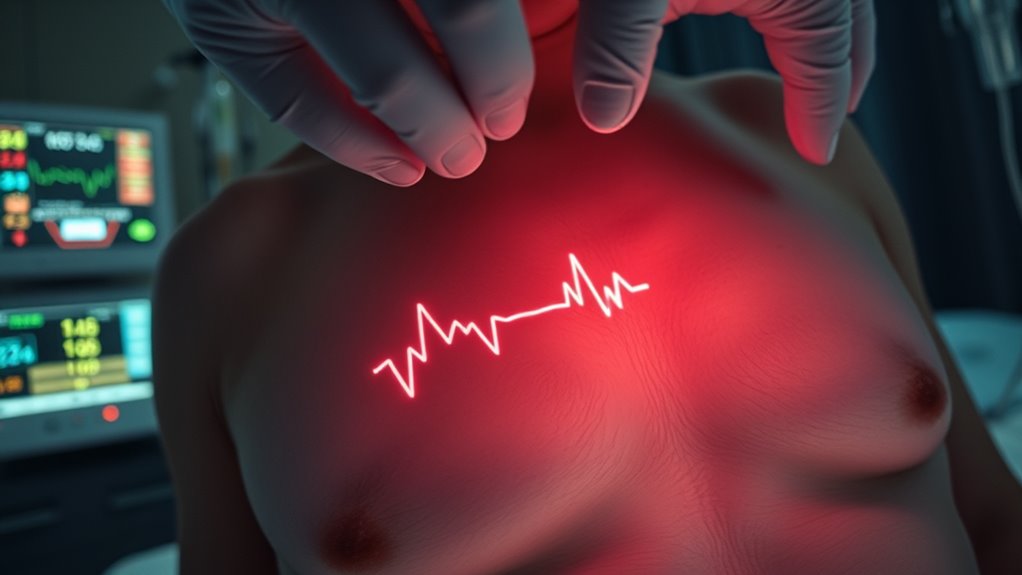
Rising heart rate can signal an imbalance in the body, and recognizing this early helps you seek appropriate assessment and care. When your heart rate increases above your typical baseline, you may experience rapid heartbeats that catch your attention. This response can result from a variety of triggers, ranging from benign to serious. Understanding how rapid heartbeats relate to metabolic stress helps you interpret symptoms more accurately and decide when to pursue evaluation.
Rising heart rate signals imbalance and prompts timely evaluation for metabolic stress.
Your body uses heart rate as a proxy for cardiovascular and metabolic workload. Increases can occur during exercise, excitement, caffeine intake, or dehydration, but they can also reflect underlying conditions that require medical attention. Metabolic stress arises when energy demand outpaces supply at the cellular level, prompting hormonal and autonomic adjustments. In such cases, the heart accelerates to deliver oxygen and nutrients to tissues more rapidly. If rapid heartbeats persist beyond a normal period of exertion, you should consider whether additional factors are present, such as fever, anemia, electrolyte disturbances, or thyroid dysfunction.
Assessing whether a rise in heart rate is concerning involves noting accompanying signs. Chest discomfort, fainting, shortness of breath, confusion, or chest heaviness with activity warrants urgent evaluation. Sudden, unexplained tachycardia at rest, especially in older adults or those with known cardiovascular disease, also merits prompt medical contact. You should monitor duration, intensity, and triggers of the rapid heartbeats to aid clinicians in distinguishing benign from potentially harmful etiologies.
In a clinical setting, clinicians look for patterns rather than isolated episodes. They evaluate resting heart rate, rhythm regularity, blood pressure, and symptoms that accompany the tachycardia. Diagnostic tests may include an electrocardiogram, blood tests for electrolyte balance and thyroid function, and, if indicated, imaging or rhythm monitoring. The goal is to identify whether metabolic stress or another cause is driving the increased rate and to determine the appropriate treatment strategy.
If evaluation reveals metabolic stress as a contributing factor, management focuses on addressing the root cause while supporting cardiovascular demand. Hydration, electrolyte correction, nutritional stabilization, and sleep optimization can reduce unnecessary stress on the heart. In some cases, limiting stimulants, managing fever, and treating underlying infections are essential steps. When pacing, rhythm disturbances, or sustained tachycardia are detected, targeted therapies—ranging from medications to, in rare situations, procedural interventions—may be required.
Throughout this process, you should maintain awareness of your baseline heart rate and how it adapts to daily activities. Keeping a simple diary of activities, symptoms, and any substances consumed can help you and your clinician determine if rapid heartbeats reflect normal variation or an abnormal pattern. By recognizing that rapid heartbeats can signal metabolic stress or another imbalance, you empower yourself to seek timely, appropriate care without delay.
Common Questions
What Causes Sudden Heart Rate Spikes During Sleep?
You may notice sudden heart rate spikes during sleep due to brief autonomic regulation shifts, often triggered by sleep disturbances. These surges reflect temporary sympathetic activation or vagal withdrawal, sometimes from dream arousal, obstructive events, or stress. If spikes recur, seek evaluation for underlying sleep disorders or arrhythmias. Regular sleep routines, stress management, and treating sleep disturbances can help stabilize your autonomic regulation and reduce nighttime heart rate fluctuations.
Can Medications Trigger Rapid Heart Rate Increases?
Yes, medications can trigger rapid heart rate increases. You may notice this as palpitations or a pounding feel. Some drugs affect heart rate regulation directly, while others interact with nerves or electrolytes, elevating sympathetic activity. Common culprits include stimulants, decongestants, certain antidepressants, and beta-agonists. If you experience sudden racing, consult your clinician promptly. Note medication sideeffects and review all prescriptions, including over-the-counter drugs, to ensure safe, coordinated heart rate regulation.
How Does Age Affect Heart Rate Response to Stress?
Age-related changes blunt your heart’s stress response. As you get older, your max heart rate declines and recovery slows, so age related differences shift how quickly your heart rate rises during stress. You may notice a more gradual upsurge and longer return to baseline. This doesn’t mean danger by itself, but it can affect how you tolerate intense activities. If you have symptoms, discuss with your clinician to assess cardiovascular risk and adapt your plan.
Is Dizziness Linked to Quick Heart Rate Rises?
Dizziness can be linked to a rapid heart rate, so yes, dizziness links with quick heart rate rises. In a hypothetical case, you feel lightheaded as your pulse spikes from 72 to 110 bpm after standing, signaling potential autonomic or cardiovascular stress. Rapid HR concerns arise when dizziness accompanies chest tightness, faintness, or confusion. If this happens, monitor symptoms, seek evaluation, and consider hydration, meds, or further testing to clarify the cause and rule out danger.
When Should I Seek Urgent Medical Help for Rapid HR?
You should seek urgent medical help if you have a rapid HR that lasts more than a few minutes, is accompanied by chest pain, severe dizziness, fainting, shortness of breath, confusion, or sweating. Seek urgent help immediately if you notice rapid HR signs with pale or blue-tinged lips, severe anxiety, or if you have known heart disease, pregnancy, or failure to improve with rest. Call emergency services when in doubt.