
To support better nighttime blood pressure, establish a consistent sleep schedule and a calming routine to reduce sympathetic activity and promote robust nocturnal dipping. Manage fluids by spacing intake and avoiding large amounts within two hours of bed, and follow a clinician-guided sodium and diet plan that emphasizes whole foods and potassium if tolerated. Maintain a cool, dark, quiet bedroom and limit heavy meals, alcohol, and vigorous exercise before bed. If snoring or suspected sleep apnea arises, seek evaluation to refine your approach.
Key Points
- Maintain regular sleep timing and a consistent bedtime routine to support nocturnal dipping and autonomic stability.
- Distribute fluids evenly during the day and avoid large intake within 2–3 hours of bed to reduce nighttime urination.
- Create a cool, quiet, dark sleep environment and avoid heavy meals, alcohol, or vigorous exercise near bedtime.
- Follow sodium guidelines and a whole-food diet with potassium-rich options to enhance nighttime blood pressure control.
- Engage in regular aerobic and resistance exercise, monitor sleep quality, and evaluate sleep-disordered breathing if snoring or awakenings occur.
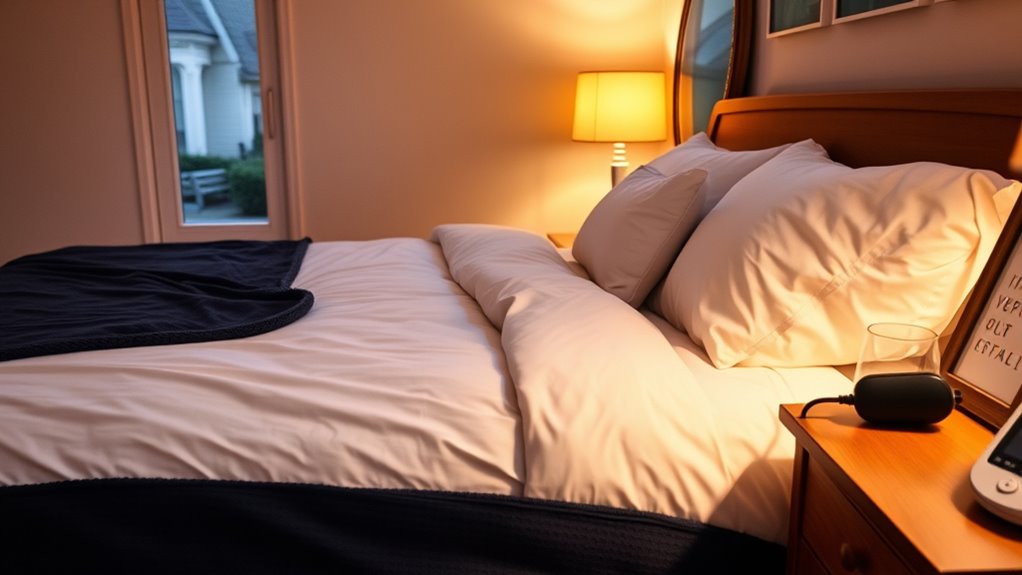
If you’re waking with high blood pressure at night or want to prevent nocturnal spikes, simple, evidence-based strategies can help you maintain safer levels during sleep. You’ll approach this with a clear, clinical mindset, recognizing that nocturnal blood pressure patterns reflect autonomic balance, endothelial function, and fluid regulation. A practical first step is to assess sleep timing and quality, because irregular sleep can amplify sympathetic activity and disrupt baroreflex sensitivity. You should aim for consistent bedtime and wake time, creating a stable circadian window that supports nocturnal dipping.
Late night hydration is a nuanced factor. Maintaining hydration helps maintain plasma volume and stroke volume consistency, yet excessive intake near bedtime can increase nocturnal urination and disrupt sleep architecture. Plan modest, evenly distributed fluids throughout the day, reserving larger totals earlier than two to three hours before bed. If you’re persisting in nocturnal dehydration or fatigue, consider a small, water-based beverage with electrolytes in the evening only if advised by your clinician, avoiding high-sodium or caffeine-containing drinks late in the day.
Late-night hydration supports plasma volume without caffeine or excess salts.
Bedtime routines matter for cardiovascular stability. A calm, structured routine reduces cortisol and sympathetic activation at sleep onset, supporting a healthier nocturnal profile. Implement wind-down activities that are nonstimulating, such as light stretching, breathing exercises, or a brief review of daytime stressors to reduce arousal. Keep the bedroom environment conducive to sleep: cool temperature, low noise, and limited light exposure. Avoid heavy meals, alcohol, and vigorous exercise within three hours of bedtime, since these can shift autonomic balance toward higher nighttime pressure values for several hours after completion.
Daily sodium intake influences nocturnal blood pressure control. Adhere to established dietary guidelines, focusing on whole foods, potassium-rich choices if tolerated, and limiting ultra-processed items. A modest, sustained reduction in sodium can improve overall blood pressure and may lessen nocturnal elevation when integrated with a healthy diet pattern. If you take antihypertensives, follow your clinician’s schedule; many medications are designed to provide 24-hour coverage that supports nighttime dipping.
Regular physical activity improves nighttime blood pressure by enhancing vascular function and reducing resting sympathetic tone. Schedule aerobic and resistance training several times weekly, but avoid intense workouts close to bedtime. Monitoring sleep quality with a simple diary can reveal patterns linked to blood pressure changes, such as awakenings, snoring, or restless legs. If snoring or sleep apnea is suspected, seek evaluation, since nocturnal hypoxia can blunt dipping and elevate readings.
Common Questions
Can Sleep Position Affect Blood Pressure Overnight?
Yes, your sleep position can influence nocturnal blood pressure. You may see modest changes based on posture, with some evidence suggesting lying on your back or left side can alter readings compared to sitting upright. Consistently elevated nocturnal blood pressure should be evaluated for underlying conditions. To monitor effects, track blood pressure in different sleep positions, noting any persistent patterns. If your readings remain high or you have symptoms, consult a clinician for a tailored plan.
Do Nighttime Medications Cause Morning Blood Pressure Spikes?
You might wonder if nighttime medications cause morning BP spikes, and the answer is: it depends. Nighttime dosing can lower morning BP spikes for some patients, but inappropriate timing or dosing can cause rebound effects. If you take meds, monitor morning readings and discuss timing with your clinician. Regular dosing consistency matters, and avoid skipping doses. Always review potential interactions and adjust as directed to maintain stable nighttime and morning BP profiles.
Is Air Quality Linked to Nocturnal BP Changes?
Yes, air quality is linked to nocturnal BP changes. Poor air quality can raise sympathetic activity and systemic inflammation, elevating nocturnal BP versus nights with cleaner air. You may experience higher bedtime readings or less pronounced dipping. To mitigate this, monitor local air quality, use HEPA filtration, and keep windows closed during high pollution hours. If nocturnal BP remains elevated, discuss exposure and potential adjustments with your clinician for personalized management.
Should I Avoid Exercise Before Bedtime for BP?
Avoiding exercise before bedtime isn’t strictly required, but it can help stabilize bedtime bp for many people. You should aim to finish vigorous activity at least 2–3 hours before sleep, and keep evening sessions light if needed. Consider lighter aerobic work or stretching if you’re near bedtime. Incorporate avoidance exercise strategically, monitor your response, and adjust timing to support your bedtime bp without sacrificing overall activity. When in doubt, consult your clinician for personalized guidance.
How Does Stress Impact Nighttime Blood Pressure Readings?
Stress impact can elevate nighttime readings, as sympathetic activation and hormones raise BP during sleep shifts. You may see higher overnight BP with acute stress, anxiety, or poor coping strategies. Sleep position matters: supine or side-lying can influence readings; aim for a neutral, comfortable posture. Track nighttime BP consistently, noting stress levels, to interpret trends accurately. If elevations persist, discuss with your clinician because sustained nocturnal hypertension warrants evaluation for secondary causes and tailored management.